What Are The Wind Speeds For Hurricane Categories
Have you ever looked at swirling satellite images of a hurricane barreling across the ocean and wondered, "Just how strong is that thing?" We often hear about hurricanes categorized from 1 to 5, but what do those numbers really mean? Understanding the scale behind the storm isn't just for meteorologists; it's fascinating knowledge that can help anyone, from artists seeking inspiration to anyone simply curious about the world around them.
So, why should you, an artist, hobbyist, or casual learner, care about the Saffir-Simpson Hurricane Wind Scale? Well, for starters, it provides a tangible way to visualize and conceptualize the immense power of nature. Think about it: understanding the wind speeds associated with each category can fuel creativity in various ways. Imagine painting a seascape where the ferocity of a Category 3 hurricane is captured in the turbulent waves and dramatic sky. Or crafting a story where the characters must survive the onslaught of a Category 5 monster.
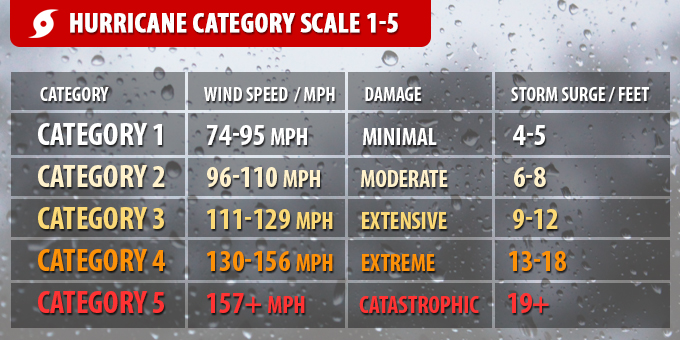
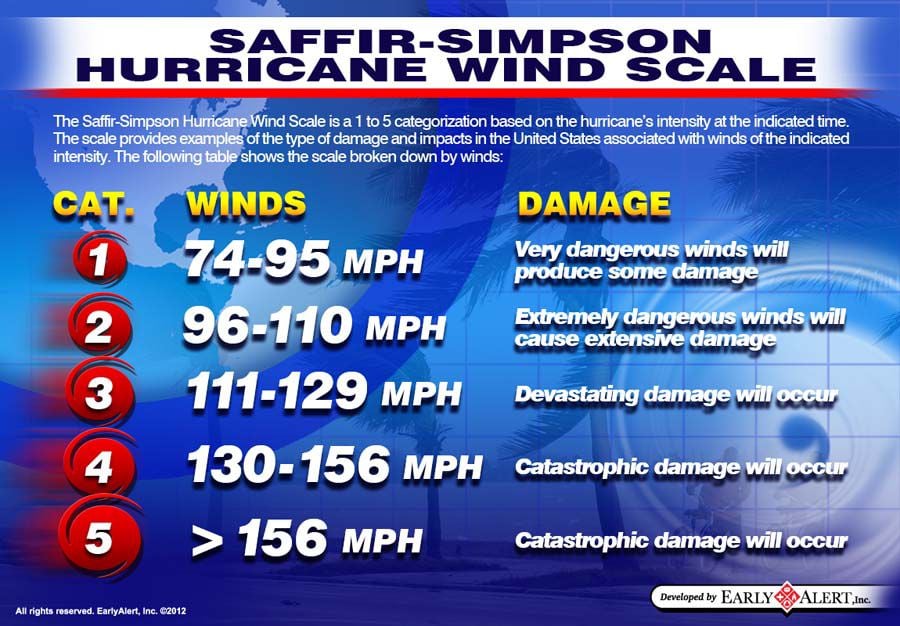
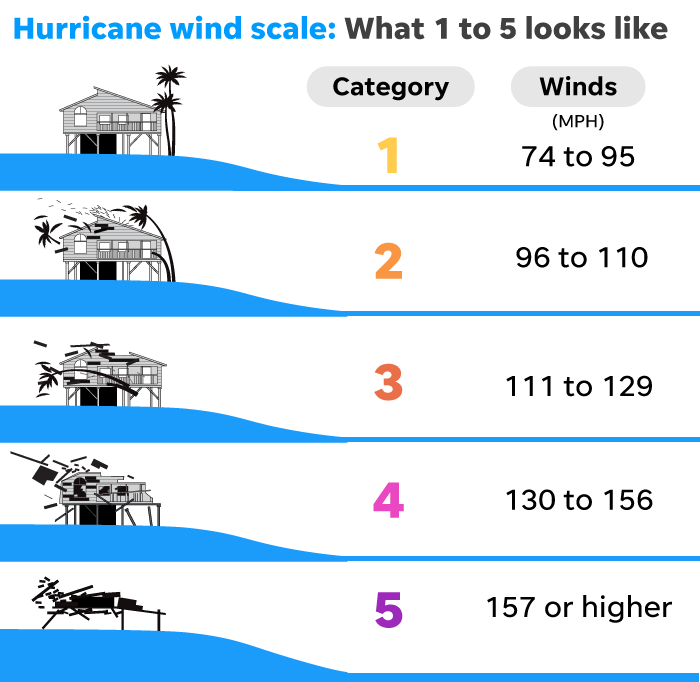
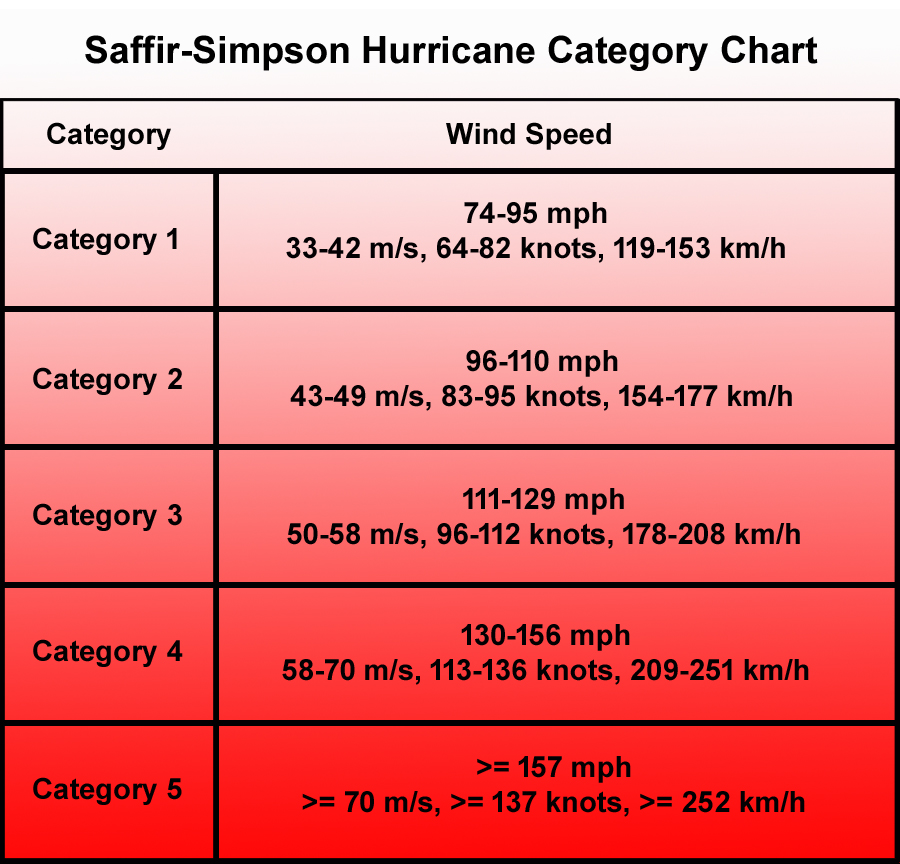
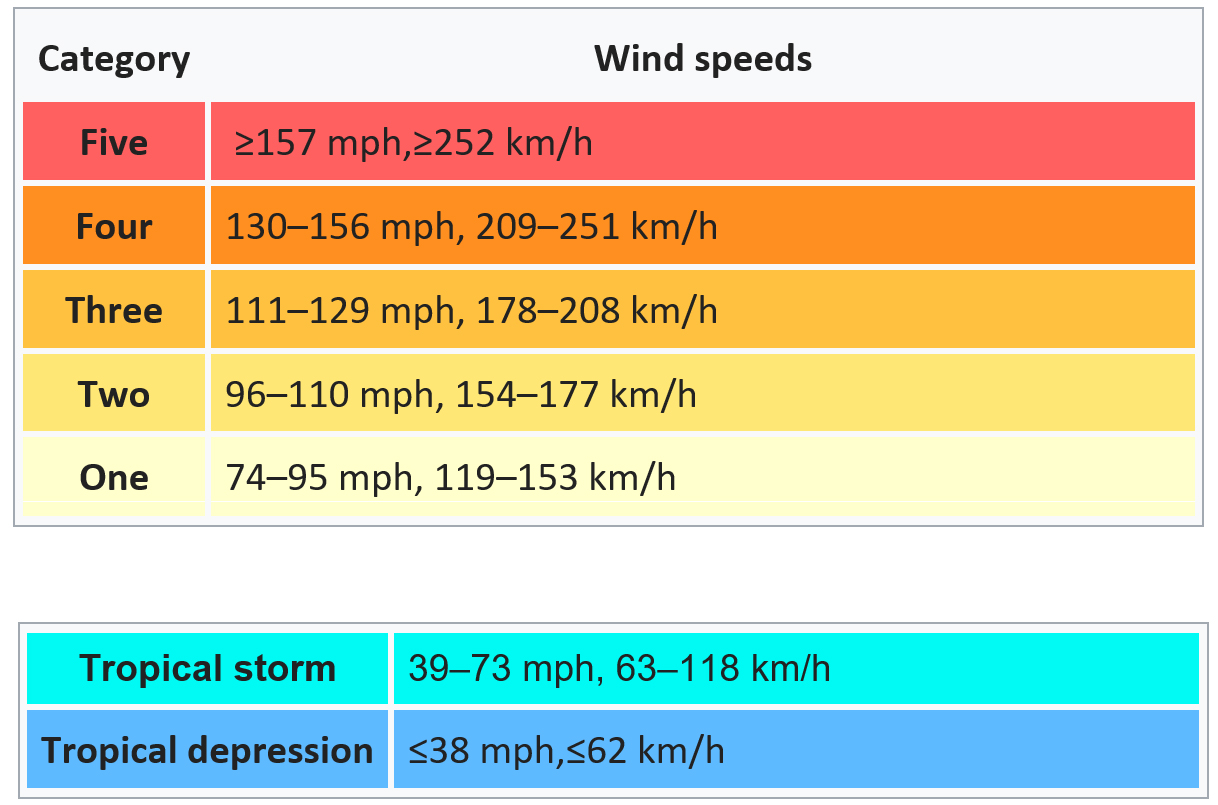
Here’s a simple breakdown of the wind speeds for each hurricane category:
Must Read
- Category 1: 74-95 mph (119-153 km/h) – Expect some damage, like broken branches and downed power lines.
- Category 2: 96-110 mph (154-177 km/h) – Expect major damage, including roof and siding damage.
- Category 3: 111-129 mph (178-208 km/h) – Expect devastating damage, with structural damage to small residences and flooding. This marks the start of a major hurricane.
- Category 4: 130-156 mph (209-251 km/h) – Expect catastrophic damage, with widespread power outages and uninhabitable homes.
- Category 5: 157 mph (252 km/h) or higher – Expect complete devastation. A Category 5 hurricane can level homes and cause widespread and long-lasting damage.
Examples of Creative Applications:
- Art: Consider a series of paintings, each depicting the same coastal scene under the influence of different hurricane categories. You could showcase the gradual escalation of destruction, from gentle waves in Category 1 to a chaotic, swirling vortex in Category 5.
- Writing: Develop a short story where the increasing wind speeds of a hurricane mirror the growing tension and desperation of the characters. Each chapter could correspond to a different category, with the plot intensifying accordingly.
- Music: Compose a piece of music that uses tempo, dynamics, and instrumentation to represent the escalating wind speeds and intensity of a hurricane. Imagine the quiet, eerie calm before the storm, building to a crescendo of crashing sounds and frantic rhythms.
Trying it at Home:
Research real-life hurricane events and focus on eyewitness accounts. How did people describe the feeling of the wind? What sounds did they hear? These details can add authenticity and emotional depth to your creative work. You can also experiment with different mediums. For example, if you're a photographer, try capturing images that evoke a sense of impending doom or resilience in the face of natural disaster. If you're a sculptor, create a piece that reflects the raw power and destructive force of a hurricane.
Ultimately, learning about hurricane categories isn't just about memorizing numbers. It's about understanding the science behind these powerful storms, appreciating the forces of nature, and finding new ways to express that understanding through art, storytelling, or simply a deeper appreciation of the world around us. It's an exploration that can spark creativity, fuel curiosity, and remind us of the incredible power and beauty of our planet.