What Are The Types Of Welding
Ever look around and wonder how all the metal bits of our world stick together? I’m talking about your car, that sturdy garden gate, the frame of your bicycle, or even a fancy sculpture in the park. It's not just super glue, folks! It's usually something much, much hotter and a whole lot stronger. We're talking about the fiery art of welding!
Now, before you picture some burly dude in a leather apron with sparks flying everywhere (though that's definitely part of it!), let's chat about why this matters to you. Welding is the silent superhero holding our modern world together. Without it, our bridges would wobble, our cars would be piles of parts, and that cool metal shelf you just bought? Forget about it! It's not just for pros; understanding a bit about welding can give you a new appreciation for the things you use every day, and hey, maybe even spark a new hobby!
So, what exactly is welding? Imagine you want two pieces of metal to become one, forever and ever. Welding is the process of using incredibly high heat to melt the edges of those metals, often adding a "filler" metal to create a molten pool that, once cooled, forms a super-strong, unified bond. Think of it like a really, really intense, fiery handshake between two pieces of metal, where they literally become inseparable best friends.
Must Read
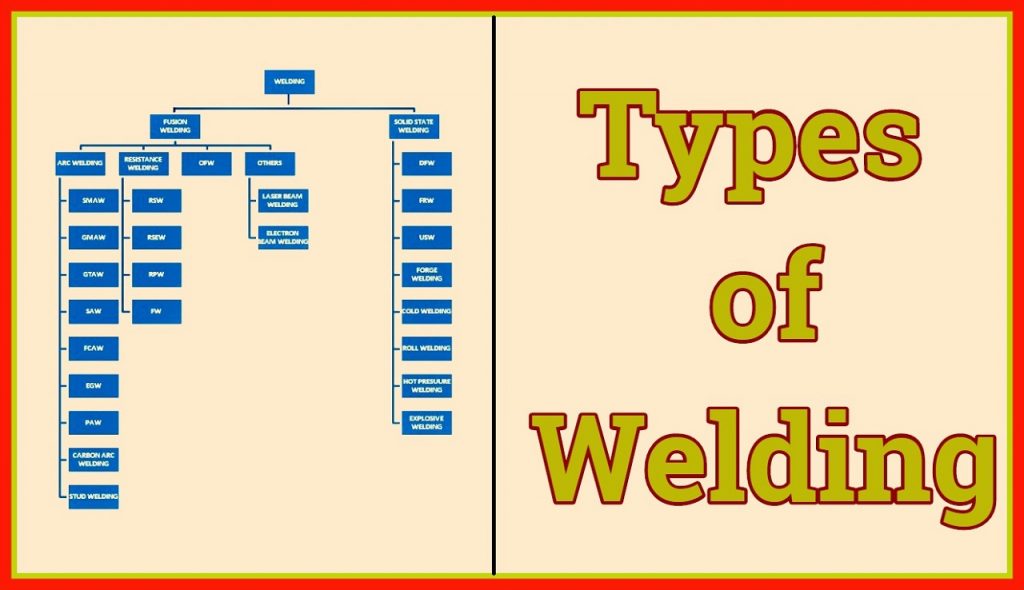
But here's the fun part: there isn't just one way to make metal magic happen. Just like there are different types of paintbrushes for different kinds of art, there are various welding processes, each with its own personality and superpowers. Let’s dive into a few of the most common ones!
Stick Welding: The Old Trusty Workhorse
Meet Stick Welding, often called SMAW (Shielded Metal Arc Welding) if you're feeling fancy. This is arguably the granddaddy of them all, and it's like the trusty old pickup truck of the welding world. It might not always be the prettiest, and it can be a bit messy, but gosh darn it, it gets the job done!
How it works: You use a metal stick (an electrode) coated in flux, which looks a bit like a chalky shell. When you strike an arc, the stick melts, creating both the filler metal and a protective gas cloud that shields the weld from contaminants. It’s wonderfully versatile for outdoor work, rusty or dirty metal, and thicker materials. Think construction sites, farm equipment repairs, or fixing that heavy-duty gate. If you need something rugged and forgiving, stick welding is your go-to. It’s tough, reliable, and has been holding the world together for ages.
MIG Welding: The Easy-Peasy Hot Glue Gun
Next up is MIG Welding, or GMAW (Gas Metal Arc Welding). If stick welding is the tough old truck, MIG is the speedy, user-friendly hot glue gun. It’s often considered the easiest to learn, making it a favorite for beginners and hobbyists, but also a superstar in industrial settings for its speed and efficiency.
How it works: Imagine a spool of wire that continuously feeds through a torch, like a sewing machine for metal. As the wire comes out, an electric arc melts it, and a separate stream of shielding gas protects the weld from the air. The result? Smooth, clean welds that are relatively quick to produce. MIG is fantastic for auto body repair, home projects, fabricating furniture, or production lines where speed and clean finishes are key. It’s fast, clean, and a real joy once you get the hang of it. You’ll be buzzing through projects like a pro in no time!
TIG Welding: The Precision Artist
Now, if you want to get really artistic and precise, say hello to TIG Welding, or GTAW (Gas Tungsten Arc Welding). This is the surgeon with a tiny, super-hot paintbrush, creating welds so beautiful they often look like stacked dimes. It's trickier to master, requiring a bit more coordination (think patting your head and rubbing your belly simultaneously, but with fire!), but the results are absolutely stunning.
How it works: Unlike MIG or Stick, the electrode here is made of non-consumable tungsten, meaning it doesn't melt into the weld. You create an arc, and then, with your other hand, you manually feed a separate filler rod into the molten puddle, all while shielding gas protects the process. It's like a delicate dance between heat, filler, and gas. TIG is the undisputed champion for thin metals, exotic alloys (like titanium, for fancy bike frames or aerospace parts!), and any job where aesthetics and extreme precision are paramount. Think custom motorcycles, intricate metal sculptures, or even repairing sensitive medical equipment. If you want a weld that’s both structurally sound and a work of art, TIG is your sophisticated friend.
![12 Types of Welding Processes & Their Uses [Full Guide] PDF](https://www.theengineerspost.com/wp-content/uploads/2018/05/Types-of-Welding.jpg)
Why Should You Care, Really?
So, why did we just take this little tour through the fiery world of welding? Because understanding these processes helps you appreciate the sheer ingenuity and skill that goes into creating the world around us. That sleek stainless steel countertop, the durable chassis of your car, or the intricate railings on a beautiful balcony – they’re all testaments to the magic of melting metal.
Plus, welding isn't just for heavy industry; it’s a fascinating hobby for many! Imagine being able to fix your own broken lawnmower deck, create your own unique metal art for the garden, or even fabricate custom pieces for your home. It’s empowering, creative, and incredibly satisfying.
So, the next time you see a metal object, give a little nod to the incredible world of welding and the skilled hands that made it all stick together. Who knows, maybe one day, you'll be the one making the sparks fly!