What Are The Types Of Non Renewable Resources
Ever wondered where the electricity that powers your phone comes from? Or how the car you drive gets its fuel? Chances are, a significant portion of the answer involves non-renewable resources. Learning about these resources is like uncovering the secrets behind our modern world, revealing the energy that shapes our lives every single day. It's a bit like being a detective, piecing together clues to understand how we power our society and the impact it has on our planet. And hey, knowing this stuff makes you a pretty informed citizen, ready to participate in discussions about energy and sustainability!
So, what exactly are non-renewable resources? Simply put, they're natural resources that exist in a finite amount. Think of them like a birthday cake. Once you've eaten it all, it's gone! These resources take millions of years to form, and we're using them up much faster than nature can replenish them. The purpose of understanding them is crucial because it helps us appreciate their value, encourages us to use them more efficiently, and motivates us to explore alternative, sustainable options.
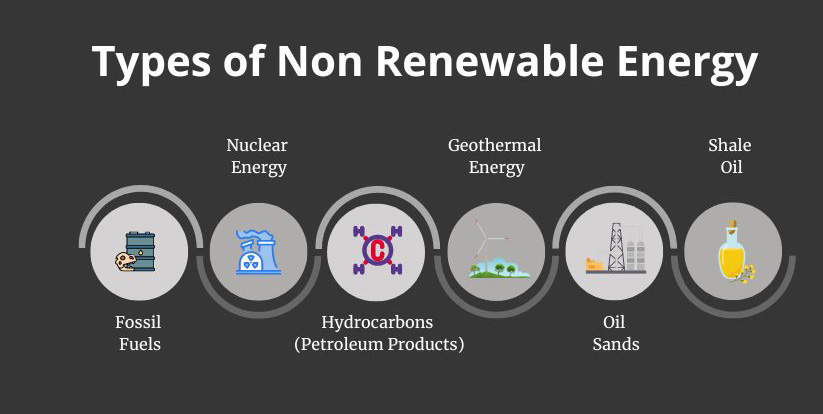
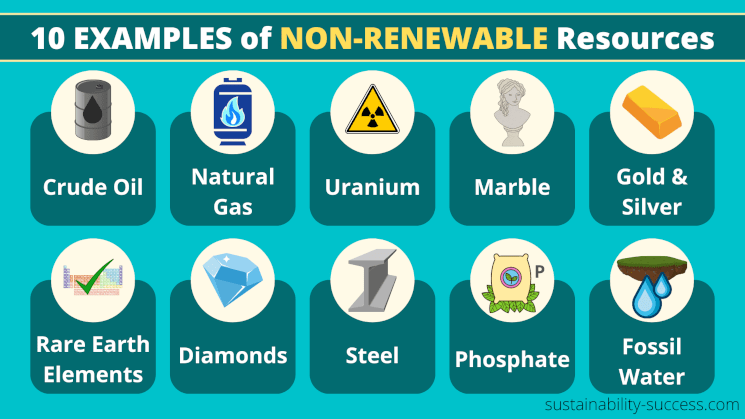
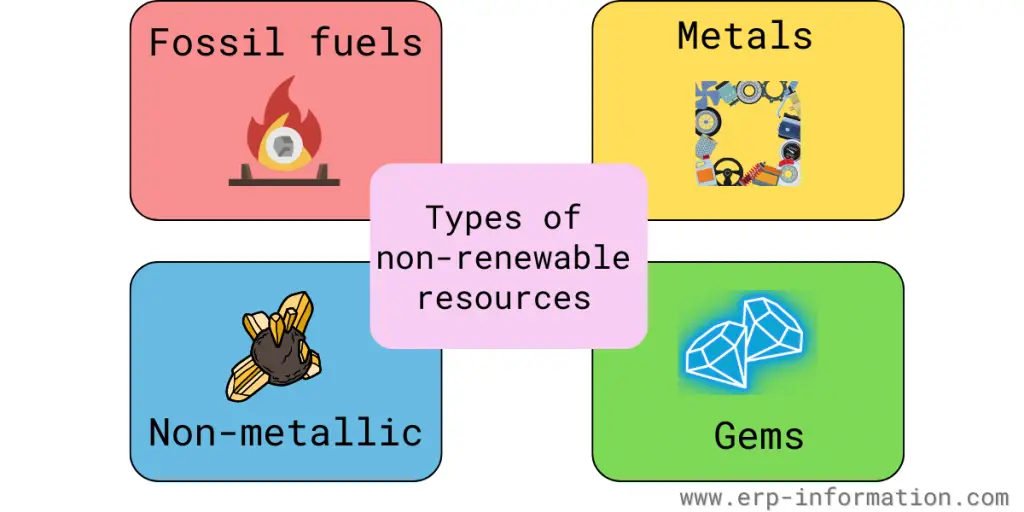
Let's dive into the main types. First up, we have fossil fuels. This is the big one! Fossil fuels include coal, oil (petroleum), and natural gas. These are formed from the remains of ancient plants and animals that have been subjected to intense heat and pressure over millions of years. We burn coal to generate electricity in power plants. Oil is refined into gasoline, diesel, and other fuels that power our vehicles and heat our homes. Natural gas is used for heating, cooking, and electricity generation.
Must Read
Next, we have nuclear fuels, primarily uranium. Uranium is a radioactive element that undergoes nuclear fission in nuclear power plants, releasing tremendous amounts of heat. This heat is used to produce steam, which then drives turbines to generate electricity. While nuclear energy doesn't produce greenhouse gases, it does create radioactive waste that needs to be carefully managed. Uranium, like fossil fuels, is also a finite resource, although newer reactor designs and breeding processes could potentially extend its availability.
You encounter non-renewable resources in your daily life constantly. Think about the plastic in your phone case (derived from oil), the gas you put in your car, or the electricity powering the lights in your school. In education, these resources are studied in science classes to understand energy production and environmental impacts. History classes might touch on the role of oil in shaping global politics. Even economics classes might explore the supply and demand of these resources.

Want to explore this topic further? A simple way is to check the energy bill at your home. See where your electricity comes from – is it primarily from coal, natural gas, or nuclear power? You can also research the different types of vehicles and their fuel sources. Consider the impact of your own energy consumption. Could you walk or bike instead of driving? Could you switch to energy-efficient light bulbs? Every little bit helps!
Understanding non-renewable resources is the first step towards making informed decisions about our energy future. It's a journey of discovery that can empower you to make a real difference in the world. So, keep asking questions, keep learning, and keep exploring!