What Are The Transition Elements On The Periodic Table
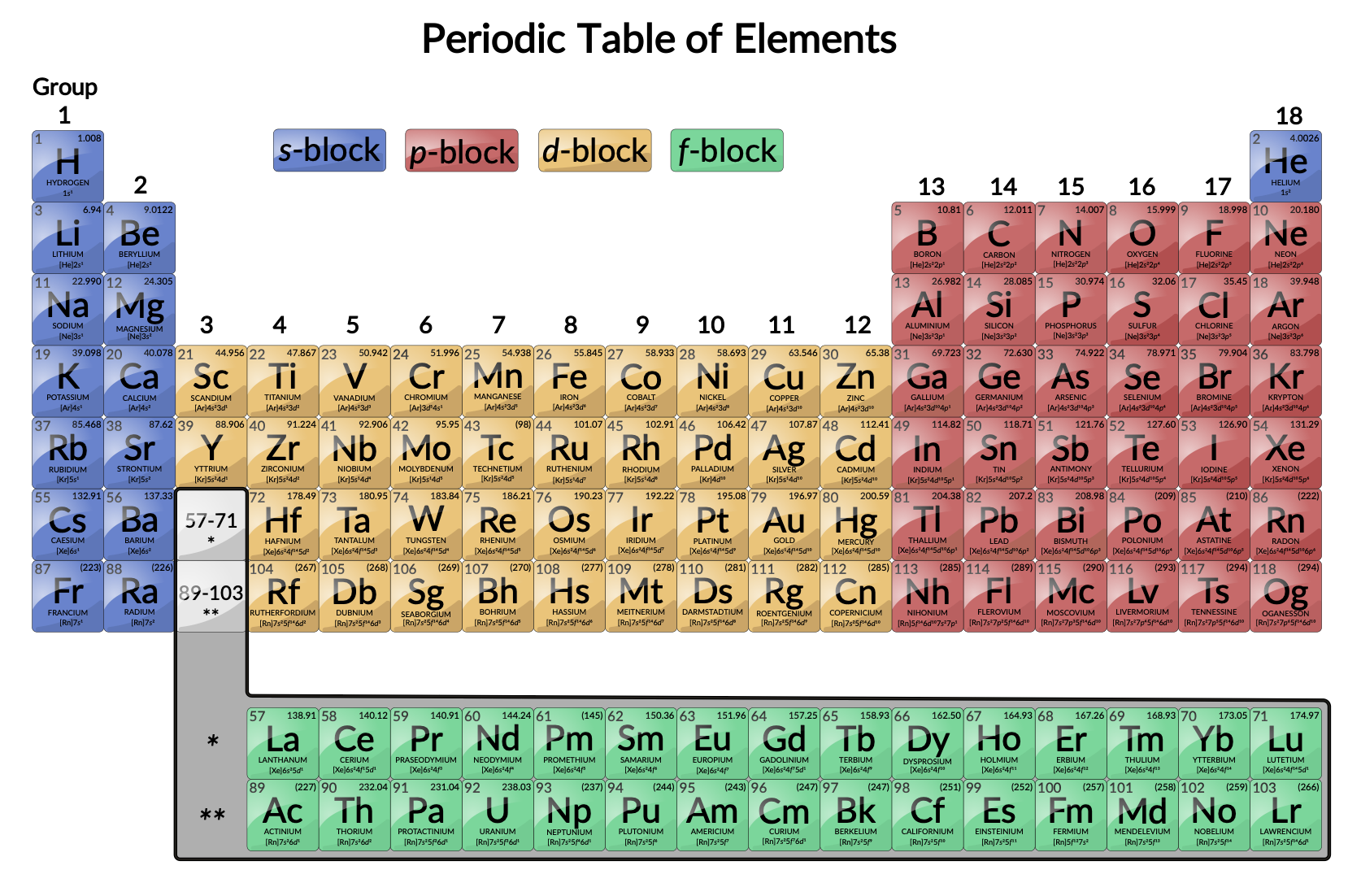
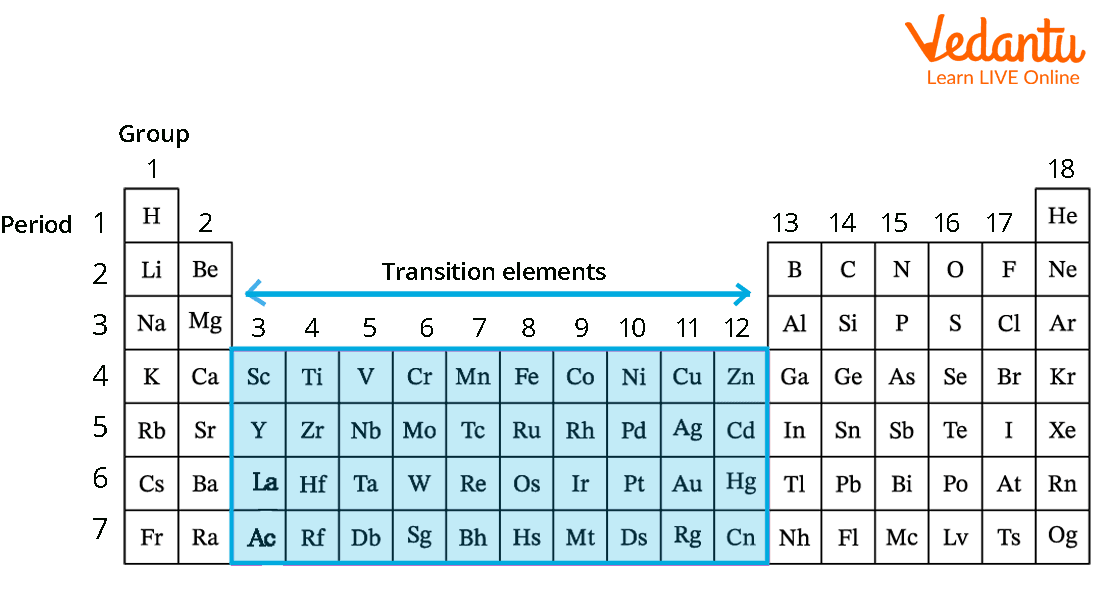
Ever looked at the periodic table and thought, "Wow, that's... a lot of squares"? You're not alone! And in the middle of all those squares, hogging a pretty significant chunk of real estate, you'll find the transition elements. They're like the cool, mysterious kids in the high school cafeteria of chemistry.
Not Just Another Brick in the Wall (of Elements)
So, what are these "transition elements," and why should you care? Well, forget the boring textbook definition for a moment. Think of them as the chameleons of the element world. They're adaptable, colorful, and can be found doing all sorts of interesting jobs. They're not as predictable as their neighbors (the alkali and alkaline earth metals, who are always eager to react), and that's precisely what makes them so darn useful.
Imagine a world without shiny jewelry, sturdy bridges, or vibrant pigments. Yikes! That's a world without transition elements. These guys are essential for so many things we take for granted. From the iron in our blood (keeping us alive!) to the gold in our wedding rings (symbolizing, hopefully, a long and happy life!), they’re all around us. You can almost hear them whispering, "We're kind of a big deal."
Must Read
One of the coolest things about transition elements is their tendency to form colorful compounds. Ever wondered why some gemstones are emerald green (thanks, chromium!) or sapphire blue (courtesy of titanium and iron)? That's the magic of these elements interacting with light. It’s like a built-in art class right there in the periodic table! Who needs watercolors when you have transition metals?
Meet the Crew: A Few Notable Characters
Let's introduce a few of the stars of the transition metal show:
- Iron (Fe): The workhorse of the bunch. It’s in steel, our blood, and pretty much everything that needs to be strong and reliable. You could say iron is the dependable friend you can always count on.
- Copper (Cu): Mr. Conductivity. It’s in our wires, our plumbing, and even our pennies (though not as much copper as there used to be!). Copper is the lifeblood of modern electronics, always buzzing with energy.
- Gold (Au): The glamorous one. Shiny, precious, and resistant to corrosion, gold is the ultimate symbol of wealth and status. Gold is the celebrity of the element world, always attracting attention.
- Titanium (Ti): The lightweight champion. Stronger than steel but much lighter, titanium is used in airplanes, spacecraft, and even artificial joints. Titanium is the athlete of the group, always pushing the limits.
And that's just a small sample! Each transition element has its own unique personality and set of talents. They're like a quirky, diverse family, each contributing something special to the world.
Why Are They So Special? (A Tiny Bit of Science)
Okay, okay, I promised not to get too technical, but a little explanation is necessary. The unique properties of transition elements stem from their electron configurations – the way their electrons are arranged around the nucleus. They have partially filled d orbitals, which allow them to form multiple bonds and exhibit a variety of oxidation states. This means they can react with other elements in many different ways, leading to a wide range of compounds with diverse properties. It's all about those electrons! Think of it as having a toolbox full of different-sized wrenches, allowing you to fix anything.

Transition Elements: The Unsung Heroes
“The transition elements are like the backbone of modern industry and technology, quietly supporting so much of what we rely on every day.” – Some Wise (and Probably Fictional) Chemist
So, next time you glance at the periodic table, don't just skip over that big block in the middle. Take a moment to appreciate the transition elements. They're not just another collection of atoms; they're the colorful, adaptable, and essential ingredients that make our world a more vibrant and functional place. They’re the unsung heroes of chemistry, working tirelessly behind the scenes to make our lives better, one element at a time. And who knows, maybe you'll even find yourself a new favorite element in the process. Happy exploring!