What Are The Three Elements Of The Fire Triangle
Ever wondered what fuels those mesmerizing dance sequences in movies, the captivating drama of a novel, or even the addictive quality of a catchy tune? The secret might lie in understanding the Fire Triangle, a concept that, while seemingly about literal flames, holds incredible power for artists, hobbyists, and anyone looking to add a spark to their creative endeavors. Think of it as a cheat code for crafting experiences that truly ignite!
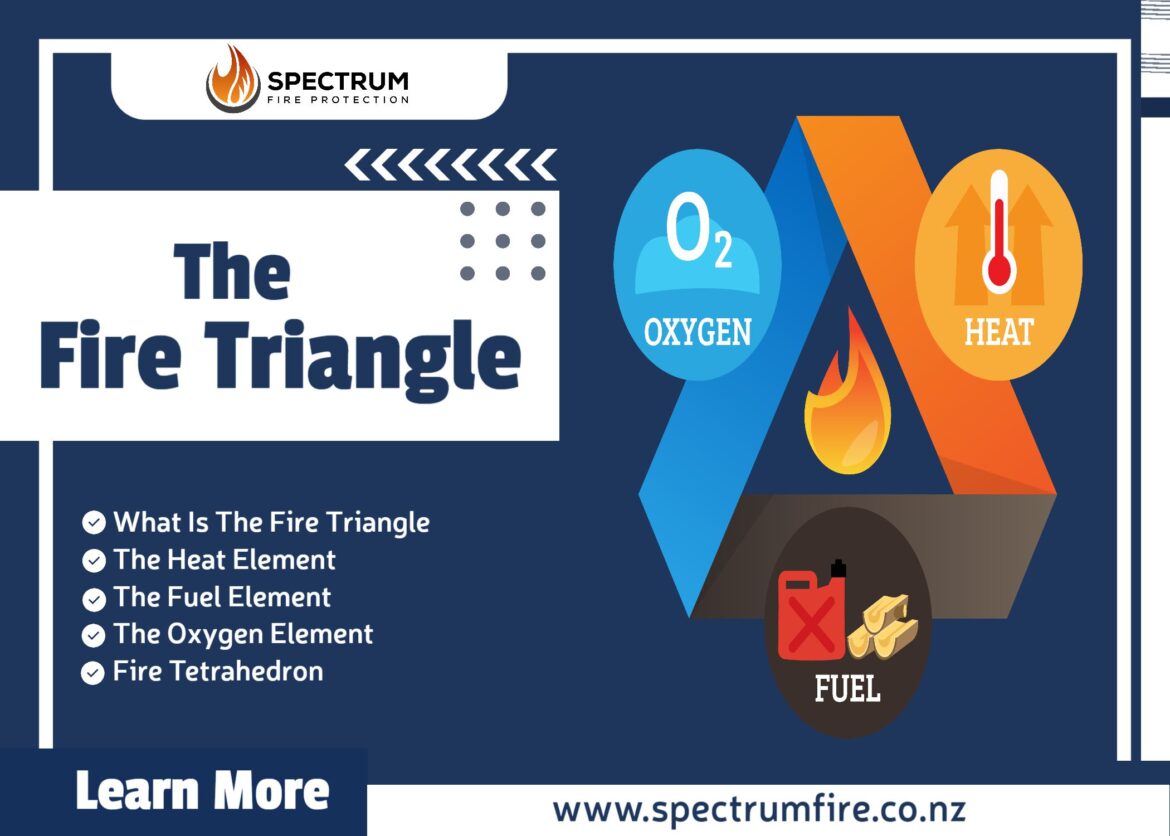
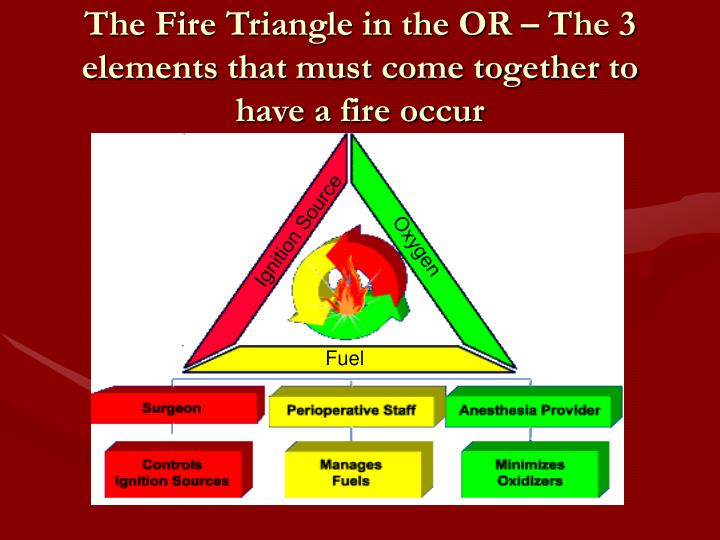
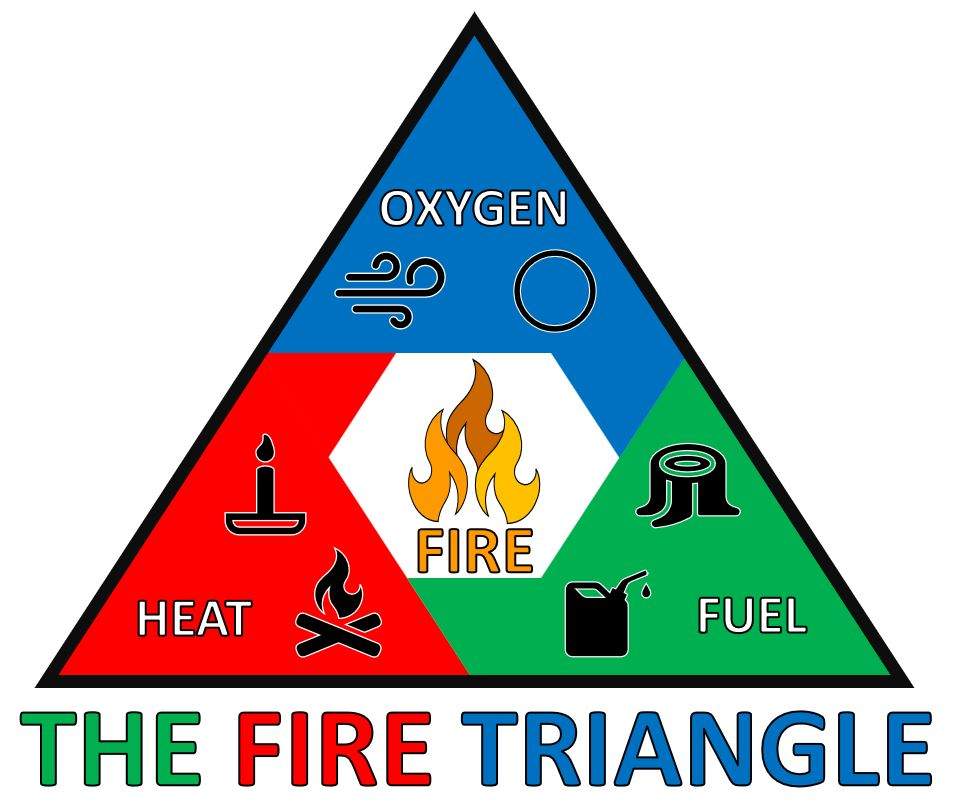
But what does a fire triangle have to do with art? Well, the actual fire triangle describes the three elements necessary for a fire to exist: fuel, heat, and an oxidizing agent (usually oxygen). When these three are present in the right proportions, you get fire. Similarly, in art, these elements translate to something much more interesting.
For artists, hobbyists, and casual learners, understanding this metaphorical Fire Triangle unlocks a new level of control and intention. By consciously manipulating these elements in your work, you can amplify its impact and connect with your audience on a deeper level. Imagine being able to consistently evoke specific emotions, drive home powerful messages, or simply make your creations more engaging. That's the power of the Fire Triangle in action!
Must Read
So, how does this translate into artistic practice? Let's break it down:
- Fuel: This represents the core subject matter, the central idea, or the raw emotion you're trying to convey. It's the thing that "burns" within your creation. Think of the burning desire for revenge in a thriller, the fiery passion of a love story, or the intense grief depicted in a mournful painting.
- Heat: This embodies the intensity and energy you infuse into your work. It's the stylistic choices, techniques, and delivery that amplify the "fuel." A painter might use vibrant colors and aggressive brushstrokes to convey anger. A musician might employ a driving rhythm and distorted guitars to create a sense of urgency.
- Oxidizing Agent: This represents the context and environment in which your "fire" exists. It's the background, the setting, the surrounding details that allow the "fuel" to properly ignite. This could be the societal norms that exacerbate a character's internal conflict in a play, or the historical context that gives a painting its deeper meaning.
Here are some examples: A punk rock song uses anger (fuel), amplified by aggressive music and shouting (heat), within a context of societal disillusionment (oxidizing agent). A minimalist sculpture uses simple shapes (fuel), brought to life by careful placement and lighting (heat), in a gallery setting (oxidizing agent). A poignant poem uses grief (fuel), expressed through evocative language and rhythm (heat), with the backdrop of loss and remembrance (oxidizing agent).
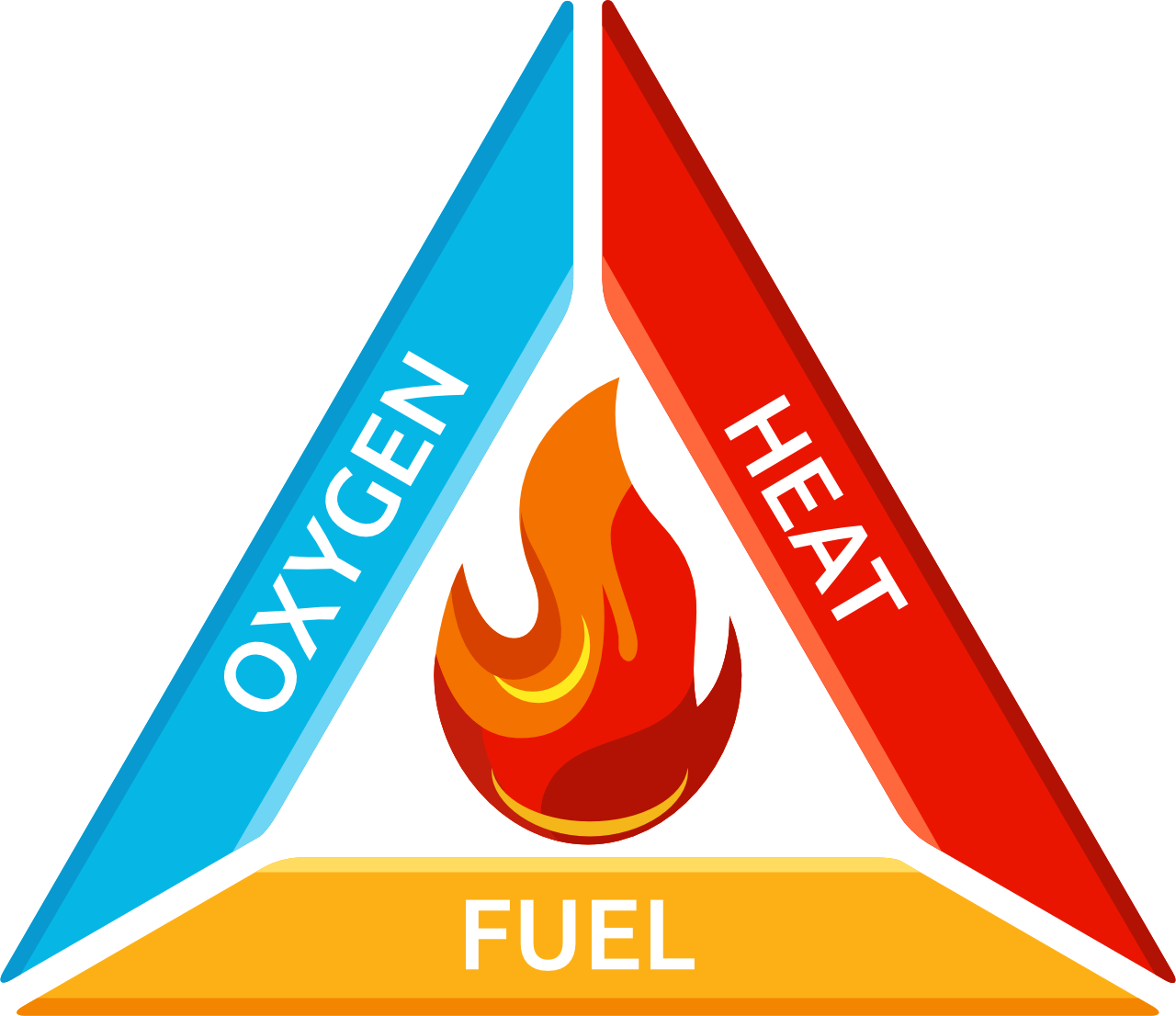
Want to try this at home? Start by identifying the core emotion you want to express in your next project (your fuel). Then, experiment with different techniques to amplify that emotion (adding heat). Finally, consider the surrounding context that will either enhance or challenge that emotion (the oxidizing agent). Don't be afraid to play around and see what sparks!
Ultimately, understanding the Fire Triangle isn't just about creating "better" art; it's about deepening your connection to your work and your audience. It's about finding that spark, that magic, that makes your creations truly unforgettable. And that, in itself, is incredibly enjoyable!