What Are The Three 3 Types Of Welding Machine
Ever watched someone weld and wondered how they melt metal together with such precision? Welding might seem like a complicated skill reserved for professionals, but understanding the basics of the machines they use is surprisingly accessible – and frankly, pretty cool! Knowing the three main types of welding machines opens a window into a world of engineering, fabrication, and even art. Think about it: everything from the cars we drive to the skyscrapers that define our cityscapes relies on the magic of welding. So, let's dive in and demystify these metal-mending marvels!
Essentially, a welding machine's purpose is to provide the electrical current needed to create an arc. This arc generates intense heat, melting the base metals so they fuse together, often with the addition of a filler material. Different welding machines achieve this in slightly different ways, offering varying advantages depending on the application. The benefits are immense: strong, permanent bonds between metal pieces, allowing for the creation of complex structures and repairs that would be impossible with other methods.
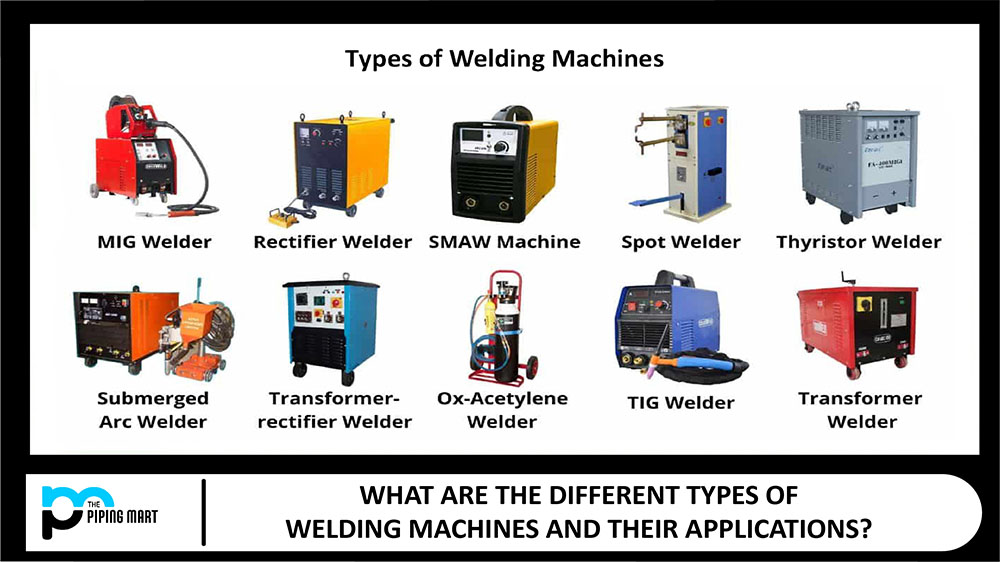
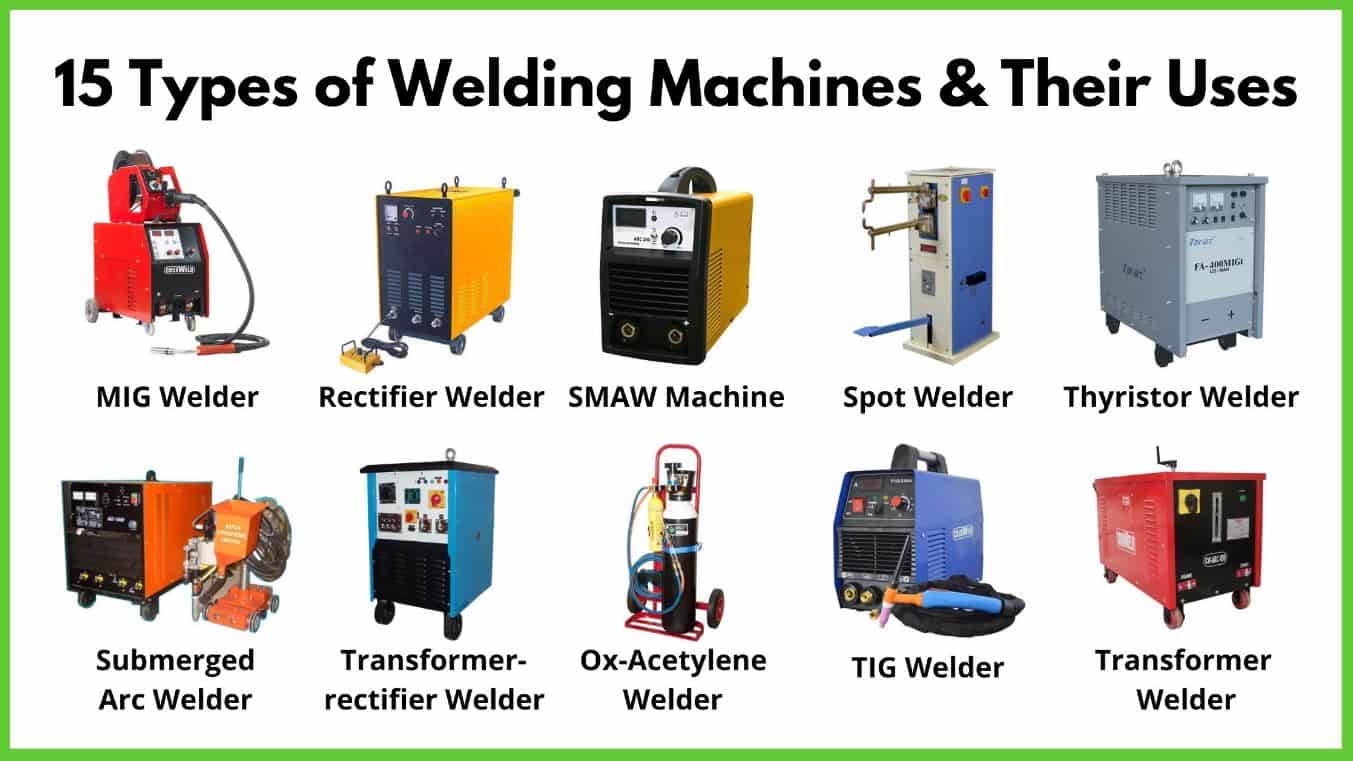
The first type is Stick Welding, officially known as Shielded Metal Arc Welding (SMAW). This is often the first type aspiring welders learn because it's relatively simple and versatile. It uses a consumable electrode (the "stick") coated in flux, which melts and creates a shielding gas to protect the weld from contamination. Stick welding is portable and inexpensive, making it ideal for outdoor repairs, farm equipment maintenance, and general-purpose fabrication. You might see stick welding used in vocational schools to teach students the fundamentals of welding.
Must Read
Next up is MIG Welding, or Gas Metal Arc Welding (GMAW). This process uses a continuously fed wire electrode and a shielding gas to protect the weld. MIG welding is faster and easier to learn than stick welding, and it produces cleaner welds. It's incredibly popular in automotive repair shops, manufacturing plants, and anywhere where speed and efficiency are crucial. Think about the exhaust systems on your car or the frames of metal furniture – there's a good chance MIG welding played a role in their creation.

Finally, we have TIG Welding, or Gas Tungsten Arc Welding (GTAW). TIG welding uses a non-consumable tungsten electrode to create the arc, and a separate filler rod is used to add metal to the weld. The shielding gas is usually argon. TIG welding is the most precise and versatile of the three, producing high-quality welds on a variety of metals, including aluminum and stainless steel. It's often used in aerospace, high-end automotive applications, and even artistic metalwork where aesthetics are paramount. You’ll find TIG welding in places like custom motorcycle shops or when constructing complex stainless-steel piping.
So, how can you explore this further? One easy way is to simply watch videos of different welding processes on YouTube. You can also visit a local welding supply store and chat with the staff – they're usually happy to answer questions and show you the equipment. If you're feeling more ambitious, community colleges often offer introductory welding courses. Even just understanding the basic principles behind these three types of welding machines will give you a new appreciation for the objects around you and the skilled tradespeople who build and maintain them. Who knows, you might even discover a new hobby!