
What Are The Pros And Cons Of Hydroelectricity

Ever wondered how some of our power comes from gushing water? That's hydroelectricity! It's like nature's way of giving us a high-five and some electricity at the same time. But is it all sunshine and rainbows? Let's dive into the world of hydroelectric power, exploring its awesome benefits and some not-so-awesome drawbacks.
The "Yay!" Side of Hydroelectricity
Okay, let's start with the good stuff. Hydroelectricity has some serious perks. First, it's a renewable energy source. That means we aren't using up finite resources like coal or oil. The water cycle keeps on chugging, so the energy source keeps on flowing (literally!). Think of it as a never-ending water park that powers our homes.
Next up: it's pretty clean! Compared to burning fossil fuels, hydroelectric power produces way less pollution. No smoky chimneys, no nasty greenhouse gases messing with the atmosphere. Hydro plants are cleaner, greener, and make the earth feel just a little bit happier.
Must Read
Want more good news? Hydroelectric dams can also help control floods. By holding back water during heavy rains, they can prevent devastating floods downstream. It's like having a giant water bodyguard protecting our towns and cities.
And the benefits don't stop there! Many dams create reservoirs, which are like giant human-made lakes. These reservoirs provide opportunities for recreation – boating, fishing, swimming, you name it! It's a win-win: power and playtime!
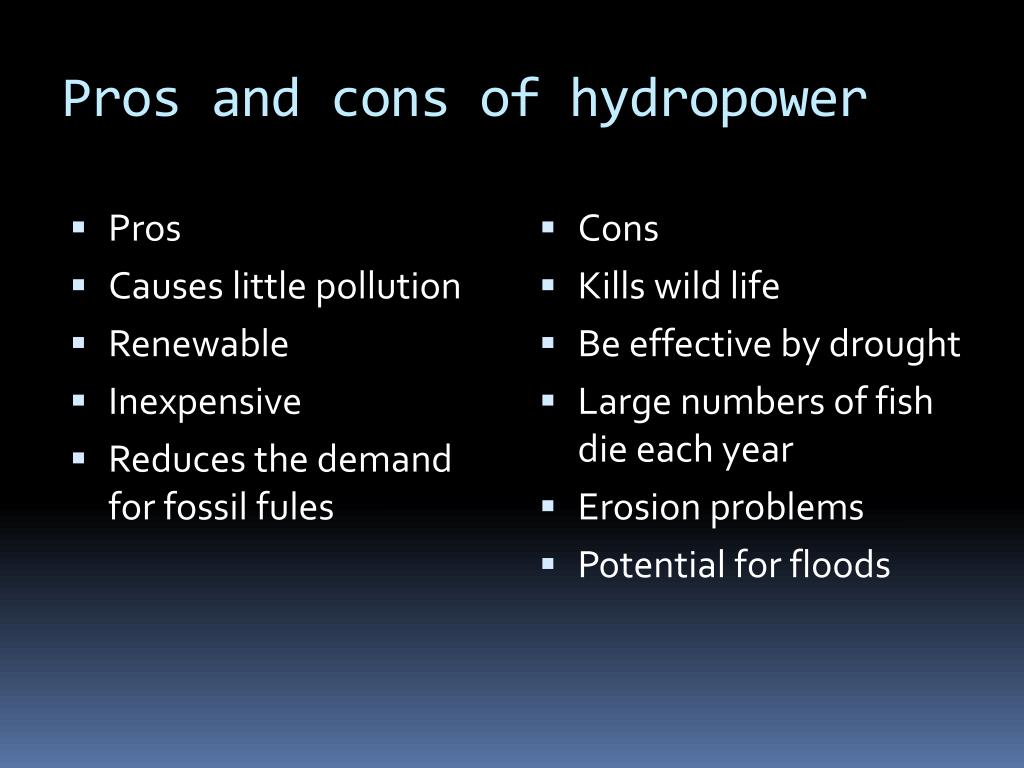
Finally, once a hydroelectric dam is built, the cost of electricity is relatively low. The water is free (thank you, Mother Nature!), so the ongoing expenses are much less than with fossil fuel plants. Think of it as a long-term investment that pays off in the form of cheaper electricity bills.
The "Uh Oh" Side of Hydroelectricity
Alright, alright, enough with the good news. Let's talk about the downsides. No energy source is perfect, and hydroelectricity has its share of challenges.
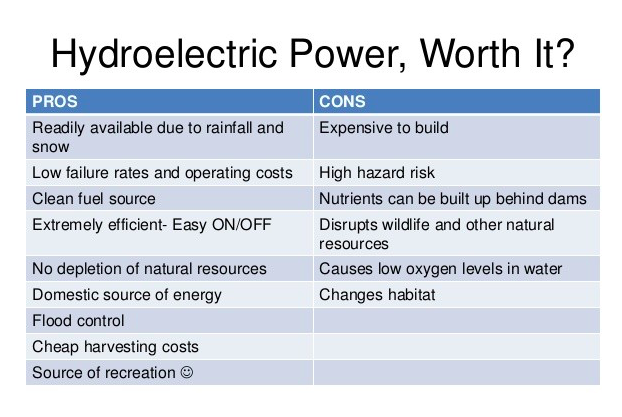
Building a hydroelectric dam is a huge undertaking. It's not like throwing up a solar panel on your roof. It requires massive construction projects that can be incredibly expensive. We're talking billions of dollars! Plus, the construction can take years, even decades. It's a long game.
And here's a biggie: dams can have a significant impact on the environment. They can disrupt the natural flow of rivers, affecting fish migration and other aquatic life. Imagine trying to swim upstream when there's a giant concrete wall in your way. Not fun!

Sometimes, entire communities have to be relocated to make way for reservoirs. People lose their homes, their land, and their way of life. It's a tough decision, and the social impact can be devastating. Remember the fictional town of Whoville? Imagine that on a real-world scale.
Changes in water flow can also affect the water quality downstream. Dams can alter the temperature, oxygen levels, and sediment flow, which can harm plants and animals that depend on the river. It's like changing the recipe for the river's ecosystem.
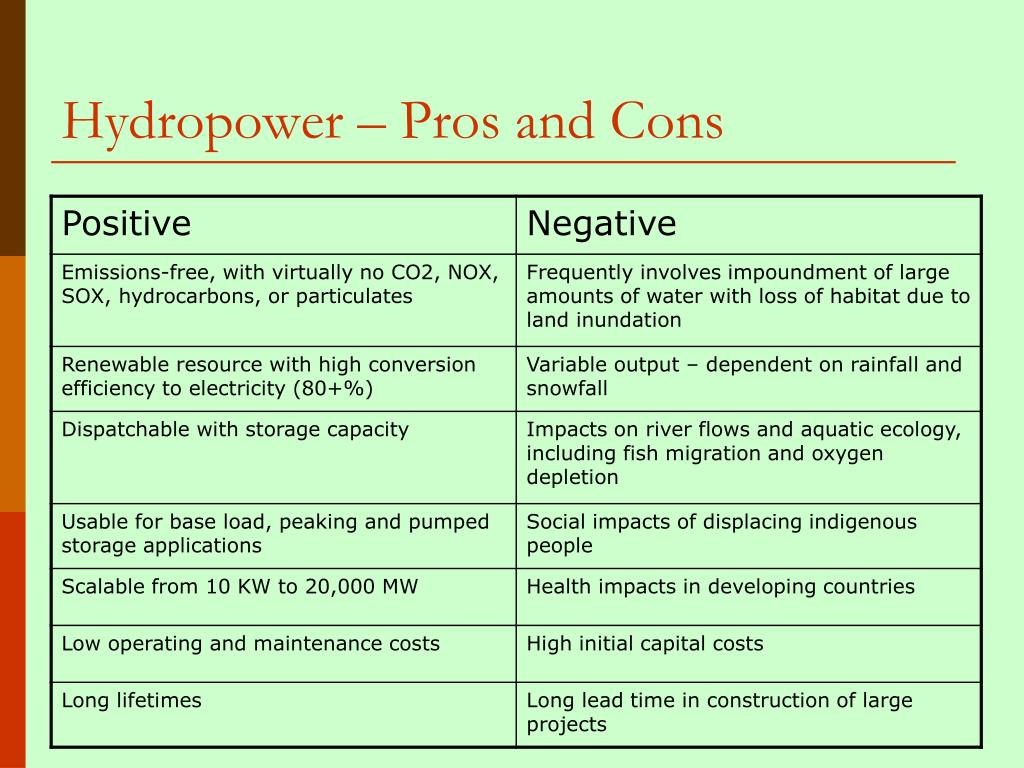
Another thing to consider: dams can fail. Although rare, dam failures can cause catastrophic floods, wiping out everything in their path. While engineers work hard to prevent this, it's a risk that's always present.
So, What's the Verdict?
Hydroelectricity is a fascinating energy source with both significant advantages and disadvantages. It's renewable and relatively clean, but it can also be expensive and environmentally disruptive. When considering hydroelectric power, it's crucial to weigh the pros and cons carefully and consider the specific context of each project. It's a balancing act, trying to find the best way to power our world while protecting the planet we call home. The legacy of hydroelectric power, spearheaded by innovators like Lester Allan Pelton with his invention of the Pelton wheel, continues to evolve, constantly balancing technological innovation with environmental responsibility.
Maybe one day, you'll even be part of the solution, helping to develop new and improved ways to harness the power of water!