
What Are The Peak Hours For Using Electricity
Ever wondered when your fridge throws the biggest energy party? Or when your entire neighborhood suddenly decides to become a synchronized swimming team, all using their electric kettles at once? Well, buckle up, because we're diving headfirst (but safely!) into the surprisingly dramatic world of peak electricity usage.
Think of the power grid as a giant, invisible water slide. Everyone wants a turn, but sometimes, everyone wants a turn at the same time. That’s when things get…peak-y.
The Usual Suspects: When the Power Grid Gets a Workout
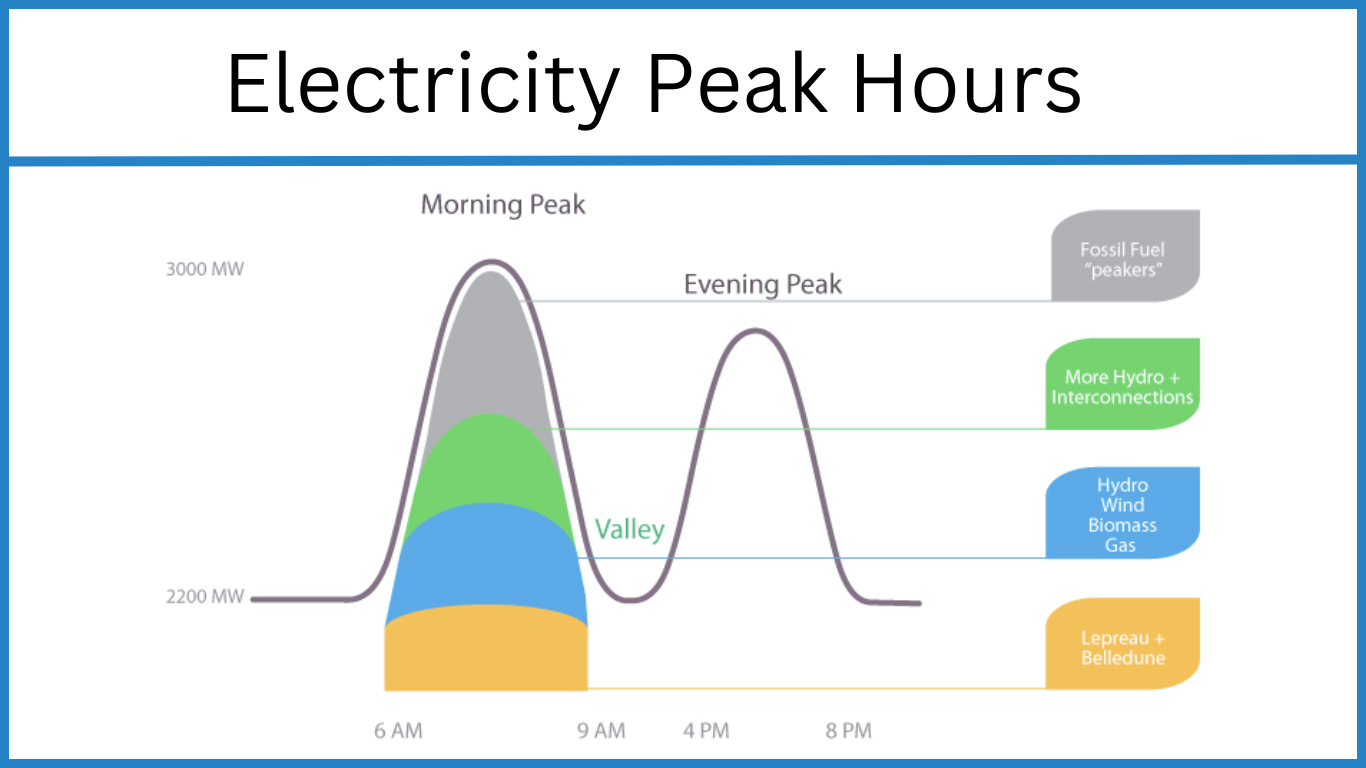
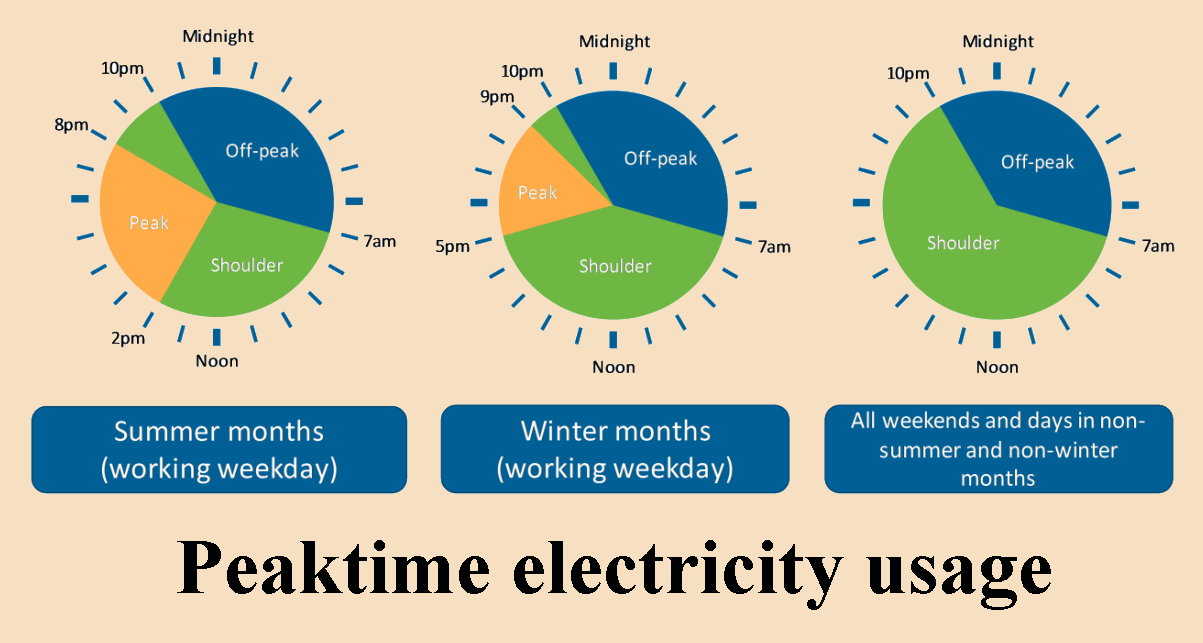
Generally, the peak electricity hours are during the day, usually between 4 PM and 9 PM. Why? It's a perfect storm of activity. People are home from work or school, cranking up the AC (especially in summer!), switching on the TV to catch their favorite show, and starting to prepare dinner. It's the electric equivalent of rush hour.
Must Read
But peak hours aren’t always predictable. Weather plays a huge role. A sudden heatwave sends everyone scrambling for their cooling devices, turning the power grid into a stressed-out yoga instructor trying to hold downward dog with a chimpanzee clinging to its back. On the other hand, a surprisingly chilly evening in spring can send heating systems into overdrive. The lesson? Mother Nature is a fickle DJ, and she decides when the party gets truly bumping.
Weekends are another interesting case. While you might think things would be calmer, it's often a different kind of peak. People are home, tackling those big projects – think power tools humming, washing machines spinning, and ovens baking enough cookies to single-handedly fuel a small marathon. It's the weekend warrior effect in full swing.
The Unexpected Drama of Toasters and Televisions
Sometimes, the little things are the biggest culprits. Consider the humble toaster. Individually, it's a harmless bread-browning device. But imagine millions of toasters firing up simultaneously for breakfast. That's a power surge worthy of a superhero movie! The same goes for TVs during popular sporting events. When the winning goal is scored, and millions of people cheer in unison, the collective button-pressing on remote controls to record the replay creates a noticeable blip on the electricity demand chart.
It’s strangely heartwarming to think of all these little acts of daily life, from microwaving leftovers to charging our phones, contributing to this grand, invisible dance of energy demand. We’re all connected, quite literally, through the power grid.
"Electricity is really just organized lightning." - George Carlin (kinda relevant, right?)

Becoming a Peak Hour Detective: A Few Tips
So, how can you become a savvy observer of peak electricity usage in your own life? Start by being mindful of when you’re using the most energy. Are you cranking up the AC the moment you walk in the door? Are you doing all your laundry on Saturday mornings? Simple adjustments can make a difference.
Consider running your dishwasher and washing machine during off-peak hours. It's like sneaking onto the water slide when everyone else is grabbing lunch – a smoother, less crowded experience (for the power grid, at least!).
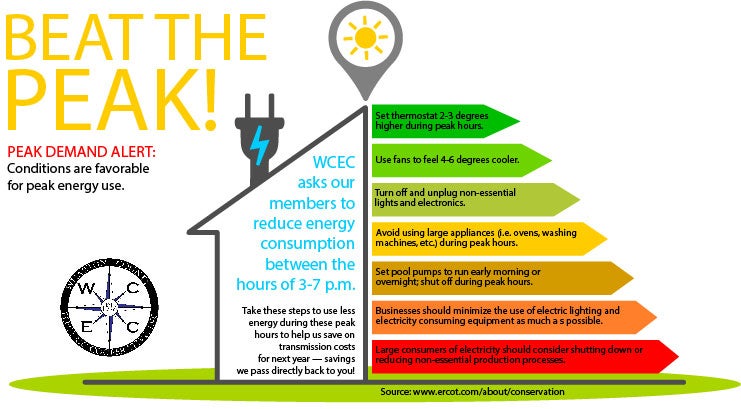
Programmable thermostats are also your friends. You can set them to automatically adjust the temperature when you're not home, saving energy and money without sacrificing comfort.
Switching to LED light bulbs is another easy win. They use significantly less energy than traditional incandescent bulbs, and they last longer too. It's like trading in your gas-guzzling monster truck for a fuel-efficient hybrid. You’ll be doing the planet (and your wallet!) a favor.
And finally, be aware of your utility company's pricing plans. Some offer time-of-use rates, which charge more for electricity during peak hours. By shifting your energy usage to off-peak times, you can save money and help reduce strain on the power grid.

The Takeaway: Small Changes, Big Impact
Understanding peak electricity hours isn’t about becoming an energy obsessive. It's about being a little more aware of our collective impact. By making small adjustments to our daily routines, we can all contribute to a more efficient and sustainable energy future. So, the next time you flip a switch, take a moment to think about the journey that electricity took to get there, and how you can be a part of the solution.
After all, even the smallest light bulb can help brighten the future.
And who knows, maybe if we all try a little harder, we can finally give that stressed-out yoga instructor a well-deserved break.