What Are The Peak Hours For Electricity Use
Okay, so picture this: you're at your favorite café, sipping on that suspiciously strong latte, and suddenly, the lights flicker. Not because of a ghost (though that would be way more interesting), but because everyone and their grandma decided to simultaneously crank up their AC and microwave popcorn at the exact same time. That, my friends, is peak electricity hour in action!
But seriously, what are these mysterious "peak hours" everyone keeps warning you about? And why should you care, besides the potential latte-induced blackout? Well, buckle up, buttercup, because we're diving headfirst into the electrifying (pun intended!) world of electricity demand.
The Tale of Two Time Zones: When the Grid Gets Grumpy
Think of the power grid like a giant, invisible, electrically-charged ant farm. It's constantly buzzing with energy, trying to keep everyone happy. But like any ant farm (or human, for that matter), it has its breaking point. That's where peak hours come in. They're basically the grid's version of rush hour, except instead of cars, it's electrons fighting for space.
Must Read
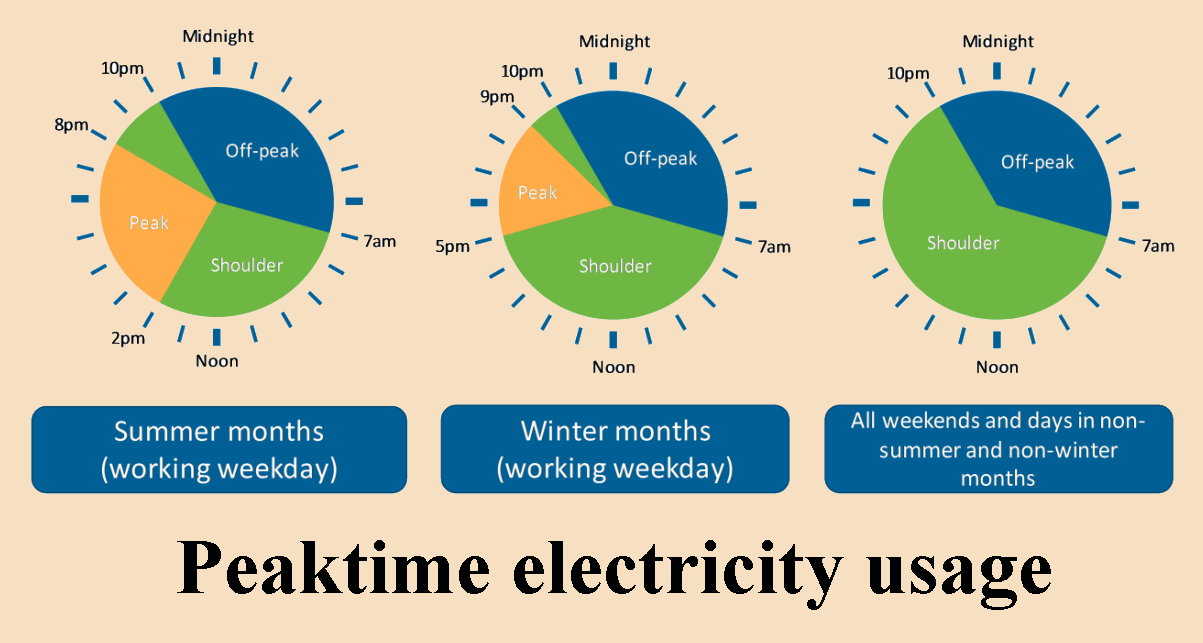
Generally speaking, peak hours happen when most people are awake and doing stuff that requires electricity. No surprise there, right? But the specific times can vary depending on a bunch of factors, like where you live and the season.
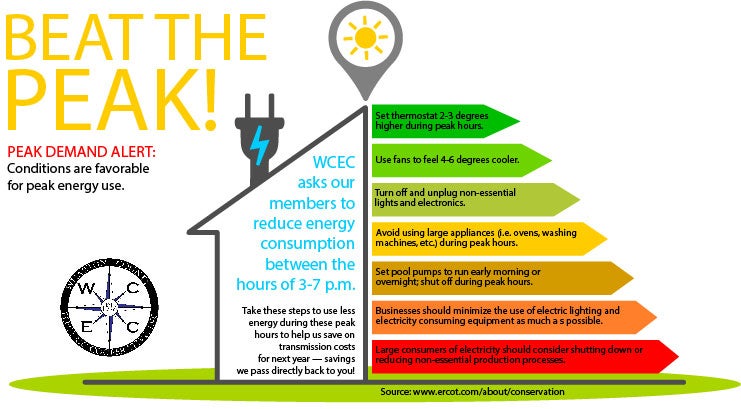
In most places, you're looking at late afternoon to early evening, typically between 4 PM and 9 PM. Why? Because that's when everyone gets home from work or school, flips on the TV, fires up the oven for dinner, and blasts the AC to combat the day's residual heat. It's the electric equivalent of a teenage zombie apocalypse – a horde of appliances demanding power!

However, summer is the true peak hour champion. Think about it: everyone’s trying to keep cool! That means air conditioners are working overtime, sucking up more juice than a vampire at a blood bank. So, expect those summer peak hours to be particularly… peaky.
Why Should You Bother Knowing This? (Besides Avoiding the Coffee Shop Flicker)
Okay, so you're probably thinking, "Yeah, yeah, electricity is busy. So what? I'm gonna watch my reality TV binge no matter what!" And that's totally your prerogative. But here's the thing: using less electricity during peak hours can actually save you money and help the planet. Double win!
Many electricity companies charge higher rates during peak hours. It's called "time-of-use" pricing, and it's basically the utility company's way of saying, "Hey, we know you're using a ton of power right now, so we're gonna charge you extra for it." Think of it as a surge-pricing model for your toaster.
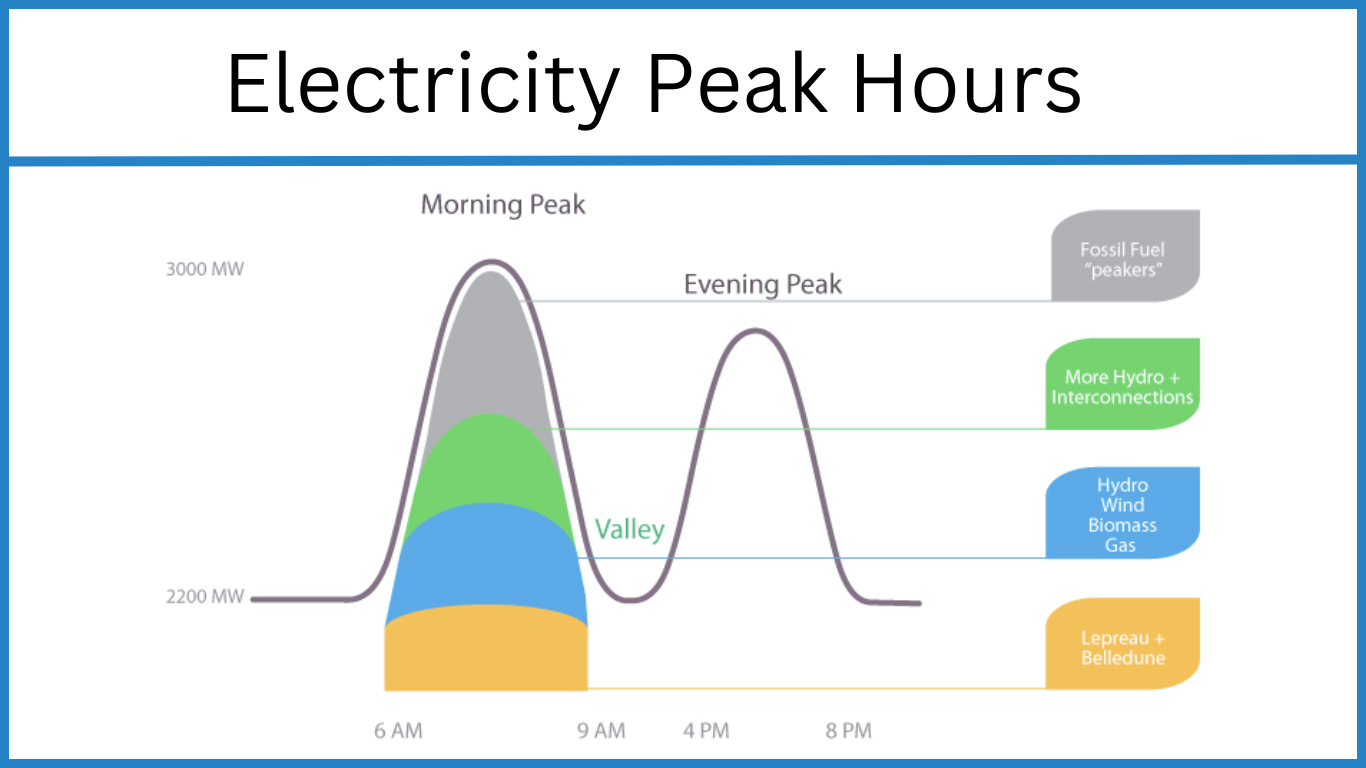
By shifting your energy-intensive activities to off-peak hours (like early mornings or late at night), you can drastically reduce your electricity bill. Imagine doing laundry at 2 AM. Your neighbors might give you weird looks, but your wallet will thank you. (Maybe offer them some freshly laundered towels to smooth things over?).
Plus, reducing demand during peak hours helps the power grid stay stable. Less strain on the grid means fewer brownouts and blackouts, and it also reduces the need for those old, inefficient power plants to kick into overdrive (which are often the dirtiest ones). You're basically helping save the world, one slightly-later laundry load at a time.

Easy Ways to Dodge the Peak Hour Blues
So, how do you actually avoid contributing to the peak hour pandemonium? Here are a few ridiculously simple strategies:
- Embrace the darkness (sort of): Turn off lights when you leave a room. Duh, right? But you'd be surprised how many people leave every light blazing like they're preparing for a theatrical production of "Electricity!"
- Become a nocturnal dishwasher: Run your dishwasher and washing machine at night or early in the morning. Your dishes and clothes won't know the difference, and neither will your electric bill (except it'll be lower!).
- Channel your inner caveman (or cavewoman): Avoid using the oven during peak hours. Opt for grilling, salads, or takeout. Embrace the simple life!
- Get smart with your appliances: Use a programmable thermostat to adjust your AC and heating automatically. Set it to turn up the temperature when you're away from home and lower it when you're asleep.
- Consider solar power: Okay, this one's a bit more involved, but if you're serious about reducing your reliance on the grid, solar panels are the way to go. Plus, you can brag to all your friends about how you're powered by the sun.
In conclusion, understanding peak electricity hours is like having a secret weapon in the battle against high energy bills and environmental degradation. By making a few small changes to your routine, you can not only save money but also help keep the lights on for everyone (literally). So go forth, armed with this knowledge, and become a peak hour dodging ninja! Your wallet and the planet will thank you.
Just remember to avoid microwaving popcorn during those crucial 4 PM to 9 PM hours. Unless, of course, you enjoy the thrill of potential darkness with your movie night!