What Are The Non Renewable Energy Resources
Ever wonder where the energy that powers our homes, cars, and even our phones comes from? It's a big question, and the answer involves a mix of sources, some of which are like limited-edition collectibles! We're talking about non-renewable energy resources. Understanding these resources is not only important for knowing where our power comes from, but also for understanding the impact we have on our planet. So, let's dive in and explore these fascinating, albeit finite, energy sources!
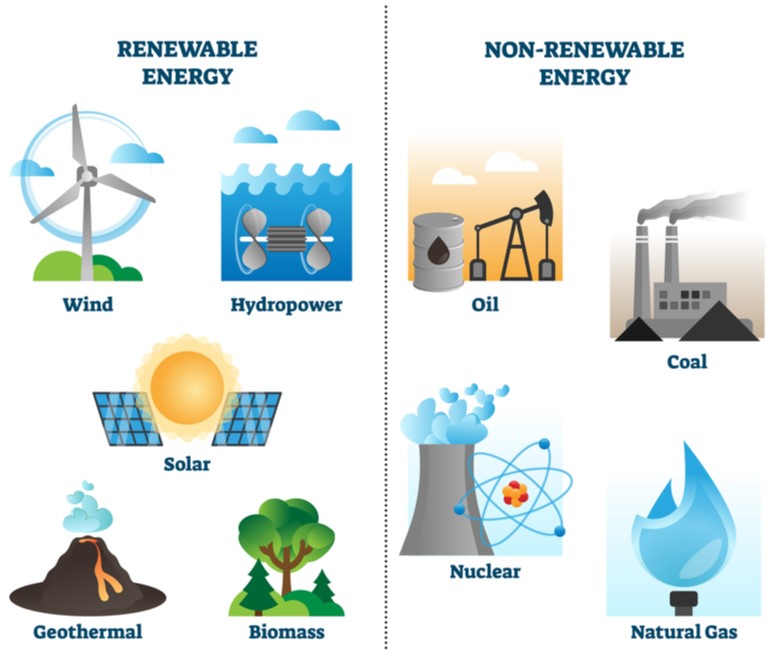
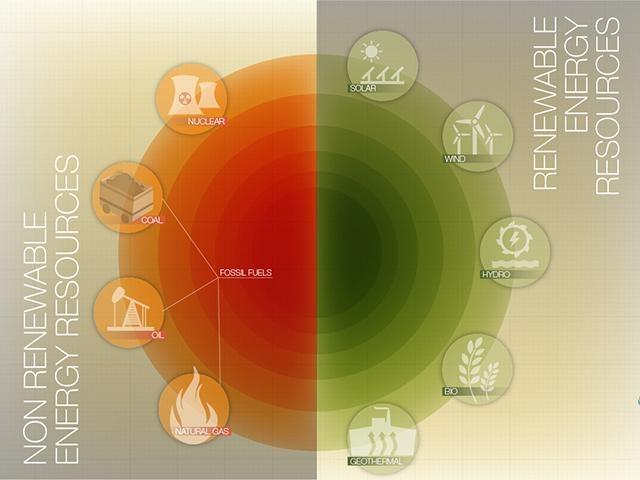
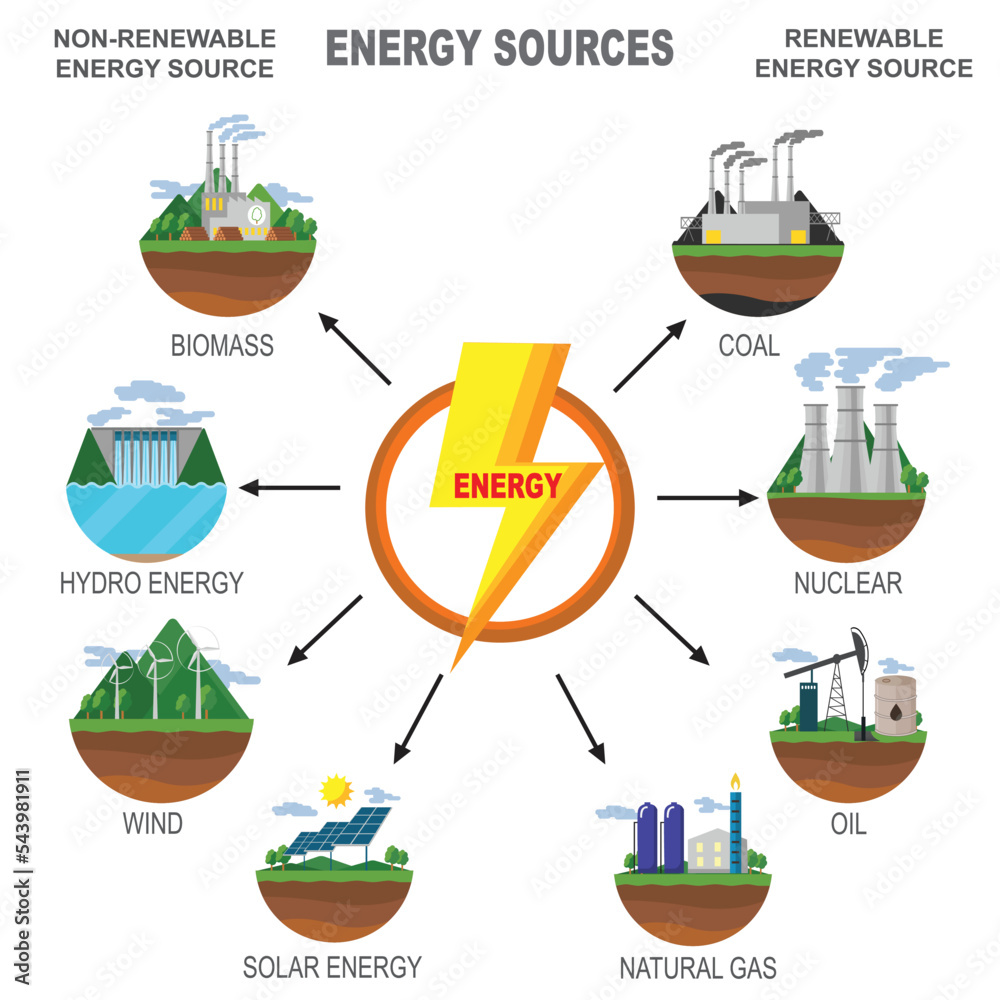
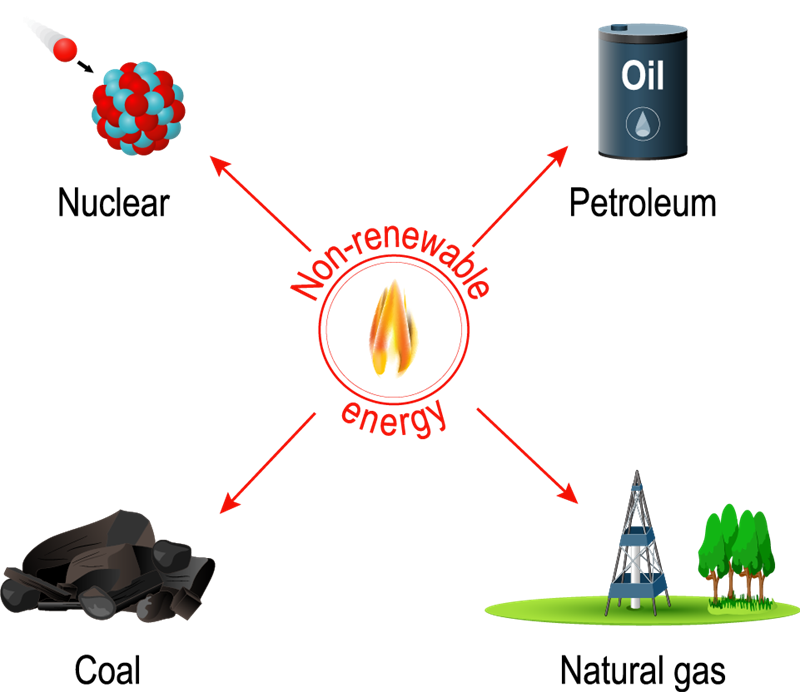
Essentially, non-renewable energy resources are those that exist in limited quantities. Once we use them up, they're gone – poof! Think of it like your favorite chocolate bar. You can savor it, but once you eat it all, it's finished. These resources took millions of years to form, and we're using them up much faster than they can be replenished. The major players in this category are fossil fuels: coal, oil (petroleum), and natural gas, as well as nuclear energy.
Coal, a black sedimentary rock, is primarily used for electricity generation. It's burned in power plants to create steam, which spins turbines connected to generators. While coal is abundant, it's also the dirtiest of the fossil fuels, releasing significant amounts of greenhouse gases and pollutants into the atmosphere. Think smoggy skies and a warming planet.
Must Read
Oil (Petroleum) is a thick, black liquid that's refined into gasoline, diesel, and other fuels used to power vehicles, heat homes, and produce plastics. It’s incredibly versatile and has fueled much of our modern world. However, drilling for oil and transporting it can lead to environmental disasters, like oil spills, and burning it releases harmful emissions.
Natural Gas is primarily methane, a relatively cleaner-burning fossil fuel than coal or oil. It's used for heating, electricity generation, and even as a fuel for vehicles. While it produces fewer emissions than coal, it's still a fossil fuel and contributes to climate change. Plus, the process of extracting natural gas, particularly fracking, can have negative impacts on local environments.

Nuclear Energy is a bit different. It doesn't involve burning fossil fuels. Instead, it relies on nuclear fission, the splitting of uranium atoms, to generate heat and produce electricity. Nuclear power plants don't release greenhouse gases during operation, making them a low-carbon energy source. However, nuclear waste is radioactive and must be safely stored for thousands of years. Also, the risk of accidents, although rare, is a serious concern.
So, what's the benefit of using these non-renewable resources? For a long time, they were readily available and relatively inexpensive, making them the backbone of our energy systems. They allowed for rapid industrialization and economic growth. However, the environmental costs associated with their use are now undeniable. That's why there's a growing push towards renewable energy sources like solar, wind, and hydro power. Understanding the pros and cons of non-renewable energy helps us make informed decisions about our energy future and how we can transition to a more sustainable world. Think of it as choosing between that quickly-gone chocolate bar and planting a tree that will bear fruit for years to come!