What Are The Major Sources Of Water Pollution

Ah, water. That cool, refreshing glass on a hot day. The invigorating shower that wakes you up in the morning. The playful splashes at the beach. We all love water, and we rely on it in countless ways. It's the lifeblood of our planet, and it's easy to take it for granted. But what happens when this precious resource becomes polluted?
Water is absolutely essential for everyday life. Think about it: from cooking and cleaning to agriculture and industry, water is used in just about everything. It keeps us hydrated, allows us to grow food, and powers many of the processes that make modern life possible. We use water to generate electricity through hydroelectric dams, to transport goods via rivers and oceans, and even to keep our parks and gardens green and vibrant. Without access to clean water, society as we know it simply wouldn't function.
We see examples of water use everywhere. We drink it straight from the tap (hopefully after it's been treated!), we use it to wash our clothes and dishes, and we rely on it to flush our toilets. Farmers use vast quantities of water to irrigate crops, while factories use it for cooling and manufacturing processes. Water is even crucial for recreation, from swimming and boating to fishing and surfing.
Must Read
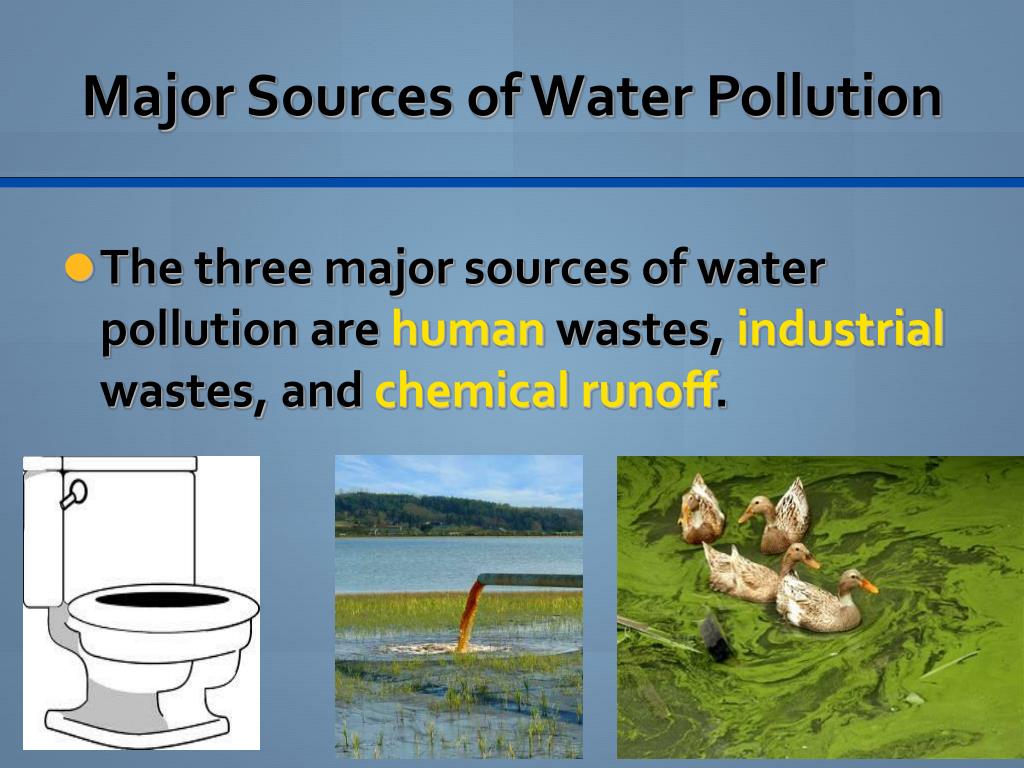
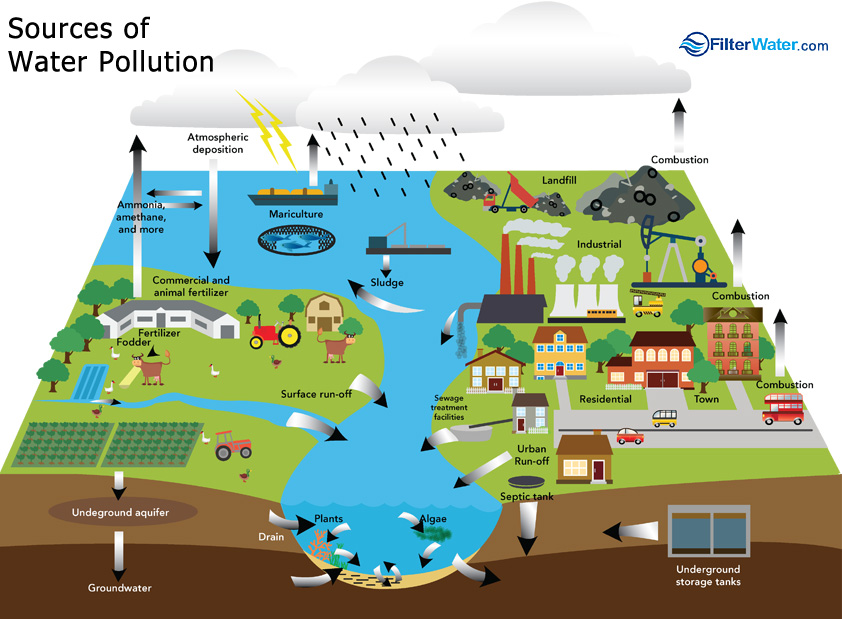
But with all this use, we need to be mindful of the things that can pollute our water sources. What are the major culprits? Let's dive in (pun intended!). One of the biggest sources of pollution is agricultural runoff. Fertilizers and pesticides used on farms can wash into rivers and lakes, leading to algal blooms and harming aquatic life. Then there's industrial waste. Factories can discharge harmful chemicals and heavy metals into waterways, contaminating the water and making it unsafe for drinking or swimming. Improper sewage treatment is another major problem. When wastewater isn't properly treated, it can contaminate water sources with bacteria, viruses, and other pathogens. Finally, urban runoff from roads and parking lots can carry pollutants like oil, grease, and trash into nearby streams and rivers.
So, what can you do to enjoy water more effectively and help protect it from pollution? Here are a few practical tips: First, be mindful of your water usage at home. Take shorter showers, fix leaky faucets, and consider installing water-efficient appliances. Second, support sustainable agriculture practices that minimize the use of fertilizers and pesticides. Third, dispose of hazardous waste properly at designated collection sites instead of pouring it down the drain. Fourth, reduce your use of single-use plastics, which can end up polluting our waterways. Finally, educate yourself and others about the importance of water conservation and pollution prevention. By taking these simple steps, you can help ensure that future generations will have access to clean, safe, and abundant water.
Remember, water is a precious resource that we all share. Let's work together to protect it!