What Are The Four Types Of Coal
Ever thought about coal as more than just a lump of black rock? It might sound a bit like a dusty textbook topic, but actually, understanding the different types of coal is surprisingly fun and really quite useful! It’s like peeking into Earth’s ancient history, learning about the powerful forces that shape our world, and even understanding a big part of where our energy comes from. It’s not just about digging in the dirt; it's about geology, energy, and even a bit of industrial history, all rolled into one fascinating package.
So, who can benefit from this deep dive into the world of coal? For beginners, it's a fantastic introduction to how different materials form over millions of years and why some energy sources are more potent than others. For families, it can spark curiosity about where our electricity comes from or even inspire a trip to a local natural history museum to see real coal samples. And for the budding hobbyists, whether you're into rockhounding, geology, or just a bit of history, knowing the distinct types of coal allows you to appreciate their unique properties and their varying roles throughout human industry and energy production. It's a journey from ancient swamps to modern power grids!
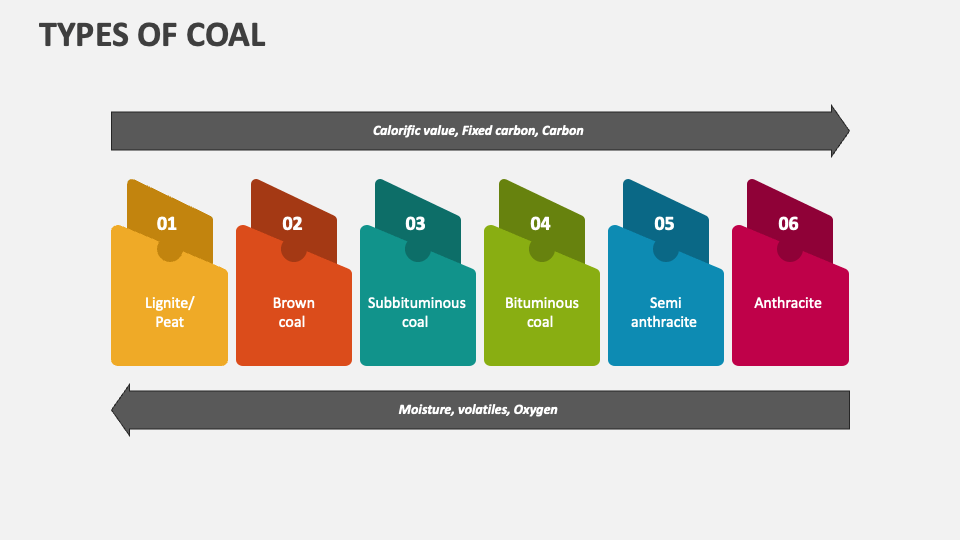
Alright, let’s dig into the main event: the four main types of coal, which are essentially different stages in a very, very long geological transformation. Think of it as a spectrum, from young and leafy to old and super dense. The less carbon it has, the "younger" it is in its formation process.
Must Read
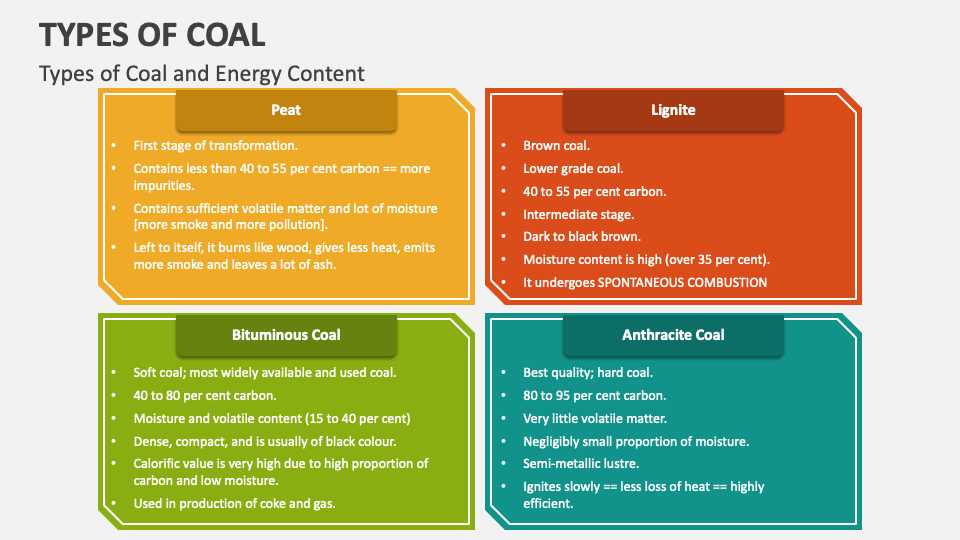
- First up is Peat. While not technically coal yet, it's the very beginning of the journey. Imagine ancient swamps with lots of decaying plant matter. Over time, this compressed, partially decayed material becomes peat. It’s light brown, spongy, and still looks quite like plant remains. It burns, but it’s smoky and doesn’t give off much heat.
- Next, with more time and pressure, peat transforms into Lignite. Often called "brown coal," lignite is soft, crumbly, and still pretty moist. It has a higher carbon content than peat and is used in power plants, especially those located near the mines because it’s not efficient to transport over long distances.
- Then we have Bituminous Coal. This is often what people think of when they hear "coal." It's black, harder, and much denser than lignite. Bituminous coal has a higher carbon content and burns with more heat, making it a primary fuel for electricity generation and even for making coke, which is essential for steel production.
- Finally, the king of coals: Anthracite. This is the hardest, oldest, and most metamorphosed type of coal. It's shiny black, almost metallic-looking, and has the highest carbon content of all coals. Anthracite burns very cleanly with intense heat and very little smoke, making it a premium fuel, though it's much rarer than bituminous coal. It represents the peak of coal formation.
So, how can you start exploring this topic? It’s super simple! First, check out some online videos or interactive diagrams about coal formation – seeing the process visually is really helpful. Second, if you have a local natural history museum, they almost certainly have coal samples you can observe. Notice the differences in color, texture, and shine. You might even find historical mining exhibits if you live in an area with a rich industrial past. Finally, just start thinking about where your energy comes from and how these ancient materials play a role. It’s all about curiosity!
Learning about the different types of coal is more than just memorizing names; it's an enjoyable way to connect with Earth's vast timeline, understand key energy sources, and appreciate the incredible geological forces that shape our world. It adds a fascinating layer to how we perceive an everyday resource, making something seemingly ordinary truly extraordinary.