What Are The Factors That Affect The Weather
Ever wonder why one day you're blasting the AC and the next you're digging out your winter boots? It's all thanks to a bunch of sneaky factors wrestling it out in the atmosphere to decide what kind of weather we get. Think of it as a giant, invisible game of tug-of-war, only instead of a rope, they're pulling on clouds, temperature, and even the ocean!
The Sun: Our Big Ball of Influence
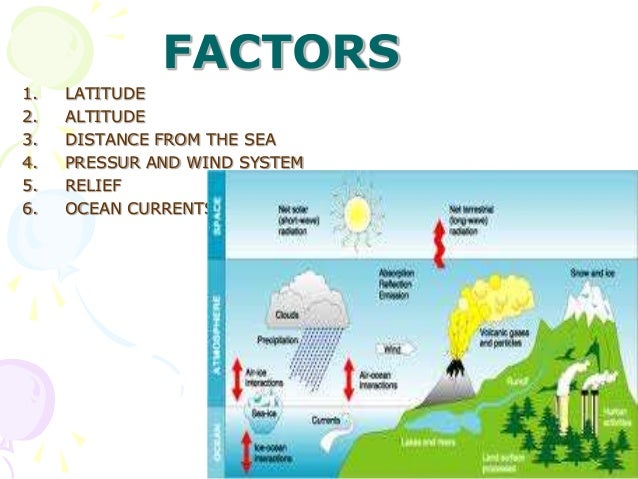
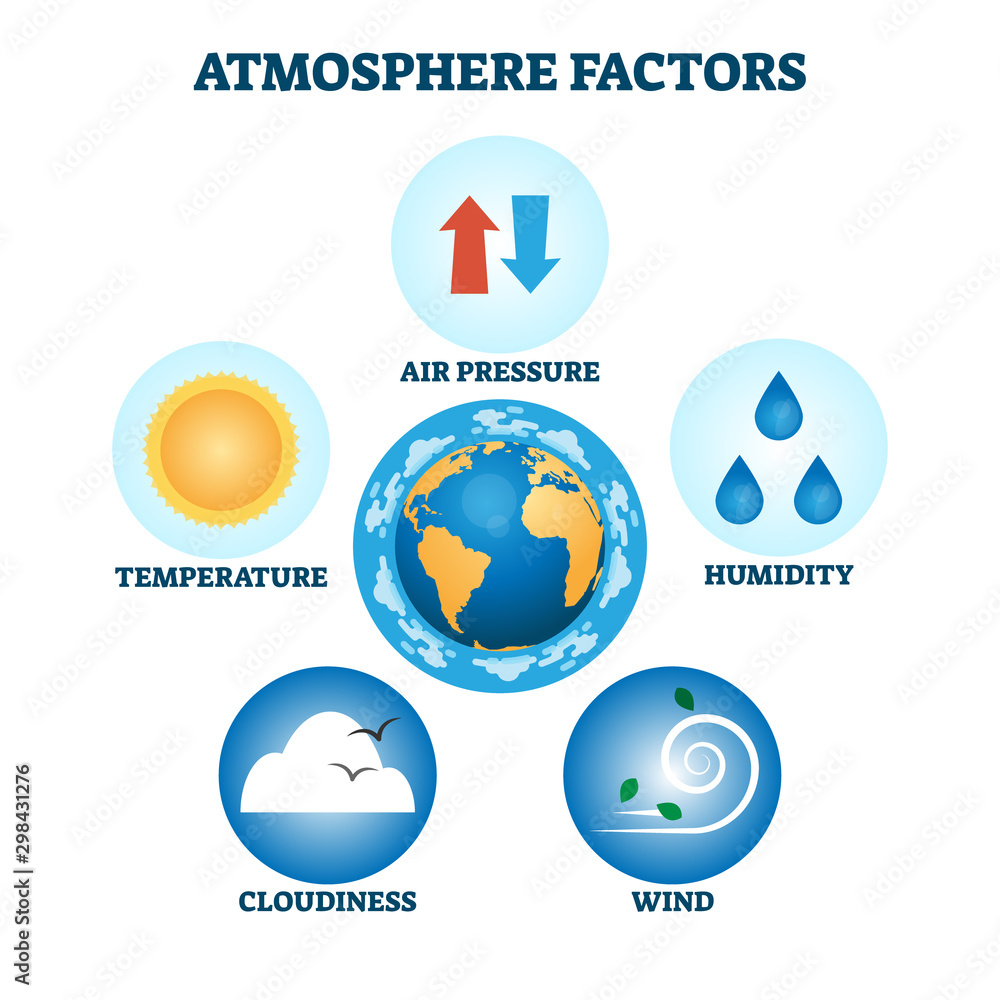
Let's start with the obvious: the Sun. This giant fireball (don't worry, it's far enough away not to singe us) is the ultimate weather maker. It's not just about whether we need sunglasses or not. The amount of solar energy hitting different parts of the Earth varies wildly depending on the season. Think about it: summer days are longer and the sun is higher in the sky, bombarding us with more heat. Winter? Shorter days, a lower sun, and a whole lot less warmth. This uneven heating is what kicks off a whole chain reaction of weather events.
Air Pressure: Highs and Lows of the Game
Next up, we have air pressure. Imagine the air above you pressing down. High pressure means the air is sinking, usually leading to clear skies and calm weather. Low pressure, on the other hand, means the air is rising. As it rises, it cools, and that cooling can lead to clouds, rain, and even thunderstorms! So, next time you hear a weather person talking about a "low-pressure system," you know that means things are about to get interesting (and probably wet!).
Must Read
Wind: The Atmosphere's Delivery Service
And what moves all this air around? Wind! Wind is basically just air rushing from areas of high pressure to areas of low pressure, trying to even things out. But it's not that simple. The Earth is spinning, which creates the Coriolis effect. This fancy-sounding force deflects winds, making them curve instead of blowing straight. This is why weather patterns tend to move in predictable ways across the globe.
Water, Water Everywhere (Affecting the Weather, That Is)
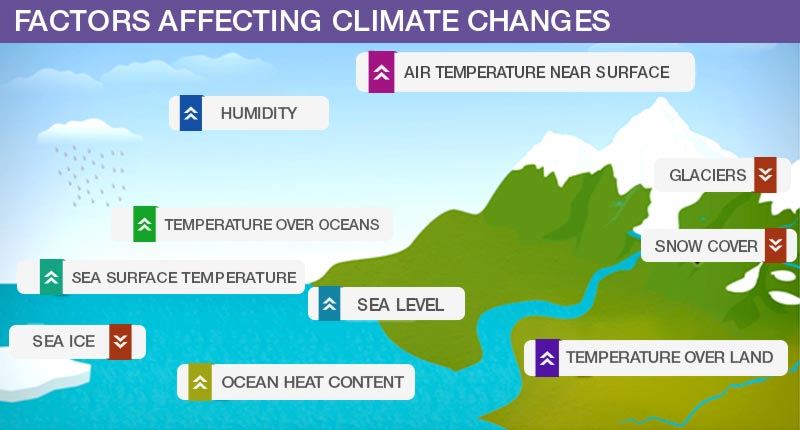
Don't forget about water! Oceans, lakes, and even that little puddle in your backyard play a huge role in the weather. Water absorbs and releases heat much slower than land. This means that coastal areas have milder temperatures than places further inland. The ocean is also the source of a ton of moisture, which evaporates into the atmosphere and forms clouds and rain. And let's not forget about those big ocean currents like the Gulf Stream, which carries warm water up from the tropics, keeping Europe much warmer than it would otherwise be. Thank you, Gulf Stream, for preventing us from turning into a giant popsicle!
Mountains: Obstacles in the Atmospheric Obstacle Course
Even mountains get in on the act! When air is forced to rise over a mountain range, it cools, and you guessed it, forms clouds and precipitation. This is why one side of a mountain range can be lush and green, while the other side is dry and desert-like. It’s called the rain shadow effect – nature's way of playing favorites with rainfall distribution.
Human Activity: We're Part of the Equation Too!
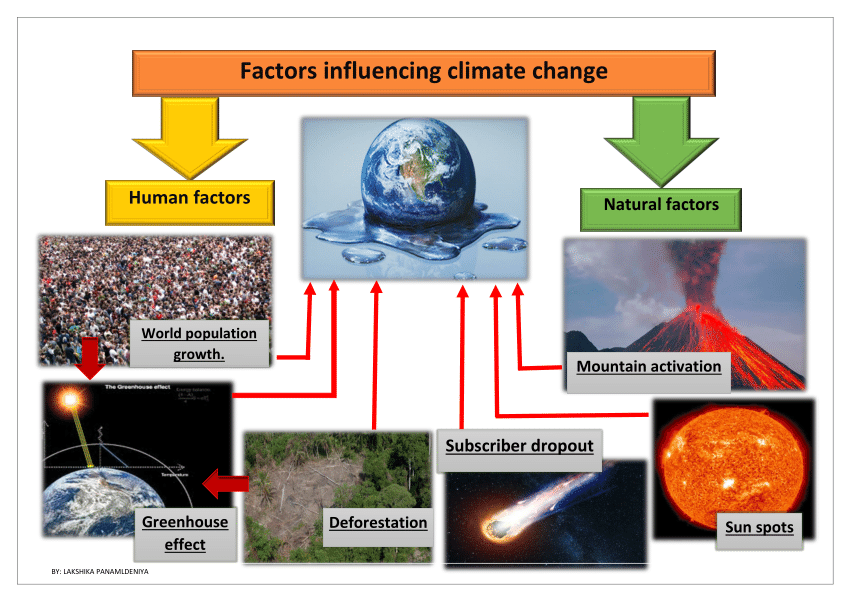
And then there's us. Yes, human activity is now a significant factor influencing the weather, mostly by impacting the climate. The burning of fossil fuels releases greenhouse gases, which trap heat in the atmosphere and lead to global warming. This, in turn, is altering weather patterns around the world, leading to more extreme events like heatwaves, droughts, and floods. It's a reminder that our actions have consequences, even when it comes to the weather.
So, the next time you're checking the forecast, remember that it's not just some random number someone pulled out of a hat. It's the result of a complex interplay of forces, from the mighty Sun to those sneaky mountains, all working together (or sometimes against each other) to create the weather we experience every day. And while we can't control the weather, understanding these factors can help us appreciate its power and prepare for whatever Mother Nature throws our way.