
What Are The Environmental Impacts Of Wind Turbines
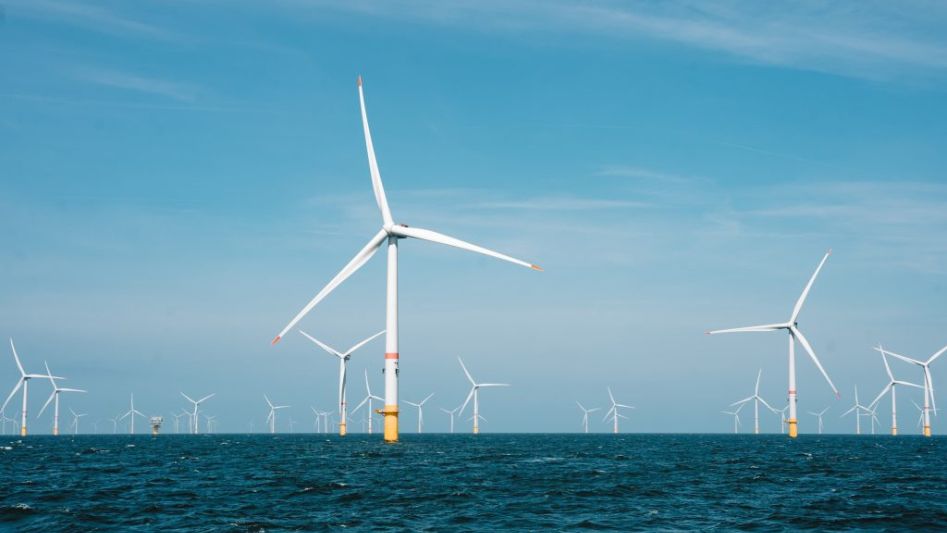
Alright, gather 'round, folks! Let's talk about wind turbines. You know, those majestic, giant metal pinwheels that dot the landscape, promising clean energy and vaguely resembling futuristic lollipop sticks? We're gonna delve into the environmental impacts, both the good and the, shall we say, slightly less good.
First, the obvious win: They're a fantastic alternative to fossil fuels. Burning coal? Ugh, that's like sending smoke signals directly to the grim reaper. Oil drilling? Let’s just say otters are generally not big fans. Wind turbines, on the other hand, harness the power of, well, wind! It’s practically free energy falling from the sky, like nature's way of giving us a participation trophy... except this trophy actually helps save the planet. Go us!
But before we declare wind turbines the undisputed champions of environmental friendliness, let's pump the brakes a little. Because, as my grandma always said, "Even the best-laid plans can attract a curious squirrel." And in this case, the squirrels are…well, metaphorical. Mostly.
Must Read
Bird and Bat Buffet?
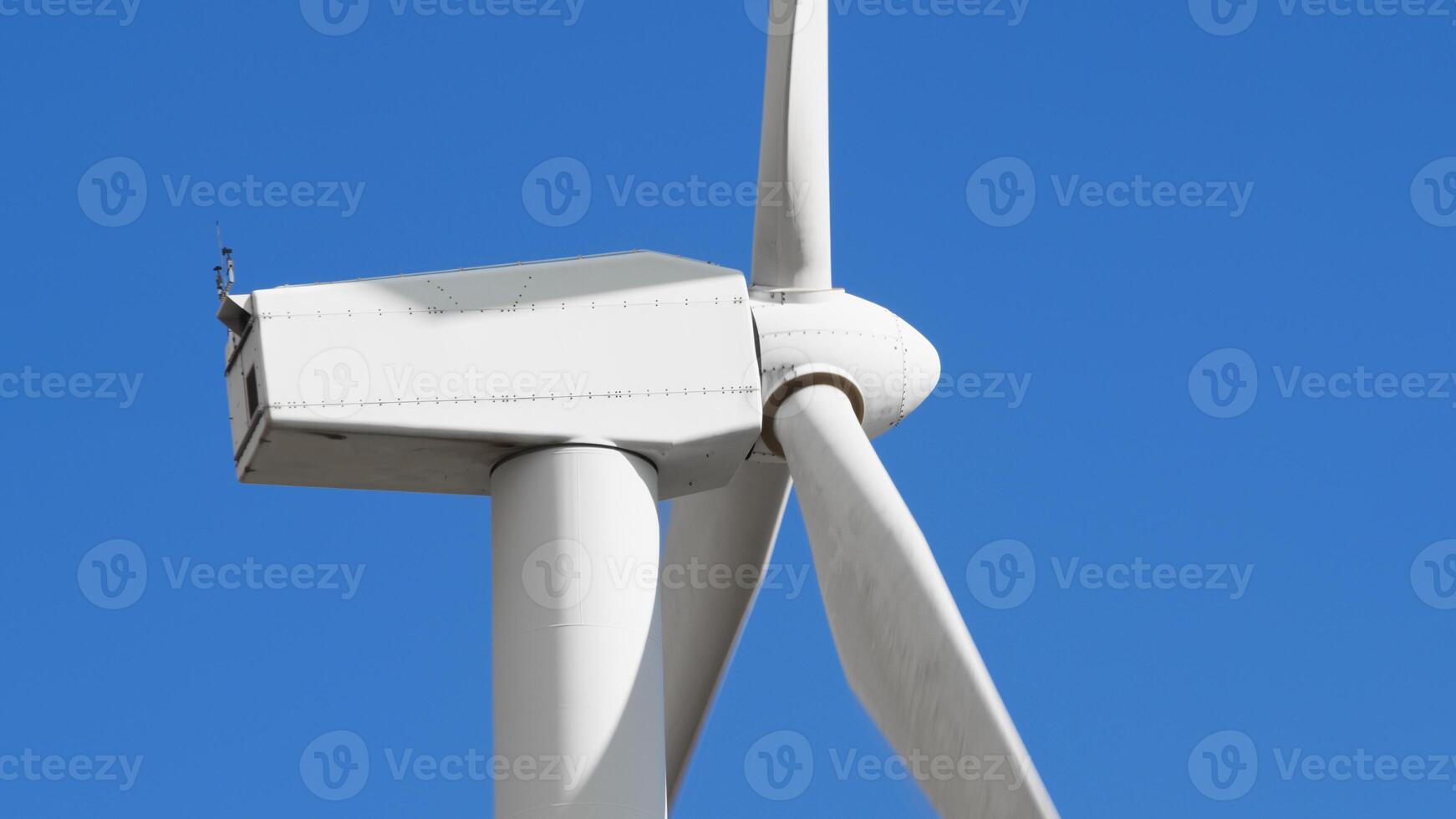
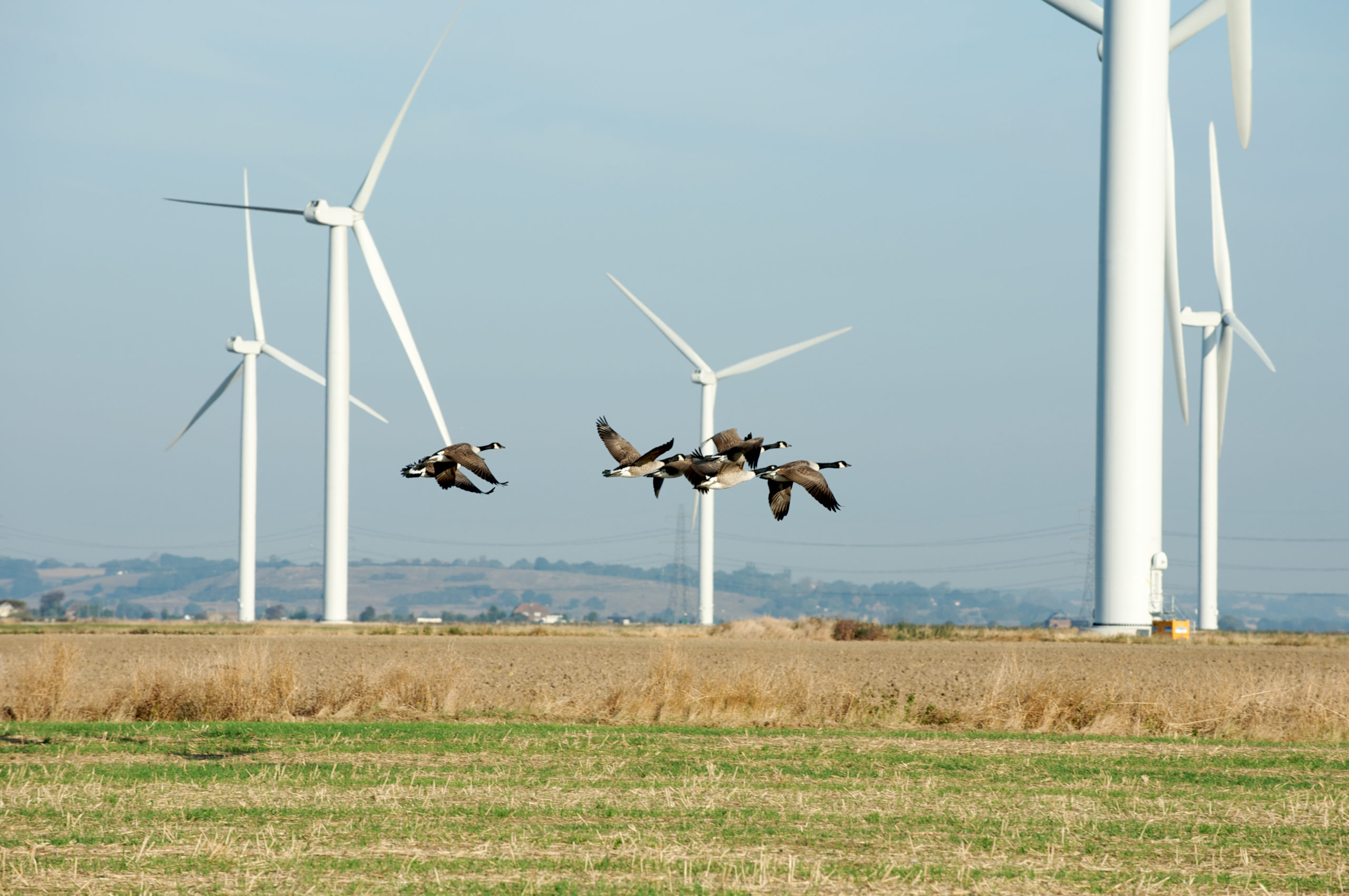
Okay, let's address the elephant – or should I say, the avian – in the room. Birds and bats. These winged wonders sometimes, tragically, mistake spinning turbine blades for… well, not solid objects. Think of it as a mid-air collision with a really, really fast-moving wall. It's not pretty. And yes, it's a serious concern. We're not talking about a couple of rogue pigeons; some species, like certain bats, are particularly vulnerable.
Now, the good news is that scientists are on it! They're trying everything: painting blades different colors (apparently, birds have strong opinions on color palettes), using ultrasound to deter bats (like giving them a sonic "no trespassing" sign), and even shutting down turbines during peak migration periods. It's a constant balancing act: clean energy versus protecting our feathered (and furry-winged) friends.
Fun fact: Far more birds are killed by cats, cars, and buildings each year than by wind turbines. Seriously. Your fluffy house panther is a bigger menace to the bird population than a giant wind machine. So, maybe cuddle your cat a little less tightly. (Just kidding… mostly.)
Land Use: Not Exactly a Small Footprint
Let's talk real estate. Wind farms, those sprawling collections of turbines, require land. And lots of it. While you can still graze cattle or grow crops around the turbines (picture cows nonchalantly munching grass while a giant metal fan whirs overhead – peak pastoral bliss, right?), the turbines themselves do take up space. This can lead to habitat loss and fragmentation, which, to put it mildly, isn't great for biodiversity. Nobody wants to be the animal that says, "Hey, I used to live here! Now it's just...windmills. Everywhere."
However, compared to the land footprint of, say, a coal mine or an oil field, wind farms are often considered a more efficient use of space. Plus, many wind farms are located in already disturbed areas, like agricultural lands or deserts. So, it's not like they're bulldozing pristine rainforests (hopefully). Fingers crossed!
Noise and Visual Impact: Beauty is in the Eye of the Beholder (and the Ear of the Neighbor)
Ah, the aesthetics. Some people find wind turbines beautiful, a symbol of progress and clean energy. Others… not so much. They might describe them as "eyesores" or "giant, blinking monsters." Hey, to each their own! But you can't deny that they change the landscape. And let's not forget the noise. Turbines aren't exactly silent. They produce a whooshing sound that, while not deafening, can be a bit… persistent. Imagine living next to a perpetually sighing giant. Not exactly conducive to a good night's sleep.
But again, there are solutions! Buffer zones, careful placement of turbines, and advancements in turbine technology are all helping to reduce noise and visual impacts. Plus, the promise of cleaner air and a healthier planet might just make that whooshing sound a little more… bearable.

Manufacturing, Transport, and Disposal: The Life Cycle Lowdown
Building a wind turbine isn't exactly like whipping up a batch of cookies. It requires resources – steel, concrete, fiberglass, rare earth minerals. These materials need to be mined, processed, and transported, all of which have environmental consequences. And what happens when a turbine reaches the end of its lifespan? Recycling wind turbine blades is a growing challenge, and landfilling them is… well, not ideal.
The good news? The industry is actively working on developing more sustainable manufacturing processes, improving recycling technologies, and designing turbines that are easier to decommission. We're talking about potentially turning old blades into everything from bridges to building materials. Talk about giving old tech a new spin!
So, are wind turbines perfect? Nope. Are they a significant step in the right direction towards a cleaner, more sustainable future? Absolutely. Like anything, they have their pros and cons. But by acknowledging the challenges and working towards solutions, we can harness the power of the wind while minimizing the environmental impact. Now, if you'll excuse me, I'm off to build a tiny, bird-friendly wind turbine powered by my own hot air. Wish me luck!
