
What Are The Environmental Impacts Of Wind Energy

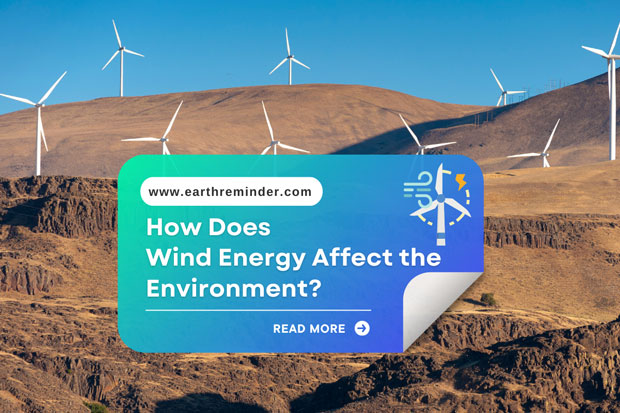
Okay, so picture this: I'm driving through the California desert, right? Sun blazing, tumbleweeds doing their thing, and in the distance...boom! A field of these massive, elegant wind turbines. Honestly, they looked pretty majestic, like futuristic metal flowers bowing in the breeze. And I thought, "Wow, that's gotta be good for the planet!" But then, you know, my brain started firing up. Is it really all sunshine and roses (or should I say, sunshine and wind turbines?)?
That got me thinking: what are the actual environmental impacts of wind energy? We hear so much about how awesome it is (and it is, mostly!), but let's dig a little deeper, shall we?
The Good Stuff: Hello Clean Energy!
Let's start with the obvious, the big win. Wind energy is a renewable resource. Unlike fossil fuels (coal, oil, and natural gas), we're not digging it out of the ground and depleting finite resources. The wind is, well, always there. (Hopefully. Climate change is a whole other can of worms, am I right?).
Must Read
And because it doesn't rely on burning stuff, wind energy produces virtually no greenhouse gas emissions during operation. Think about that for a second. No CO2 pumping into the atmosphere, contributing to global warming. That's HUGE!
Important side note: "Virtually no emissions" doesn't mean zero. There are emissions associated with the manufacturing, transportation, installation, and decommissioning of wind turbines, but they're significantly lower than those from fossil fuels. We'll get into that a bit later.
Plus, wind power can help us reduce our reliance on fossil fuels, which means less drilling, less mining, and less geopolitical drama. (Okay, maybe that last one is a bit optimistic, but you get the idea!).
The Not-So-Good Stuff: Every Rose Has Its Thorn(es)
Okay, so it's not all sunshine and wind turbines. There are some downsides to consider. Let's be real, nothing's perfect, right?
One of the biggest concerns is the impact on wildlife, especially birds and bats. Turbines can, unfortunately, be a hazard to flying creatures. Imagine a giant spinning blade... not ideal for our feathered friends.

Fun fact: There's a lot of research being done to mitigate this. Things like painting turbine blades different colors, using radar to detect birds and slow down the turbines, and even changing the placement of wind farms. It's a work in progress, but progress is being made!
Then there's the visual impact. Some people find wind turbines beautiful, others find them an eyesore. It's subjective, I guess. But let's face it, a field of giant spinning structures does change the landscape. (And it can affect property values in some areas, which is something to consider.)
Noise pollution is another potential issue. Turbines can generate a low-frequency hum that some people find annoying, especially if they live close by. (Think of it as a constant, subtle "whoosh").
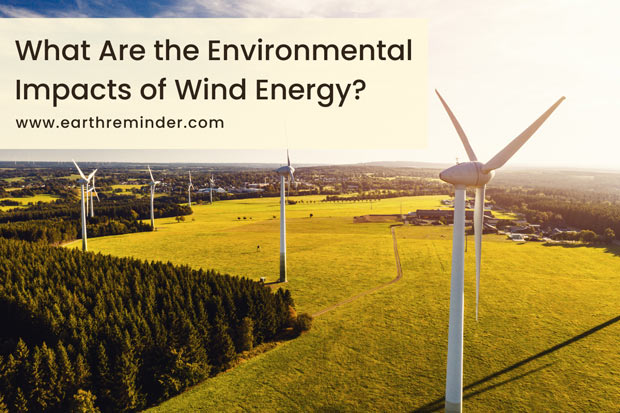
And let's not forget about the land use. Wind farms require a significant amount of land. While the land between turbines can often be used for agriculture or grazing, it still takes up space. (But, hey, so do oil wells and coal mines, right?).
Finally, going back to that "virtually no emissions" point, there's the environmental impact of manufacturing and disposing of the turbine components. Mining the raw materials (like rare earth elements for the magnets), transporting them, and eventually recycling (or, more likely, landfilling) the old blades all have an environmental footprint.
The Verdict: A Balancing Act
So, what's the final answer? Is wind energy good or bad? Well, like most things, it's complicated! Wind energy offers significant environmental benefits compared to fossil fuels, but it's not without its downsides.

The key is to find a balance. Carefully siting wind farms to minimize impacts on wildlife, developing better recycling technologies for turbine blades, and continuously improving the efficiency and reliability of wind power are all crucial steps.
Ultimately, the decision of whether or not to embrace wind energy involves weighing the environmental costs and benefits, and considering the alternatives. And, honestly, when the alternative is a planet choked by pollution, wind energy starts to look pretty darn good.
Now, if you'll excuse me, I'm off to research the environmental impact of solar panels. (Don't worry, I'll share my findings!).