
What Are The Environmental Impacts Of Nuclear Power
Hey there, curious minds! Ever stopped to think about where your electricity comes from? We flip a switch, and poof – light! But behind that magic trick lies a whole world of energy sources, each with its own story, its own pros and cons. Today, let's dive into one that often gets a bit of a reputation: nuclear power.
I know, I know. When you hear "nuclear," your mind might jump straight to mushroom clouds or mutant lizards. But hold up! Let's separate the science from the science fiction and explore the real environmental impacts of this fascinating energy source.
So, What's the Deal with Nuclear Power?
At its heart, nuclear power is all about harnessing the energy locked inside atoms. Specifically, we're talking about uranium, a naturally occurring element found in the Earth's crust. Think of it like this: uranium is like a tiny, incredibly packed spring. When you trigger it in a controlled way (inside a nuclear reactor, of course), it releases a massive amount of energy in the form of heat.
Must Read
This heat then boils water, creating steam, which spins turbines to generate electricity. Sounds simple enough, right? And honestly, the basic principle is pretty straightforward.
The Good Stuff: Why Nuclear is Kind of Awesome
Okay, let's start with the big one: carbon emissions. Unlike fossil fuels like coal and natural gas, nuclear power plants don't burn anything. This means they produce virtually zero greenhouse gases during operation. Zero! Think of it as the energy equivalent of an electric car – super clean while it's running.
That's a huge deal in the fight against climate change. We're talking a massive reduction in our carbon footprint compared to traditional power plants. Isn't that pretty cool?
And it doesn't stop there. Nuclear power is incredibly efficient. A small amount of uranium can generate a ton of electricity. We're talking about needing just a few truckloads of uranium fuel each year to power a city, compared to the mountains of coal needed for a conventional power plant. It's like comparing a tiny energy-packed chocolate to a giant haystack – both can feed you, but one is way more compact and efficient.
Plus, nuclear power is reliable. Unlike solar and wind power, which depend on the weather, nuclear power plants can operate 24/7, 365 days a year. They're like the dependable workhorse of the energy world, always ready to deliver.
The Not-So-Good Stuff: Addressing the Concerns
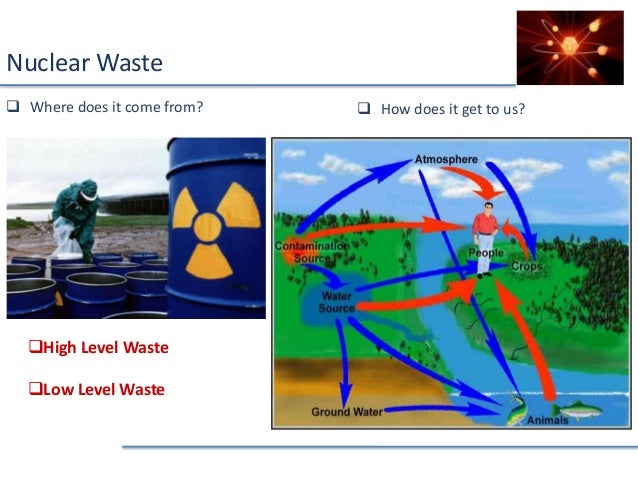
Now, let's be real. Nuclear power isn't perfect. The biggest concern, and rightfully so, is nuclear waste. When uranium is used in a reactor, it produces radioactive byproducts. These byproducts are highly radioactive and need to be carefully stored for thousands of years.
Think of it like a really potent medicine: it can cure you, but you have to be extra careful with the leftovers to avoid any nasty side effects. Storing nuclear waste is a complex challenge, but scientists and engineers are constantly working on better and safer storage solutions, and even ways to reprocess the waste to extract more energy from it.
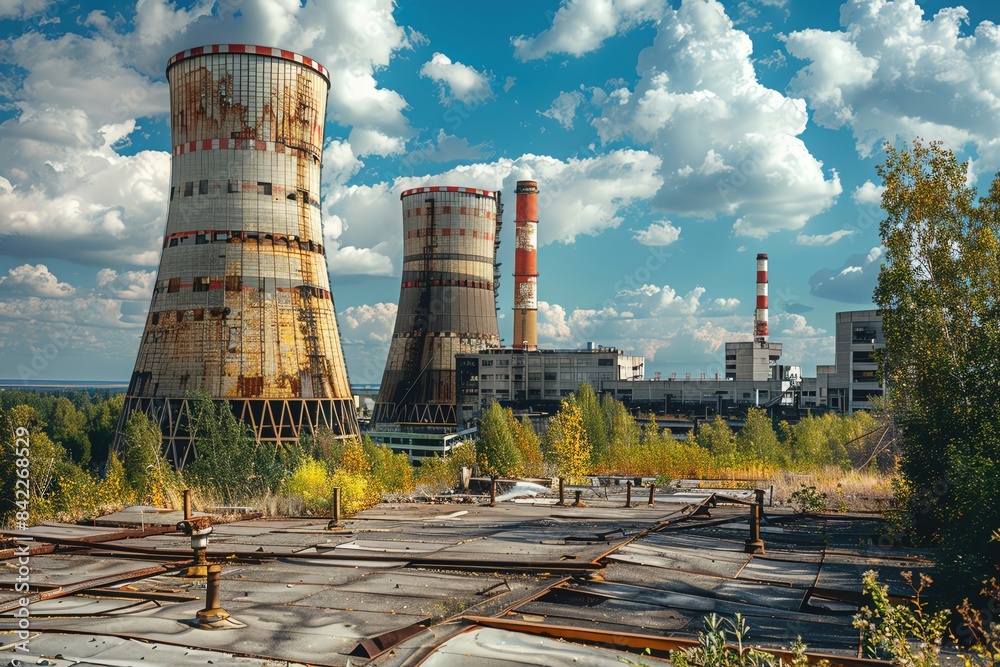
Another concern is the risk of accidents. Events like Chernobyl and Fukushima remind us of the potential for catastrophic failures in nuclear power plants. However, modern nuclear reactors are designed with multiple layers of safety features to prevent accidents. It's like building a fortress around the reactor to ensure it stays contained.
And let's not forget about the environmental impact of uranium mining. Like any mining operation, extracting uranium can disrupt ecosystems and pollute water sources. However, modern mining practices are designed to minimize these impacts. There is also extensive research on using uranium extracted from seawater, which could reduce the need for land-based mining.

The Verdict: Is Nuclear Power Worth It?
So, what's the takeaway? Nuclear power is a complex energy source with both significant benefits and real risks. It's a powerful tool that can help us combat climate change, but it requires careful management and responsible oversight.
Ultimately, the decision of whether or not to embrace nuclear power is a balancing act. We need to weigh the environmental benefits against the environmental risks, and consider the alternatives. What do you think? Is nuclear power a key part of a sustainable energy future, or are the risks too great?
The conversation is ongoing, and your voice matters! So, do your research, ask questions, and join the discussion.