What Are The Environmental Effects Of Nuclear Energy

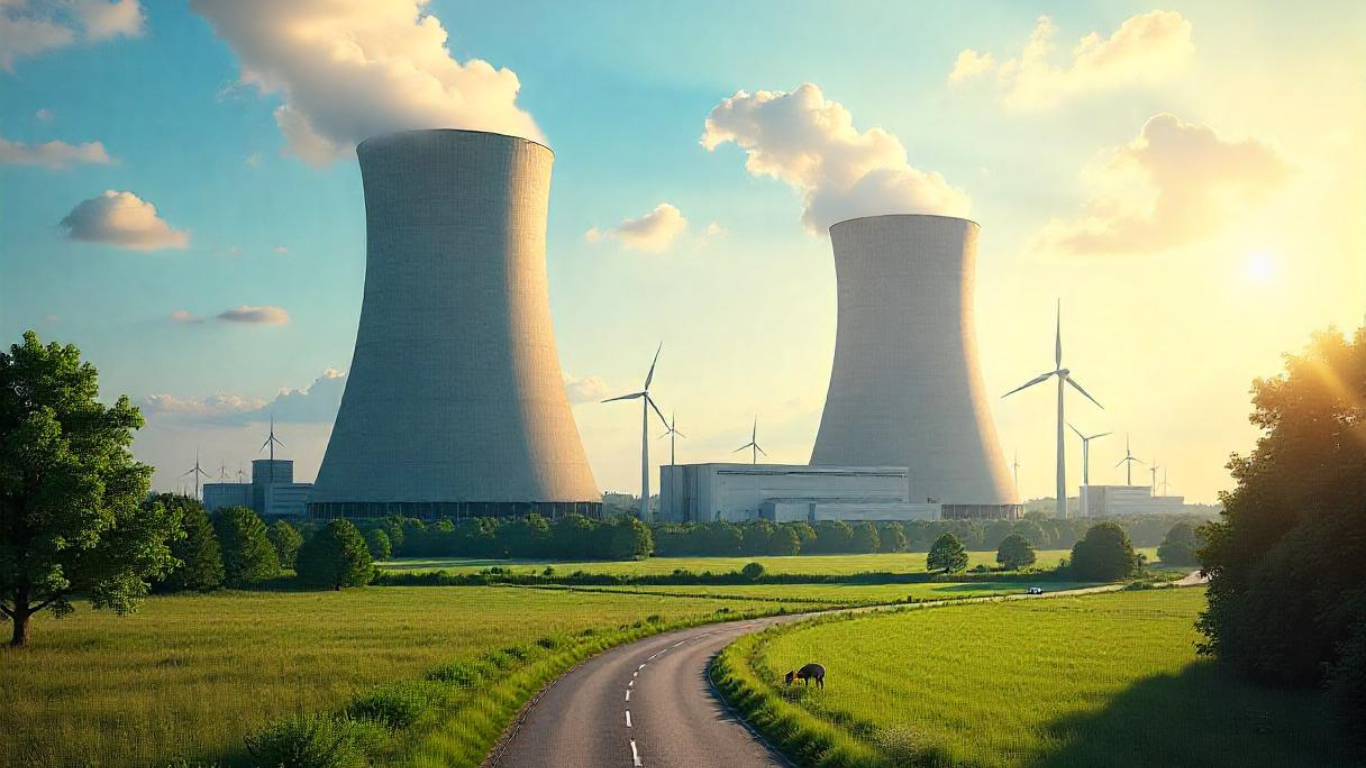
Let's be honest, when you hear "nuclear energy," images of glowing green goo or towering cooling towers probably spring to mind. It’s got a certain dramatic flair, doesn’t it? But beyond the silver screen theatrics, nuclear energy's environmental impact is a surprisingly nuanced and, dare I say, sometimes even positive story. It's a topic ripe for exploration, not just for scientists and policymakers, but for anyone with a curious mind and a desire to understand the world around them.
So, what's the draw for artists, hobbyists, and casual learners? Think of understanding nuclear energy as unlocking a new level of appreciation for science and technology. It offers a fantastic lens through which to view complex systems. For artists, it could inspire pieces that explore themes of power, transformation, and even the beauty hidden within seemingly dangerous processes. Imagine a sculptor using recycled materials to create a miniature nuclear power plant, a painter capturing the swirling mists of a cooling tower in vibrant watercolors, or a digital artist designing interactive simulations of nuclear reactions.
Consider the possibilities: You could create abstract paintings that represent different types of nuclear decay, using colors and textures to symbolize the energy released. Maybe you're a writer? Explore the narrative potential of a future powered by nuclear fusion, or craft a fictional account of the ethical dilemmas faced by scientists working on nuclear waste disposal. Even amateur photographers can find inspiration, documenting the unique architectural structures associated with nuclear facilities (from a safe distance, of course!). There are many online tutorials explaining the structure of an atom, so try to base your art around the element Uranium.
Must Read
Now, you might be thinking, "Okay, this sounds interesting, but how can I possibly 'try it at home'?" I'm not suggesting you build a reactor in your garage! Instead, focus on learning the fundamental concepts. Many online resources offer simplified explanations of nuclear fission, fusion, and radiation. Build a model of an atom using craft supplies. Watch documentaries about the history of nuclear power. Engage in thoughtful discussions about the pros and cons of this energy source. There are even board games and simulations designed to teach about nuclear reactor management in a fun and engaging way. Remember safety first, always research thoroughly and consult trusted resources.
So, why bother delving into the world of nuclear energy? Beyond the artistic inspiration and intellectual stimulation, it's about understanding a crucial part of our world's energy landscape. It's about having informed opinions about the challenges and opportunities that lie ahead. It's about appreciating the ingenuity and innovation that have gone into harnessing the power of the atom. Plus, let’s face it, learning about something that seems so complex and mysterious can be incredibly satisfying. There's a genuine sense of accomplishment that comes from grasping even a small piece of this fascinating puzzle. The power to understand is itself a powerful thing, and it makes for a stimulating and enjoyable learning experience.