
What Are The Drawbacks Of Geothermal Energy

Geothermal energy – it sounds like something straight out of a Jules Verne novel, right? Harnessing the Earth's natural heat to power our homes and industries! It's like having a giant, perpetually warm blanket underneath us all, just waiting to be plugged into.
But before we all start digging holes in our backyards and turning our lawns into miniature versions of Iceland, let's talk about the (sometimes surprising) drawbacks. Because, as with any superhero, even geothermal energy has its kryptonite.
The Location, Location, Location Blues
Imagine wanting a beautiful beach house, only to realize the closest beach is 500 miles away. That's kind of how it is with geothermal. You can't just plop a geothermal power plant anywhere.
Must Read
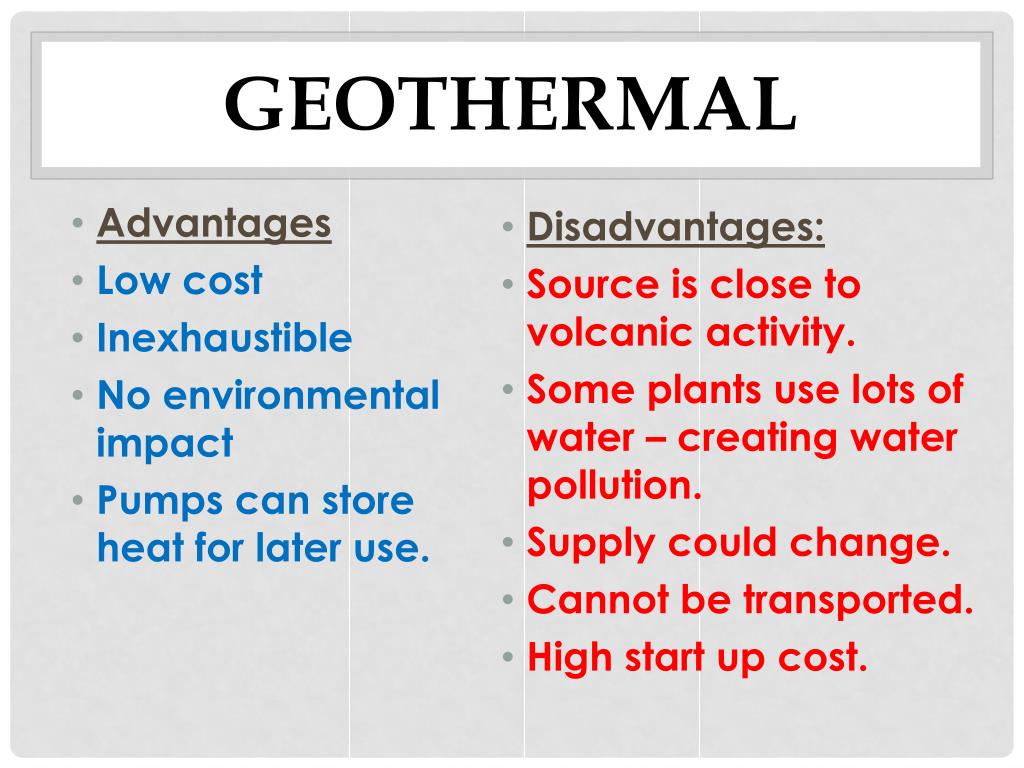
Geothermal hotspots, those areas where the Earth's heat is readily accessible, are rather picky about where they set up shop. Think of places like Iceland, New Zealand, and parts of the western United States. If you're not near one of these geological "sweet spots," accessing geothermal energy becomes a whole lot trickier (and pricier!).
The "Not-In-My-Backyard" Factor (and Earthquakes?)
Nobody wants a giant power plant looming over their prized petunias, no matter how eco-friendly it is. This is the classic "NIMBY" phenomenon, and geothermal installations are not immune.
Even more concerning for some is the possibility of induced seismicity. Induced seismicity, in plain English, means that sometimes, injecting fluids into the earth to extract geothermal heat can, on rare occasions, trigger small earthquakes. It’s like poking a sleeping giant – you might just wake it up!
Scientists are working hard to understand and mitigate this risk, but the association with earthquakes definitely gives some people the jitters.

The Cost Conundrum
Building a geothermal power plant is no walk in the park. It requires significant upfront investment.
We’re talking about drilling deep into the earth, installing specialized equipment, and building the infrastructure to transport the energy. Compared to, say, slapping some solar panels on a roof (a much easier weekend project), geothermal requires serious financial commitment.
Is It Really Renewable?
Here's a brain-tickler: can we actually use up geothermal energy? It sounds absurd – the Earth is a giant ball of molten rock! – but it's a valid question.
If geothermal resources are extracted too quickly, the underground reservoirs can cool down faster than they can naturally replenish. This can lead to a decline in energy production over time. It's like draining a bathtub faster than the faucet can fill it.
Sustainable management practices are crucial to ensure that geothermal energy remains a truly renewable resource for future generations. Think of it like carefully tending to a garden – you need to nurture it to keep it thriving.
The "Stuff" Coming Up From Below
Sometimes, the water (or steam) that comes up from geothermal wells isn't exactly pristine. It can contain dissolved minerals, salts, and even small amounts of potentially harmful substances like mercury or arsenic. Think of it as the Earth's way of burping up its hidden secrets.
This "geothermal soup," as we’ll affectionately call it, requires careful treatment and disposal to prevent environmental contamination. It’s not as simple as just letting it flow into the nearest stream.
Emissions... Wait, What?!
Here's a surprising one: geothermal power plants can actually release some greenhouse gases. Now, before you gasp in horror, let's clarify. The emissions are generally much lower than those from fossil fuel power plants.
However, geothermal fluids often contain small amounts of carbon dioxide and hydrogen sulfide, which can be released during energy production. It's like the Earth holding onto its breath, and then letting out a little puff when we tap into its heat.

The amount of emissions varies depending on the specific geothermal resource and the technology used. Advanced geothermal systems are designed to minimize or even eliminate these emissions.
The Corrosion Calamity
That "geothermal soup" we mentioned earlier? Well, it's not just potentially harmful to the environment. It can also be incredibly corrosive to pipes and equipment.
Imagine trying to build a car out of sugar cubes and expecting it to last through a rainstorm. The same principle applies here. The harsh chemical composition of geothermal fluids can wreak havoc on metal components, leading to corrosion and requiring frequent maintenance and replacement.
This, of course, adds to the overall cost of geothermal energy production. It’s like having a car that needs a new engine every year – not exactly the most economical choice.
The Efficiency Enigma
While geothermal energy is a fantastic way to generate electricity and provide direct heating, its overall efficiency can be a bit of a mixed bag.
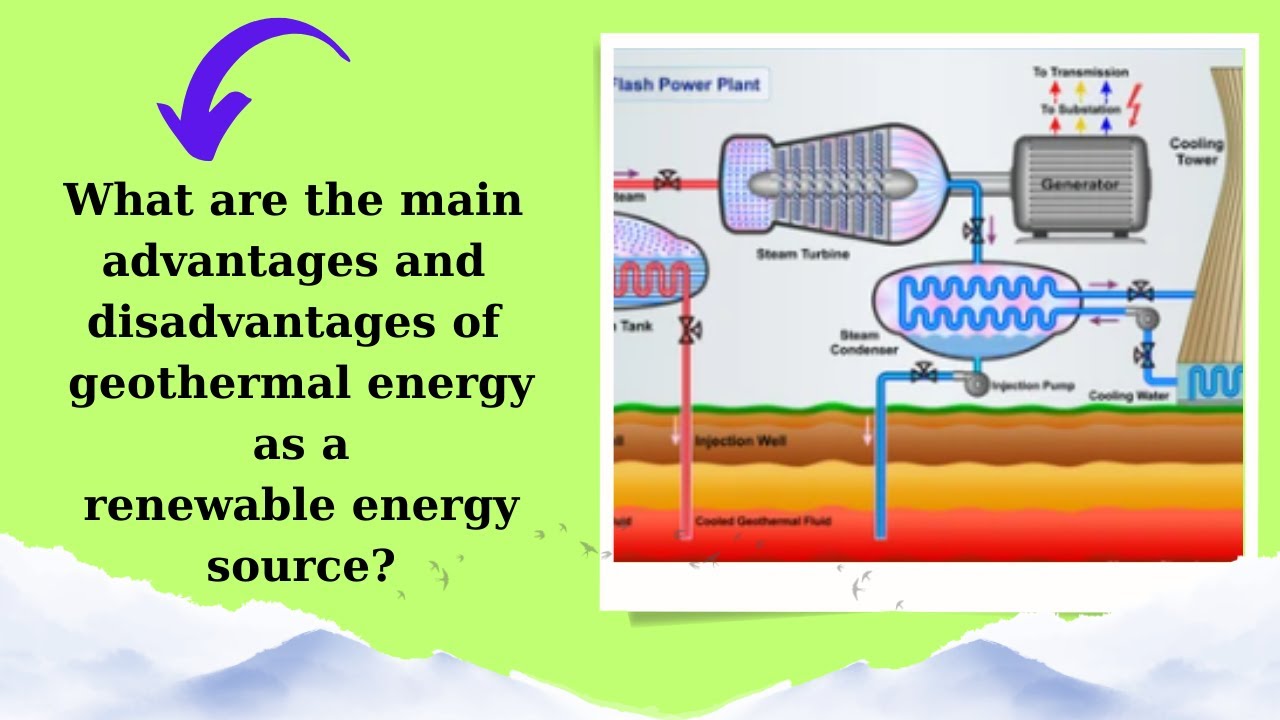
The efficiency of a geothermal power plant depends on several factors, including the temperature of the geothermal resource and the type of technology used. Some geothermal plants convert a relatively small percentage of the heat energy into electricity.
However, advancements in geothermal technology are constantly improving efficiency and making geothermal energy a more competitive option. It’s a field that's constantly evolving, like a video game that keeps getting updated with new and improved features.
Conclusion: A Warm Future, With a Few Hiccups
So, there you have it – the not-so-glamorous side of geothermal energy. It's not a perfect solution, and it certainly has its challenges.
But despite these drawbacks, geothermal energy remains a promising renewable energy source with the potential to play a significant role in our clean energy future. Think of it as a work in progress – a powerful tool that's constantly being refined and improved.
With continued research, technological advancements, and careful planning, we can harness the Earth's natural heat in a sustainable and responsible way, bringing us closer to a warmer, greener future for all. Just remember to check for fault lines before you start digging that hole in your backyard!