What Are The Downsides Of A Tankless Water Heater

Imagine stepping into a hot shower on a chilly morning, only to be greeted by a lukewarm dribble. Not exactly the best start to the day, right? That's where water heaters come in! We often take them for granted, but they're essential for everything from comfortable showers and clean dishes to efficient laundry. And while traditional tank water heaters have been the norm for ages, a newer contender has entered the arena: the tankless water heater. It's worth understanding because it might be the thing that finally gives you the perfect shower!
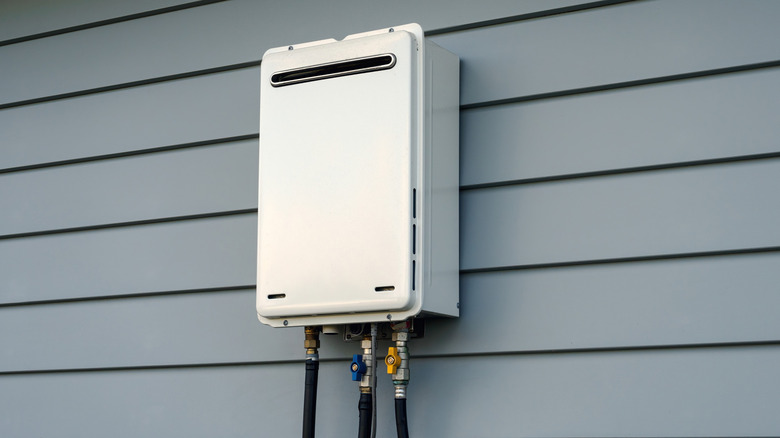
So, what exactly is a tankless water heater? In a nutshell, it heats water on demand. Unlike traditional tank heaters that constantly keep a reservoir of water hot, tankless systems only fire up when you turn on a hot water tap. Cold water flows through a high-powered heat exchanger, and voila, you get hot water almost instantly. This eliminates the standby heat loss associated with tanks, potentially saving you money on your energy bill and shrinking your carbon footprint. Sounds pretty great, right?
Think about schools, for instance. Imagine large cafeterias needing hot water for dishwashing during lunchtime. A tankless system can handle the intermittent, but high-volume, demand much more efficiently than a tank. Or consider a family household: with a tankless system, everyone can shower back-to-back without worrying about running out of hot water – a definite win for harmonious mornings! They are also increasingly used in tiny homes or apartments where space is at a premium, as they are significantly smaller and more compact than their tank counterparts.
Must Read
But before you rush out and replace your old tank, it's crucial to understand the potential downsides of tankless water heaters. While they offer many advantages, they aren't perfect for every situation. The initial cost is often significantly higher than a traditional tank heater. Installation can also be more complex, requiring professional plumbing and electrical work, which adds to the overall expense. This isn't a DIY project for most!
Another potential issue is the flow rate. Tankless heaters can only heat a certain amount of water at a time. If you try to run too many hot water appliances simultaneously – say, a shower, dishwasher, and washing machine – you might experience a drop in water pressure or temperature. Consider your household's peak hot water usage when deciding if a tankless system can meet your needs. Some larger households may even require multiple tankless units to adequately handle the demand.
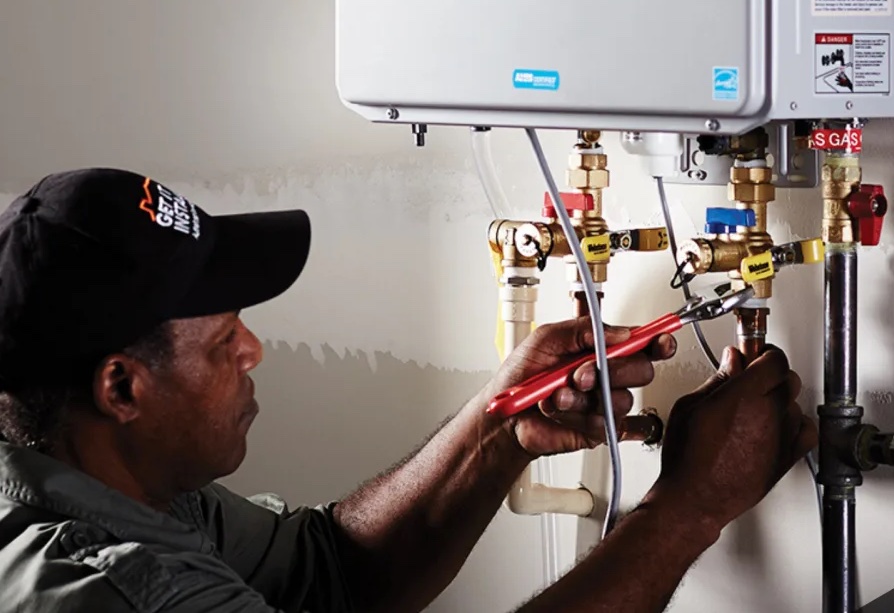
Furthermore, some tankless heaters require dedicated electrical circuits or gas lines, which may necessitate upgrades to your home's infrastructure. This can add unexpected costs to the installation. And although they are generally low maintenance, tankless heaters do require periodic descaling to remove mineral buildup, especially in areas with hard water. Neglecting this maintenance can reduce their efficiency and lifespan.
So, how can you explore the world of tankless water heaters further? Start by researching the different types and brands available. Look for online reviews and compare prices. Contact a local plumber for a consultation to assess your home's specific needs and determine if a tankless system is the right choice for you. Many manufacturers also offer online calculators that can help you estimate potential energy savings. By doing your homework, you can make an informed decision and avoid any unpleasant surprises down the road.