What Are The Disadvantages Of Using Nuclear Energy

Hey there, energy enthusiast! So, we were chatting the other day about nuclear power, right? Super efficient, clean-ish air... but like everything in life, it's not all sunshine and daisies. Let's dive into some of the downsides, shall we? Don't worry, I promise not to get too science-y on you!
The Nuclear Waste Elephant in the Room
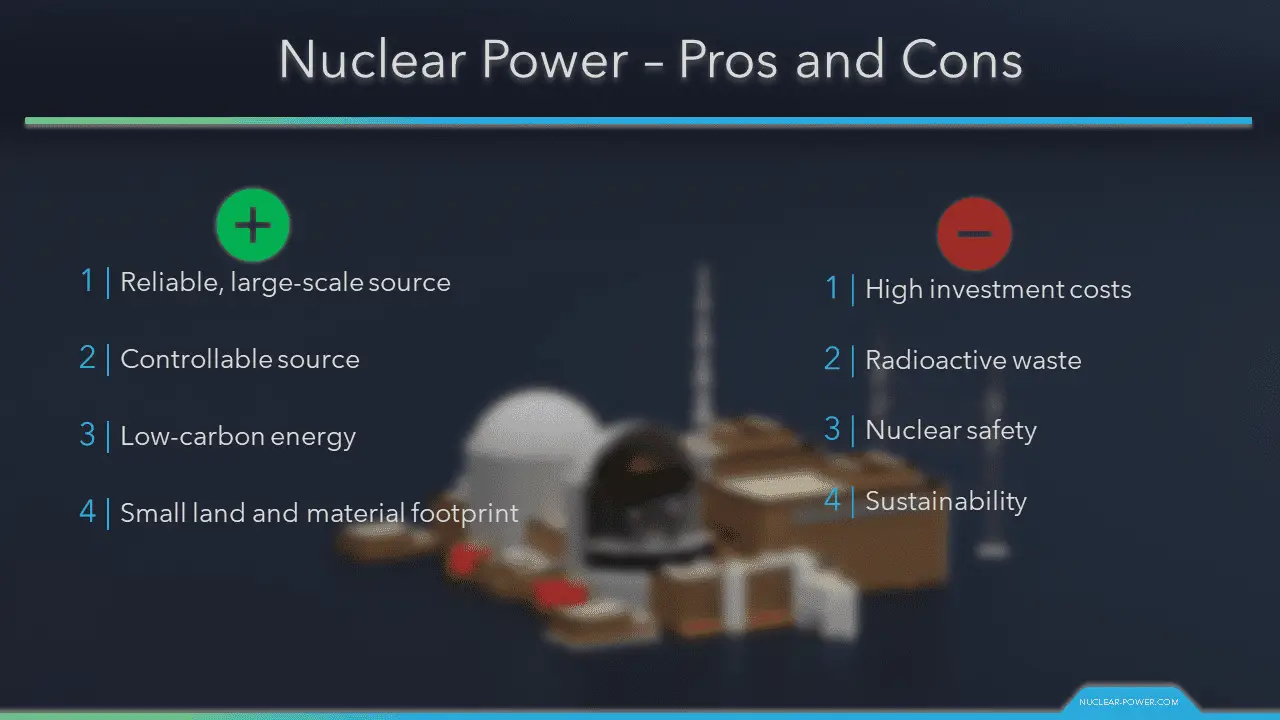
Okay, first up: nuclear waste. This is the big one. Think of it as that awkward party guest who just won't leave… for thousands of years. We're talking about radioactive material that stays hazardous for, well, a really long time. We're not talking about leftovers you can compost, folks!
Finding a safe place to store this stuff is a massive headache. Geologically stable locations? Check. Resistant to earthquakes and other natural disasters? Double-check. Convincing the local community that burying nuclear waste near them is a good idea? Good luck with that! Let’s just say NIMBY-ism (Not In My Backyard) is alive and well when it comes to radioactive leftovers.
Must Read
And even with the best storage, there's always the risk of leaks and contamination. Imagine a tiny amount of plutonium escaping… not exactly ideal picnic weather, is it?
Meltdown Mayhem! (Or: Why Homer Simpson Shouldn’t Be in Charge)
Next on our list of woes: the potential for accidents. Now, modern nuclear power plants are designed with multiple layers of safety features, and they are much safer than their older cousins. But, let's be honest, things can go wrong. Chernobyl, Fukushima… these names ring a bell, right? These were not good days for nuclear power.

A meltdown (which is basically what happens when the reactor core overheats and starts to, well, melt) can release large amounts of radiation into the environment. This can cause immediate health problems, long-term health problems, and force entire communities to evacuate. Think of it as the ultimate bad hair day for the planet. And trust me, radiation poisoning is not a good look on anyone.
The Cost of Clean... Kinda
Let's talk money. Building a nuclear power plant is expensive. We're talking billions of dollars. Think of it as buying a luxury yacht... except instead of a yacht, you get a giant concrete and steel building filled with highly radioactive materials. Yay?

That upfront cost can be a major barrier. And it's not just the construction. You've got to factor in the cost of fuel (uranium), the cost of operating the plant, and, of course, the cost of eventually decommissioning the plant when it reaches the end of its lifespan. Which, by the way, also involves safely storing all that waste we talked about earlier. It's a bit like buying a car that comes with a lifetime subscription to a really, really expensive repair shop.
Security Concerns: Not Just Your Grandma's Garden Gnome
And finally, let’s not forget about security. Nuclear power plants are, understandably, high-security facilities. They need to be protected against terrorist attacks, theft of nuclear materials (for, you know, making weapons), and other kinds of nefarious activities. Keeping these facilities safe requires significant resources and constant vigilance. It’s a bit more complicated than just putting up a "Beware of Dog" sign. (Although, I guess a really big, radioactive dog might be effective.)
Plus, the fuel used in nuclear power plants can be processed into materials that can be used to make nuclear weapons. This raises concerns about nuclear proliferation and the potential for these materials to fall into the wrong hands. Scary stuff, right?
The Bright Side: A Silver Lining (and Maybe Some Uranium)
Okay, okay, so I've painted a slightly gloomy picture. But let's not despair! Even with these disadvantages, nuclear power is still a significant source of energy. It produces a lot of electricity with relatively low carbon emissions (compared to fossil fuels, at least). And scientists are working on new, safer, and more efficient reactor designs that could address some of these concerns.
So, while nuclear energy isn't perfect, it's a tool in our energy toolbox. And with continued research and development, we can hopefully minimize the risks and maximize the benefits. Plus, who knows, maybe one day we'll figure out how to turn that pesky nuclear waste into something useful... like, I don't know, glow-in-the-dark garden gnomes! Just kidding (mostly!). Keep your chin up! The future is bright (and hopefully powered by a diverse mix of sustainable energy sources!).