
What Are The Disadvantages Of Using Fossil Fuels
Fossil fuels! We use them every day. But are they really our best friend? Let's dig into some reasons why maybe, just maybe, we should consider breaking up.
The Air We Breathe (Or Cough In)
Ever notice that brownish haze over big cities? That's often thanks to fossil fuels. Burning them releases pollutants into the air. Think smog, soot, and other not-so-pleasant particles.
These pollutants can cause breathing problems. Asthma and other respiratory illnesses can get worse. No fun, right?
Must Read
And it's not just city dwellers who suffer. Air pollution travels! Rural areas also feel the effects.
The Climate Crisis: Fossil Fuels as the Villain
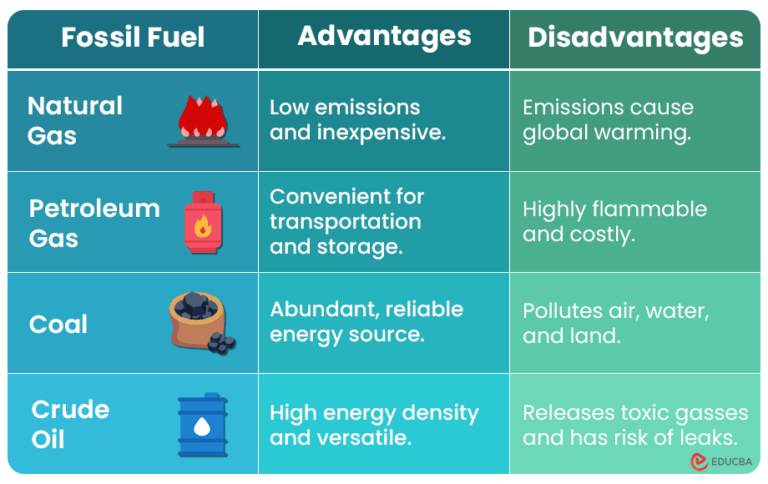
Okay, let's talk about the big one: climate change. Fossil fuels are a major contributor. Burning them releases greenhouse gases, like carbon dioxide.
These gases trap heat in the atmosphere. This leads to a warming planet. We're talking melting glaciers, rising sea levels, and more extreme weather.
Think about hotter summers, stronger storms, and disrupted ecosystems. Not exactly a chill beach vacation vibe.
Rising Sea Levels: Goodbye Coastline?
Those melting glaciers and ice sheets? They add water to the ocean. This causes sea levels to rise. Coastal communities are especially at risk.
Imagine losing beaches, homes, and even entire islands! It's a serious threat.
Even further inland, the consequences of rising sea levels will be felt. We all have a stake in protecting our coasts!
Extreme Weather: Nature's Fury Unleashed
Climate change also fuels more extreme weather events. Think hurricanes, droughts, and floods. These can be devastating.
They cause widespread damage and displacement. They also put a strain on resources and infrastructure.
Stronger storms mean more frequent and intense disasters. Getting ready for the future includes preparing for a changing climate.
Digging Deep: Environmental Destruction
Getting fossil fuels out of the ground can be messy. Mining and drilling can damage ecosystems. Think deforestation, habitat loss, and water contamination.

Oil spills are a particularly visible example. They can devastate marine life and pollute coastlines. It's a real tragedy.
Even routine extraction processes can have negative impacts. We need to consider the environmental cost of our energy sources.
Mining Mayhem: Tearing Up the Land
Coal mining, for example, often involves removing entire mountaintops. This can destroy habitats and pollute waterways. It's not a pretty picture.
Mining also releases harmful substances into the environment. These can contaminate soil and water. The effects can last for generations.
Careful regulation and responsible mining practices are essential. We need to minimize the environmental damage.
Drilling Dangers: Risky Business
Oil drilling can also be risky. Accidents can happen, leading to spills and leaks. These can have devastating consequences for the environment.
Even without accidents, drilling can disrupt marine ecosystems. Noise pollution can affect marine life. Seismic testing can also harm marine animals.
We must carefully weigh the benefits of oil drilling against the potential risks. The health of our oceans depends on it.
Health Hazards: Beyond Air Pollution
It's not just air pollution that's a concern. Exposure to fossil fuels and their byproducts can have other health effects. Workers in the industry are particularly at risk.
Some studies have linked fossil fuel exposure to increased risk of cancer and other diseases. It's a serious issue.
We need to protect workers and communities from these health hazards. Strong safety regulations are crucial.
Occupational Hazards: A Risky Job
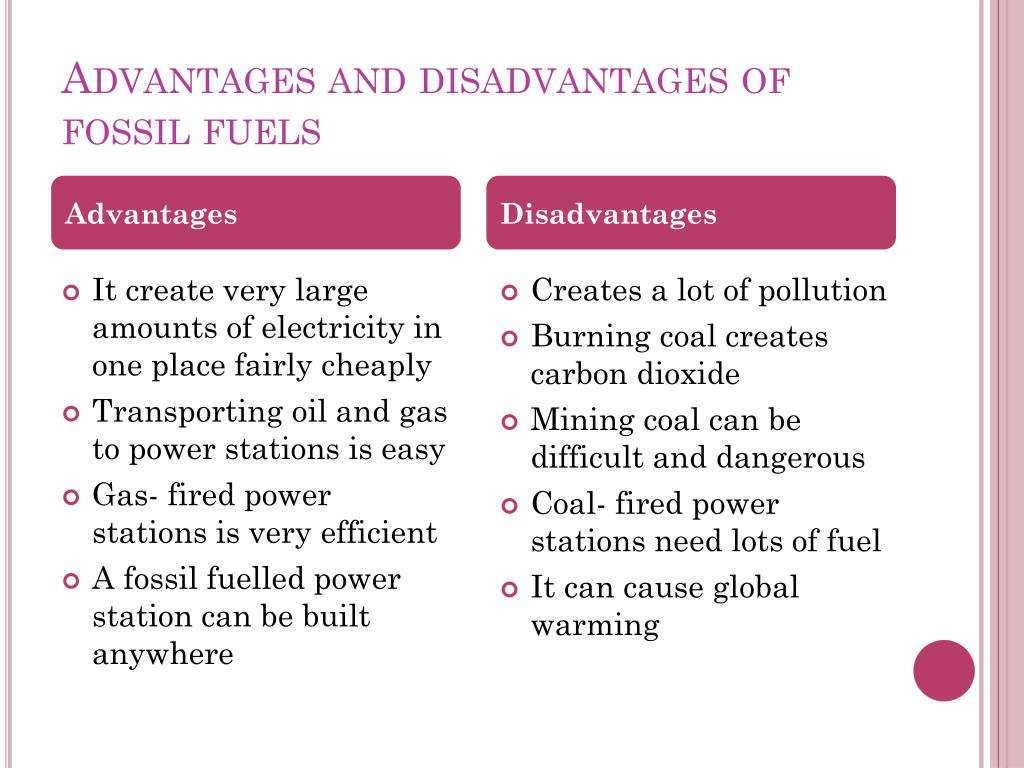
Mining and drilling are dangerous jobs. Workers face risks of accidents, explosions, and exposure to toxic substances. Workplace safety is a top priority.
Even with safety measures, accidents can happen. The consequences can be devastating. Worker safety must always come first.
Investing in safety training and equipment is essential. We must protect the people who work in the fossil fuel industry.
Community Concerns: Living Near Fossil Fuels
Communities that live near fossil fuel extraction sites often face health problems. Air and water pollution can affect their quality of life.
These communities may also experience noise pollution and other disturbances. It's important to consider the impacts on local residents.
Environmental justice is a key issue. We must ensure that all communities have a healthy environment.
Resource Depletion: Running on Empty
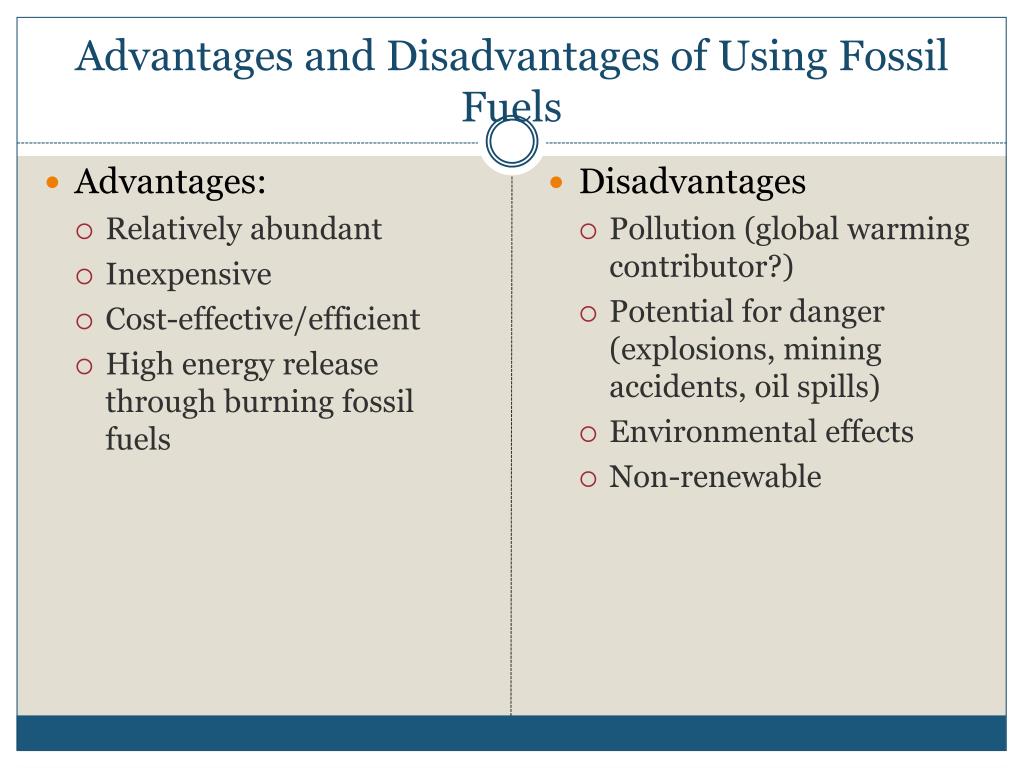
Fossil fuels are a finite resource. We're using them up faster than they can be replenished. Eventually, they will run out.
This means we need to find alternative energy sources. Relying on fossil fuels forever is not sustainable.
Investing in renewable energy is essential for a secure energy future. We need to transition to a more sustainable energy system.
The Peak Oil Problem: When Will We Run Out?
Some experts believe that we have already reached or will soon reach peak oil. This is the point when oil production starts to decline. It's a critical moment.
Peak oil could lead to energy shortages and price increases. We need to prepare for this possibility.
Developing alternative energy sources is crucial to mitigating the impacts of peak oil. We need to act now.
The Transition Challenge: Moving Beyond Fossil Fuels
Transitioning away from fossil fuels will not be easy. It will require significant investments in renewable energy. It will also require changes in our lifestyles.
But the benefits of a clean energy future are enormous. We can create a healthier environment and a more sustainable economy.
The transition to renewable energy is a challenge we must embrace. The future of our planet depends on it.
Geopolitical Issues: Fueling Conflict?
Fossil fuels can also be a source of geopolitical tension. Countries that control large reserves of oil and gas can wield significant power.
Competition for these resources can lead to conflict. It's a complex and dangerous situation.
Diversifying our energy sources can reduce our dependence on fossil fuels. This can promote peace and stability.
Energy Dependence: A Vulnerable Position
Countries that rely heavily on imported fossil fuels are vulnerable to price shocks and supply disruptions. Energy independence is a strategic goal.
Investing in domestic renewable energy sources can reduce our dependence on foreign oil. This can strengthen our economy and our national security.
Renewable energy offers a path to a more secure and independent energy future. It's a win-win situation.
Resource Curse: A Paradox of Plenty
Paradoxically, countries with abundant fossil fuel reserves can sometimes suffer from economic problems. This is known as the resource curse.
The resource curse can lead to corruption, inequality, and a lack of economic diversification. It's a complex challenge.
Transparent governance and sustainable development policies are essential to avoid the resource curse. We need to manage our resources wisely.
The Upside of Moving On
So, fossil fuels aren't all sunshine and rainbows. But don't despair! There are amazing alternatives. Think solar, wind, and geothermal energy. These are much cleaner and more sustainable.
Switching to these sources can create jobs, boost economies, and protect our planet. Sounds pretty good, doesn't it?
Let's explore these options and build a brighter future. One where we can all breathe easier, literally!
Renewable Energy: A Breath of Fresh Air
Renewable energy sources are clean and sustainable. They don't produce greenhouse gases or air pollutants. They are a much better choice for our planet and our health.
Renewable energy is becoming increasingly affordable. In many cases, it is now cheaper than fossil fuels. The economic benefits are clear.
Investing in renewable energy is an investment in our future. It's a smart move for our planet and our economy.
Energy Efficiency: Doing More With Less
Energy efficiency is another key part of the solution. By using less energy, we can reduce our reliance on fossil fuels. It's a simple but effective strategy.
Energy efficiency can save us money and reduce our carbon footprint. It's a win-win situation.
From energy-efficient appliances to better insulation, there are many ways to improve energy efficiency. Let's make smart choices.