What Are The Disadvantages Of Nuclear Power
Okay, so picture this: I'm at a party, trying to make small talk (as one does), and someone asks me what I think about nuclear power. I, of course, launch into a passionate, slightly-too-loud monologue about... well, everything except the downsides. Because, honestly, sometimes it's easier to focus on the shiny, clean energy aspect, right? But later, I thought, "Wait a minute... what are the drawbacks?" It's a fair question, and one we should all be asking. Let's dive into it, shall we?
So, what's the catch with this seemingly amazing power source? Let's start with the big one:
The Ever-Present Threat of Nuclear Accidents
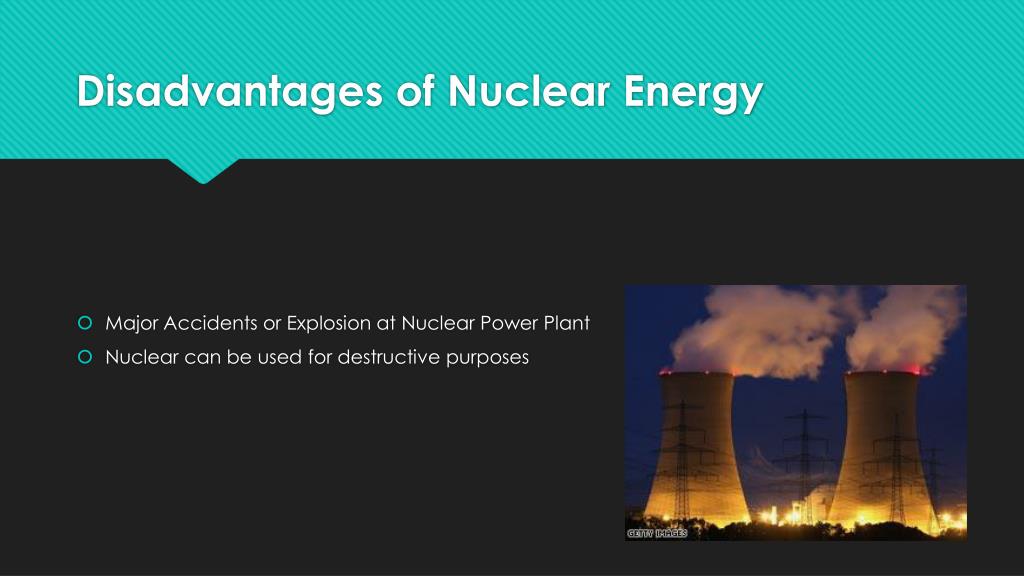
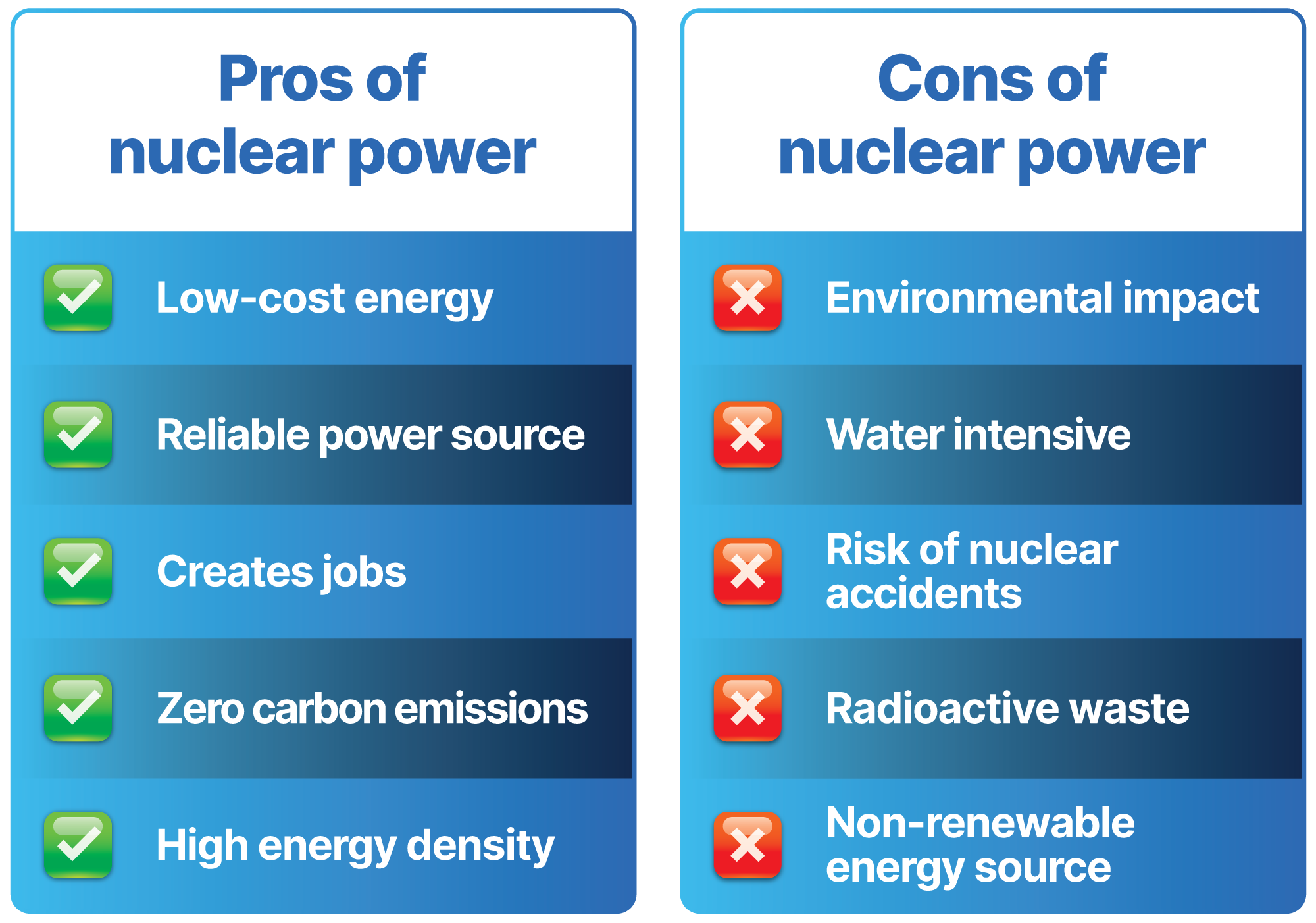
Let’s be real – the word “nuclear” often conjures images of Chernobyl and Fukushima. And for good reason! These catastrophic events serve as stark reminders of the potential for devastating accidents. We are talking about the possibility of releasing massive amounts of radioactive material into the environment.
Must Read
Think about it: a major earthquake, a tsunami, a design flaw, or even just human error could trigger a meltdown. The consequences? Long-term health problems, contaminated land, and displaced populations. Suddenly, that "clean energy" label feels a little less appealing, doesn't it?
Radioactive Waste: The Gift That Keeps on Giving...For Thousands of Years
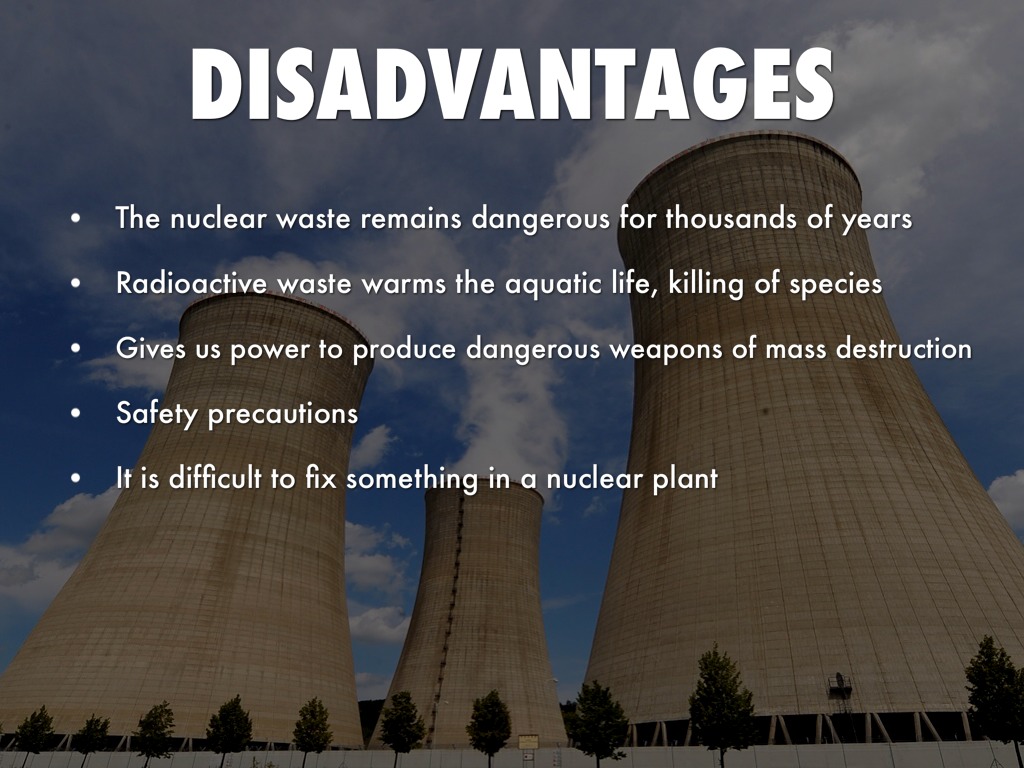
Here’s another fun fact: Nuclear power plants produce radioactive waste. Loads of it. And this waste remains radioactive for, well, practically forever. We’re talking thousands of years! What do we do with it? We bury it deep underground (mostly). Is that a perfect solution? Debatable. To put it bluntly – no one wants a nuclear waste dump in their backyard.
Long-term storage is a massive challenge. We need to ensure that this waste is safely contained for generations to come, protecting future populations from exposure. And who knows what technological advancements (or lack thereof) future generations will have to deal with this legacy?
The High Cost of Construction and Maintenance
Building a nuclear power plant is incredibly expensive. We're talking billions of dollars. And that’s before you even factor in the cost of operating and maintaining the facility. These huge upfront costs can make nuclear power a less attractive option compared to other energy sources, especially when renewable energy technologies are becoming increasingly affordable.
Funding for nuclear projects often relies on heavy government subsidies and long-term contracts. This can create economic risks and make the projects vulnerable to political shifts.

Nuclear Proliferation: A Worrisome Connection
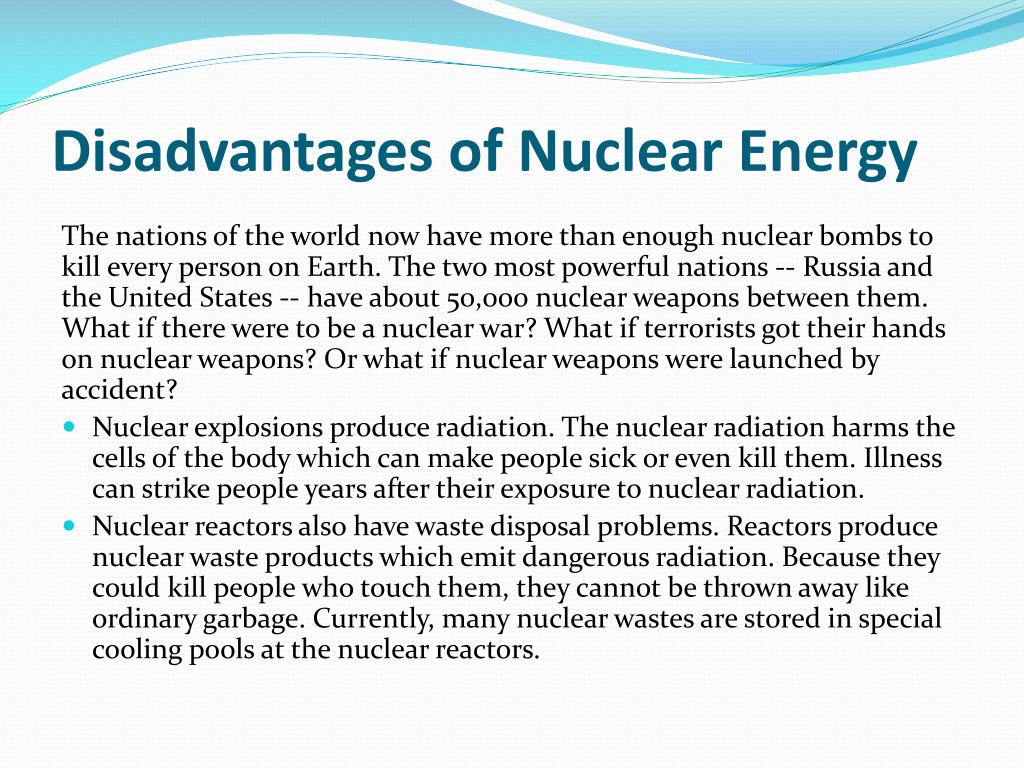
This is a tough one. The technology used in nuclear power plants can, in theory, be diverted to produce nuclear weapons. The more countries that have access to nuclear technology, the greater the risk of proliferation. And that's a risk nobody wants.
Strict international safeguards are in place to prevent this, but the potential for misuse always exists. It's a delicate balance between harnessing nuclear power for energy and preventing its use for destructive purposes.
Security Concerns: Vulnerable to Attack
Nuclear power plants are critical infrastructure, and as such, they are potential targets for terrorist attacks. A successful attack could release massive amounts of radioactive material, with catastrophic consequences. Security measures are, of course, very strict, but the possibility of a breach always exists. It’s a constant game of cat and mouse, trying to stay one step ahead of potential threats. It is hard to ignore the fact that the world we live in today is becoming increasingly unstable.
Environmental Impact (Besides the Obvious)
While nuclear power doesn't produce greenhouse gases during operation (a major plus!), the nuclear fuel cycle, from mining uranium to decommissioning plants, does have an environmental footprint. Uranium mining can disrupt ecosystems and release harmful substances. The construction of nuclear plants themselves also involves significant land use and habitat disruption. It's never quite as simple as "clean vs. dirty," is it?
Okay, so there you have it. The disadvantages of nuclear power, in a nutshell. It's not all sunshine and roses (or, you know, clean, emissions-free energy). There are significant risks and challenges that need to be carefully considered. But, as with most things, it's not a black-and-white issue. The debate continues!