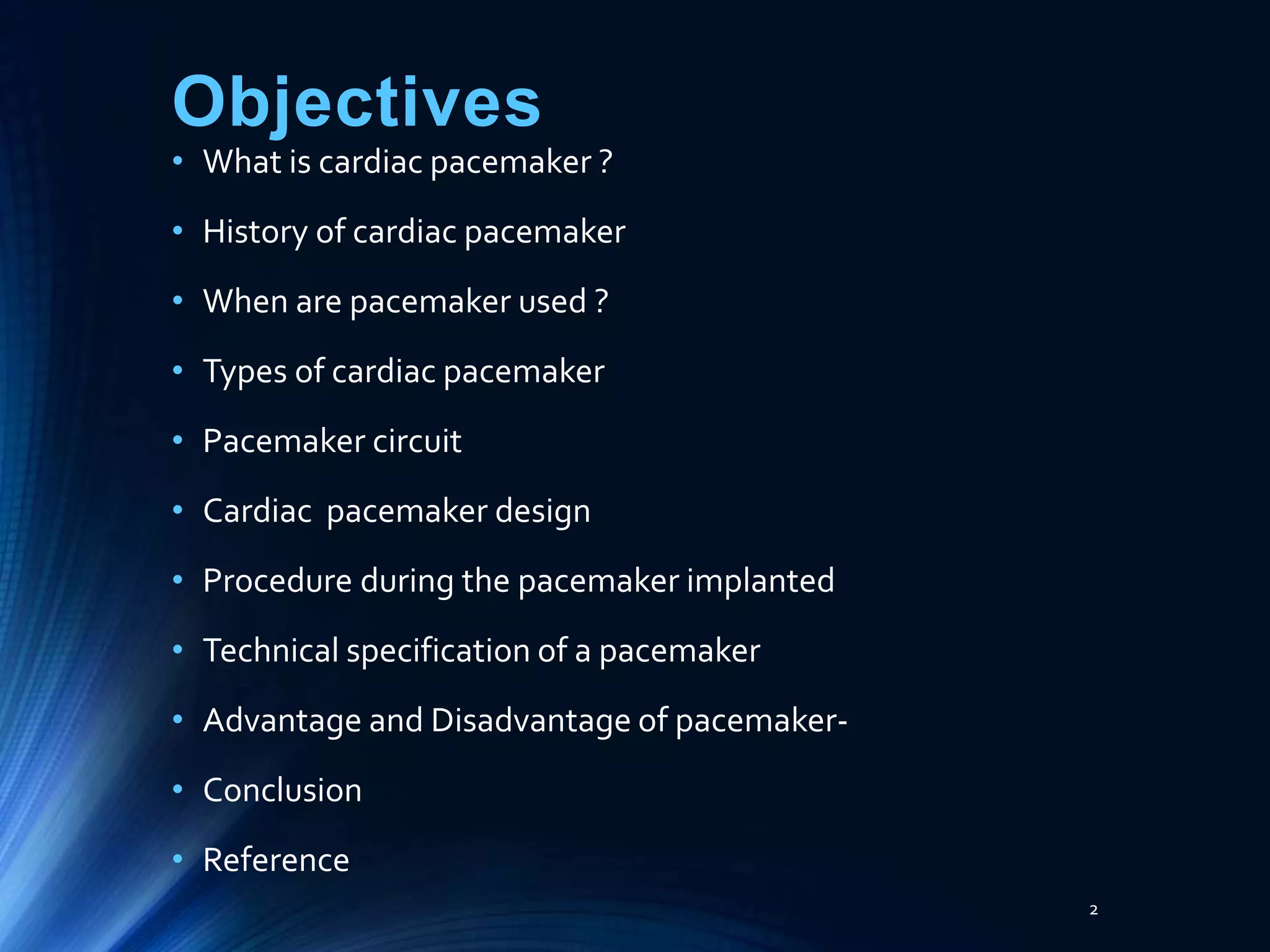
What Are The Disadvantages Of Having A Pacemaker
Okay, picture this: my grandma, bless her heart, just got a pacemaker. She's thrilled because, you know, not collapsing randomly is generally considered a good thing. But the other day, she tried to use one of those fancy airport body scanners and, well, let's just say the security folks got very interested in her chest area. That got me thinking: pacemakers are amazing, life-saving devices, but are there any downsides? Turns out, yes. Buckle up, folks, we're diving in.
First off, let's be clear: a pacemaker is a tiny electronic device implanted in your chest to help your heart beat regularly. It's like a little cheerleader for your ticker, making sure it doesn't slack off. But even the best cheerleaders can have their off days...or, in this case, drawbacks.
The "It's Not All Sunshine and Rainbows" Part
One of the biggest concerns is the risk of complications from the surgery itself. Insertion is a surgical procedure, and surgery always carries some risks. Think infection, bleeding, or even damage to nearby blood vessels. Not exactly a picnic, is it? Your doctor will explain all this, of course, but it's good to be aware beforehand.
Must Read
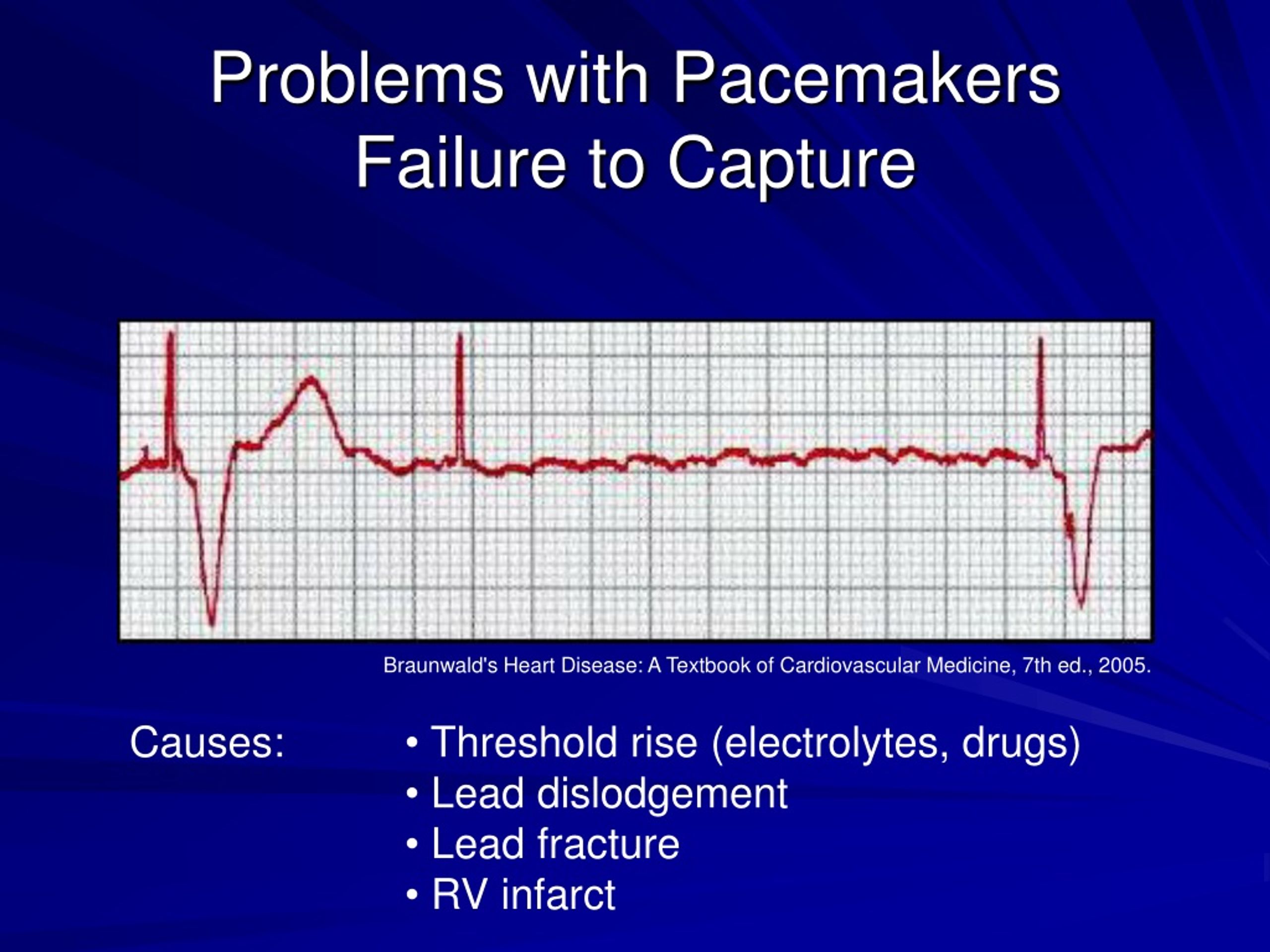
Then there's the potential for device malfunction. These things are high-tech, but they're not infallible. The battery could fail (eventually they all do!), the leads (the wires connecting the pacemaker to your heart) could break or become dislodged, or the device itself could simply...go haywire. While rare, it's definitely a "what if" scenario worth considering. Imagine your heart rhythm going rogue because your little metal pal decided to take a nap. Not ideal.
And speaking of batteries, remember what I said about them eventually failing? That means you'll need replacement surgeries down the line. Fun times! (Okay, maybe not so fun). Another surgery, more recovery time, and the associated risks all over again. It's just part of the pacemaker life, unfortunately.

Electromagnetic interference (EMI) is another potential headache. Things like strong magnetic fields or certain types of electrical equipment can mess with the pacemaker's function. Remember my grandma at the airport? Yeah, EMI. You might have to be careful around things like MRI machines (major bummer if you need one), high-voltage power lines, and even some types of industrial equipment. It's not about living in a bubble, but being mindful of your surroundings. Do you work near a giant magnet? Time to have a chat with your doctor.
Lifestyle adjustments are also part of the deal. While you can usually resume most of your normal activities, there might be some restrictions. Contact sports are often discouraged to avoid damaging the pacemaker or leads. And you'll probably need to avoid heavy lifting or strenuous arm movements, especially in the beginning. Basically, you might have to tone down your inner superhero.
Let's not forget the psychological impact. Having a device implanted in your chest can be a constant reminder of your heart condition. Some people experience anxiety, depression, or just a general feeling of unease. It's totally normal to feel a bit weirded out by it, especially at first. Talking to a therapist or support group can be super helpful if you're struggling with the emotional side of things. It's not just about the physical health, right? Mental health matters too!
And finally, there's the cost. Pacemakers and the associated surgeries can be expensive. The device itself, the hospital stay, the doctor's fees...it all adds up. Insurance usually covers most of it, but you'll still likely be responsible for deductibles, co-pays, and other out-of-pocket expenses. Ouch! Make sure you understand your insurance coverage before going ahead with the procedure.
The Bottom Line
Look, pacemakers are often life-saving devices. For many people, the benefits far outweigh the risks. But it's important to go into it with your eyes wide open, knowing what to expect and being prepared for the potential downsides. It's a partnership between you and your pacemaker, so make sure you're both on the same page (or, you know, beating to the same rhythm). Ask your doctor all the questions, do your research, and make an informed decision that's right for you. And maybe, just maybe, invest in a cute medical ID bracelet. Safety first, friends!