What Are The Disadvantages Of An Inverter Generator
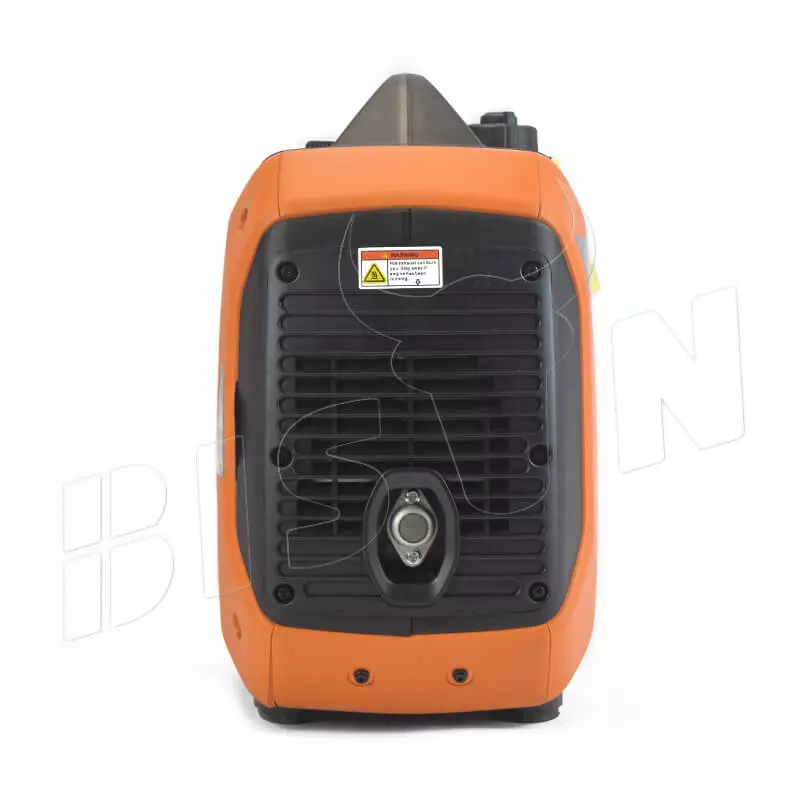
Okay, okay, I know. Inverter generators are the darlings of the power world. Quiet! Efficient! So portable! But let's be honest for a sec. Are they perfect? Nope! And while everyone is busy singing their praises, I'm here to whisper a few, shall we say, "unpopular" truths.
They're Pricey Little Buggers
Let's get the big one out of the way first. Inverter generators are expensive. Like, "maybe I should just buy a really, REALLY long extension cord" expensive. You're paying a premium for that fancy sine wave technology, and all those extra bells and whistles. It's like buying a designer handbag compared to a perfectly functional, slightly-less-chic tote bag. Both carry your stuff, right?
Sure, you might argue about the long-term benefits. But when you're staring down the barrel of a hefty price tag, trying to justify it for that one camping trip a year...it can be a tough sell. My wallet certainly cries a little.
Must Read
Power? More Like Power-ish
Don't get me wrong, for many uses, inverter generators pack a decent punch. But let's be realistic. Compared to a traditional generator, you're often sacrificing raw power. Need to run a power-hungry appliance like an air conditioner? Better check those wattage ratings very carefully. You might find yourself needing to upgrade to a bigger, more expensive inverter generator. Or, gulp, even… a traditional one.
It's like trying to tow a boat with a compact car. It might work, but are you really going to risk it? I'd rather have a truck – or in this case, a generator that isn’t afraid to grunt a little.

The Delicate Flower Syndrome
Here's another secret. Inverter generators, with all their fancy electronics, can be a bit...sensitive. They don't always love rough handling. Bumping around in the back of a truck on a bumpy road? Dust and dirt getting into all the nooks and crannies? They might start acting up.
My old, beat-up traditional generator? That thing laughs in the face of dirt. I’ve practically left it out in the rain before (don’t tell anyone!). Inverter generators require a little more babying. Think of it as the difference between a sturdy pair of work boots and a pair of delicate stilettos.
Repairs: Prepare Your Bank Account
Speaking of sensitive, repairs can be a real pain. All that advanced technology means you can’t just tinker with it yourself (unless you're an electrical engineer with a penchant for miniature circuits). Taking it to a repair shop could lead to some eye-watering bills. Parts can be expensive and finding a qualified technician might be tricky in some areas.

My grandpa could fix anything on his old generator with a wrench and some duct tape. Try doing that with an inverter generator! Good luck. You’ll probably need a specialized computer diagnostic tool. My wallet just shivered again.
Parallel Capability: Nice, But Not Always Necessary
Okay, the parallel capability is cool. You can link two inverter generators together for more power. But honestly, how often are you really going to do that? And guess what? That requires buying another expensive inverter generator! It seems like a solution to a problem that most people don’t actually have very often.
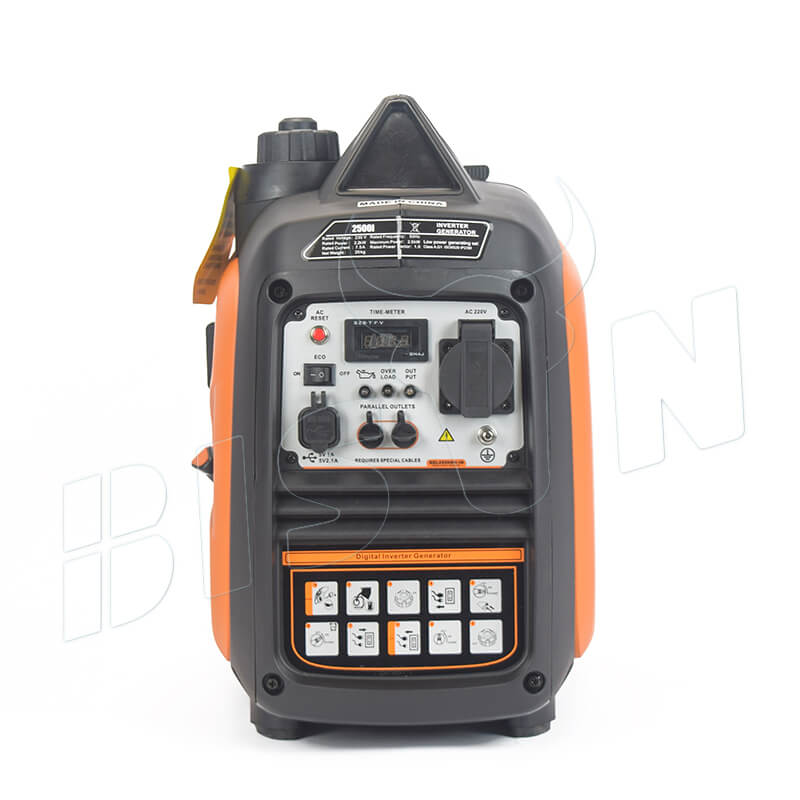
It’s like buying a second car “just in case” you need to move furniture. Sure, it's an option. But wouldn't a rental truck be a cheaper, more practical solution in that specific scenario?
In Conclusion (Before the Inverter Fan Club Storms My Door)
Look, I’m not saying inverter generators are bad. They have their place. If you absolutely need super-quiet operation and pristine power for sensitive electronics, they're a great choice. But let’s not pretend they're the perfect solution for everyone. Sometimes, the old-school generator, with all its noise and grumble, gets the job done just fine. And sometimes, it does it cheaper, too! Plus, I find its rumbling strangely comforting. Like a mechanical lullaby. Maybe that's just me...
So, the next time you’re tempted by the siren song of the inverter generator, just pause for a moment. Consider your needs, your budget, and your tolerance for potentially delicate technology. You might find that the less-shiny, less-expensive option is actually the better fit. And if it is, well, you can thank me later.