What Are The Different Types Of Solar Energy
Solar energy! It sounds futuristic, but it's actually pretty straightforward, and exploring the different types is way more interesting than you might think. Whether you're a complete beginner, a family looking to save some money, or a weekend hobbyist, understanding solar energy can unlock some cool possibilities. Plus, who doesn't love the idea of harnessing the power of the sun?
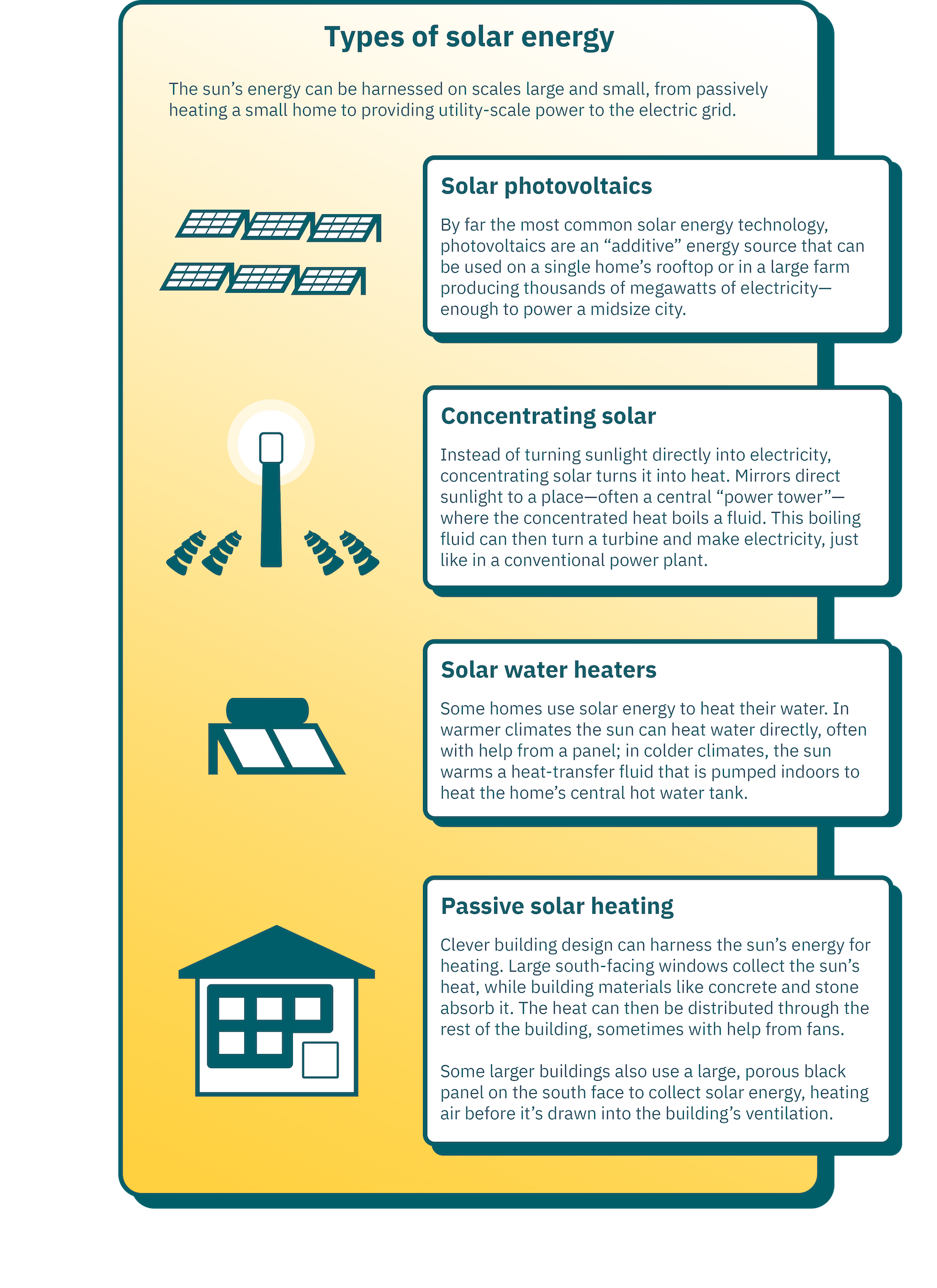
So, what are the different ways we can tap into that giant ball of fire in the sky? Let's break it down. There are primarily three main types of solar energy:
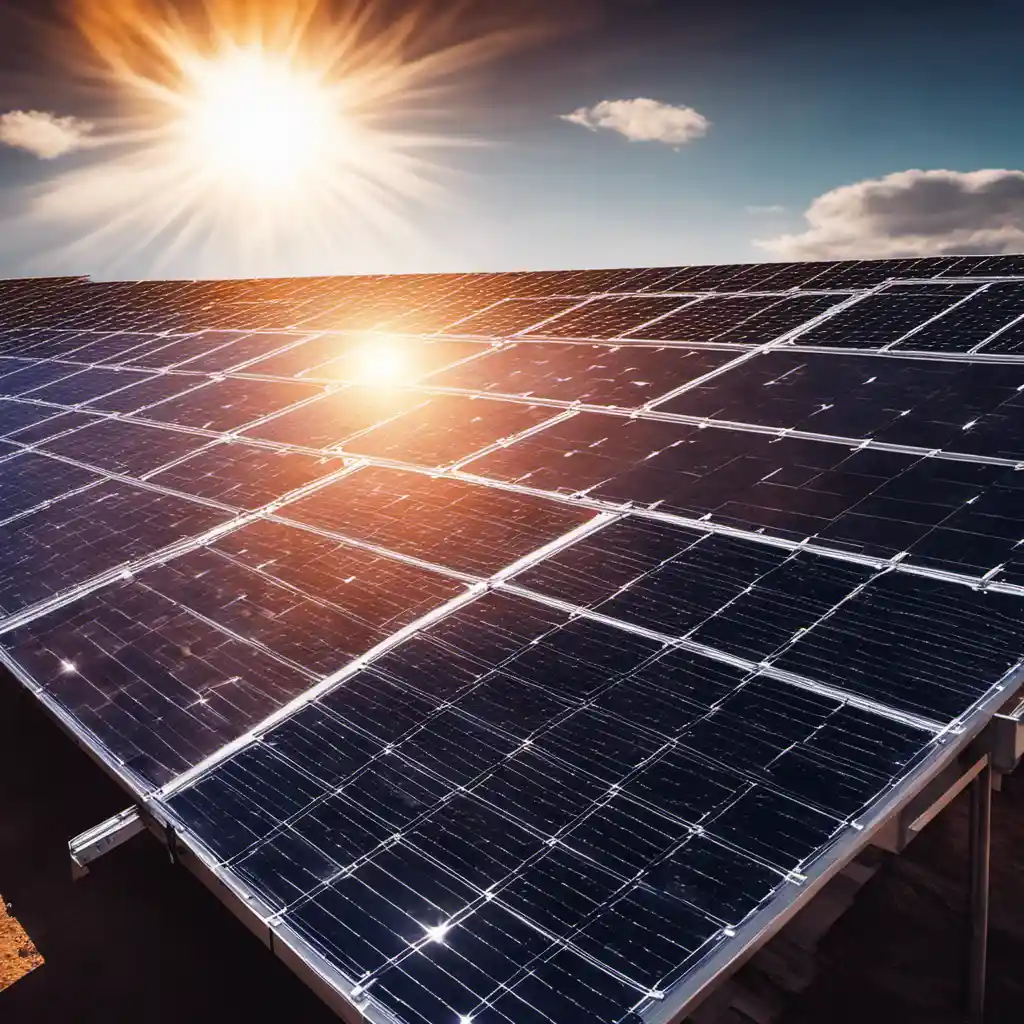
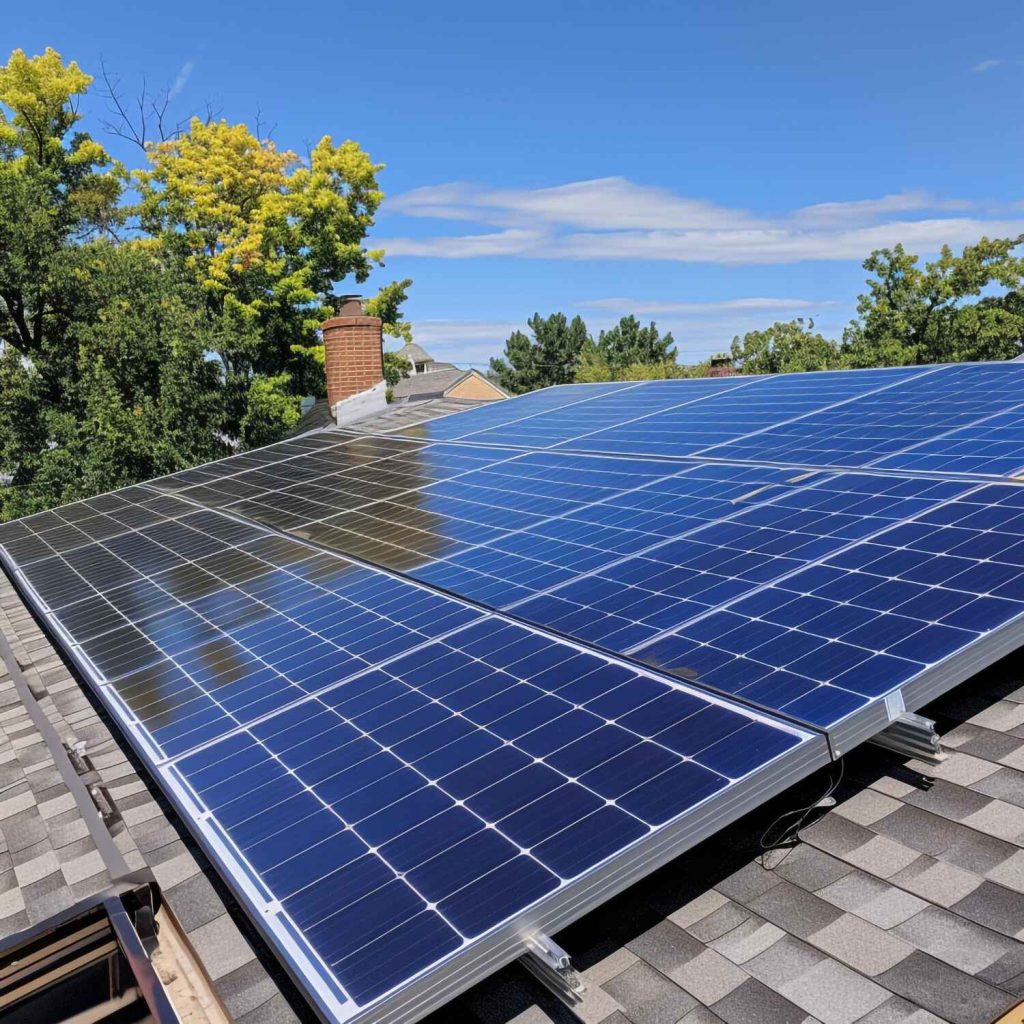
1. Photovoltaic (PV) Solar Panels: This is probably what you picture when you think of solar energy. PV panels are those dark, rectangular panels you see on rooftops. They're made of materials that convert sunlight directly into electricity. Think of them like tiny electricity factories, powered by photons! For beginners, this is the most common and accessible form of solar energy. For families, installing PV panels can significantly reduce your electricity bills. And for hobbyists, building a small, off-grid PV system for a shed or cabin can be a rewarding project.
Must Read
Variations: You'll find different types of PV panels like monocrystalline (more efficient, often black) and polycrystalline (slightly less efficient, often blue). There are also thin-film solar cells, which are more flexible and lightweight but typically less efficient.
2. Solar Thermal Energy: Instead of converting sunlight directly into electricity, solar thermal systems use sunlight to heat water or air. Think of it like using a magnifying glass to focus sunlight. These systems can be used for various purposes, from heating water for your home to powering large-scale industrial processes. For beginners, a simple solar water heater is a great introduction. Families can benefit from reduced water heating costs. And hobbyists might enjoy building a solar oven or a small-scale solar air heater.

Variations: Solar thermal systems come in different forms, including flat-plate collectors (common for home water heating) and concentrated solar power (CSP) systems, which use mirrors to focus sunlight on a central receiver to generate electricity in power plants.
3. Concentrated Solar Power (CSP): We touched on this briefly above. CSP is usually used in large power plants. It utilizes lenses or mirrors to focus a large area of sunlight onto a small area. Electrical power is produced when the concentrated light is converted to heat, which drives a heat engine (usually a steam turbine) connected to an electrical power generator. This method is less suitable for homes or smaller applications, but it's essential for large-scale renewable energy production.

Variations: There are several types of CSP systems, including parabolic trough systems, solar power towers, and dish Stirling systems, each using different methods to concentrate sunlight.
Getting Started: Where do you begin if this sparks your interest?
- Research: Start by researching the different types of solar energy and which one best suits your needs and budget.
- Small Projects: Consider building a small solar project, like a solar phone charger or a simple solar water heater. There are tons of DIY guides online.
- Consult Professionals: If you're thinking about installing solar panels on your home, get quotes from multiple solar installers.
- Incentives: Look into government incentives and rebates for solar energy installations.
Exploring solar energy can be a fun and rewarding experience. Whether you're saving money, reducing your carbon footprint, or just enjoying the challenge of a new hobby, tapping into the power of the sun is a bright idea!