
What Are The Different Kinds Of Light Bulbs

Hey there, light lover! Ever stare at a light bulb aisle and feel…lost? Yeah, me too. It's a jungle of watts, lumens, and confusing acronyms. But fear not! Let’s demystify those glowing orbs. We'll have fun exploring the weird and wonderful world of light bulbs. Ready?
Incandescent: The OG Bulb
First up, the classic! Think Thomas Edison. Think warm, inviting glow. This is the incandescent bulb. It works by heating a tiny wire (a filament) until it glows. Super simple. Super…inefficient.
Fun fact: Incandescent bulbs convert only about 5% of the electricity they use into light! The rest? Pure heat. Perfect for warming up your lizard enclosure, not so perfect for your electricity bill.
Must Read
But hey, that warm, nostalgic glow? Can't beat it. They're like the vinyl records of the lighting world. A bit outdated, but still loved for their unique character.
Halogen: Incandescent's Hotter Cousin
Meet halogen bulbs. They're like incandescent bulbs, but on steroids. They use a halogen gas (iodine or bromine) inside the bulb. This lets the filament burn hotter and brighter. Woo!
They’re more efficient than standard incandescent bulbs, but still not exactly energy-saving champions. Think of them as the sports car of light bulbs. Fast, flashy, and a bit of a gas guzzler.
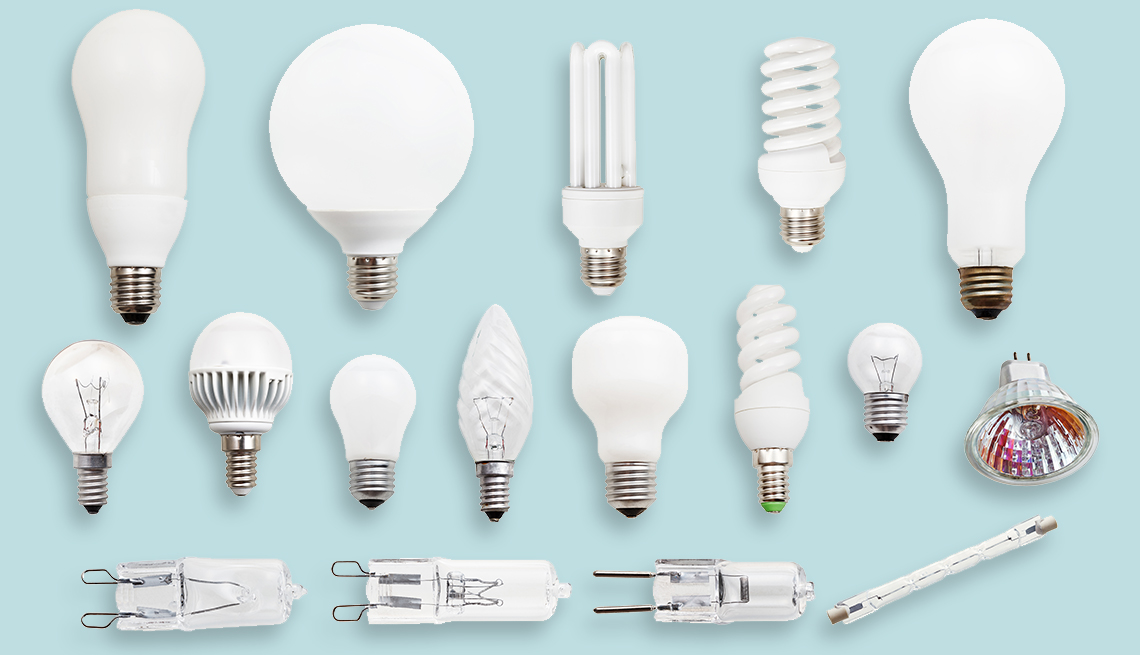
Quirky detail: Halogen bulbs are extremely sensitive to oils from your skin. If you touch the bulb directly, it can shorten its lifespan. So, always use gloves or a clean cloth when handling them. Pretend they are delicate jewels.
CFL: The Curly Fry of Lighting
Next, we have CFLs (Compact Fluorescent Lamps). Remember these swirly guys? They were all the rage for a while, promising huge energy savings. And they delivered…sort of.
CFLs work by passing an electric current through a gas containing mercury. This excites the gas, causing it to emit ultraviolet light. That light then hits a coating inside the bulb, which glows as visible light. Complicated, right? Way more complex than a simple filament.

Funny thought: They look like someone took a fluorescent tube light and bent it into a pretzel. They’re a little strange. They are like alien technology compared to old incandescent bulbs.
While CFLs are more efficient than incandescent bulbs, they do contain mercury. So, you need to dispose of them properly. Don't just toss them in the trash! Recycling is key.
LED: The Shining Star
Now, let's talk about the reigning champ: LEDs (Light Emitting Diodes). These little powerhouses are super efficient, long-lasting, and come in a zillion colors and styles. They're basically the superheroes of the lighting world.

LEDs work by passing an electric current through a semiconductor material. This causes the material to emit light. No filament, no gas, just pure, solid-state awesomeness.
Why are LEDs so great? They use a fraction of the energy of incandescent bulbs, last for years (sometimes decades!), and don't contain any harmful materials. Plus, they're incredibly versatile. You can find LED bulbs that mimic the warm glow of incandescent bulbs or create bright, cool light for task lighting.
Quirky fact: The color of an LED light is determined by the chemical composition of the semiconductor material. So, different chemicals create different colors. It’s like a tiny, glowing chemistry experiment happening inside the bulb!

Other Bulbs: The Oddballs
Of course, there are other types of light bulbs out there. Fluorescent tubes are common in offices and shops. They are long and skinny. High-intensity discharge (HID) lamps are used for street lighting and stadiums. They're super bright and powerful. But, for home use, you’ll mostly be dealing with the four main types we’ve discussed.
So, what's the takeaway? Choosing the right light bulb can seem daunting, but it doesn't have to be. Consider the brightness you need (lumens), the color temperature you prefer (warm or cool), and the energy efficiency. And don't be afraid to experiment! Lighting can completely change the mood of a room.
Now go forth and illuminate your world! And remember, a little light bulb knowledge can brighten up your day (and your electricity bill!). You got this!