What Are The Conditions Needed For A Hurricane To Form
Ever wondered how those swirling, scary storms we call hurricanes come to life? It's not just random chaos; it's a perfect, albeit terrifying, recipe! Think of it like baking a really, really dangerous cake. You need specific ingredients and the right oven settings to get it just... right. Or in this case, catastrophically wrong!
The Warm Water Wonderland
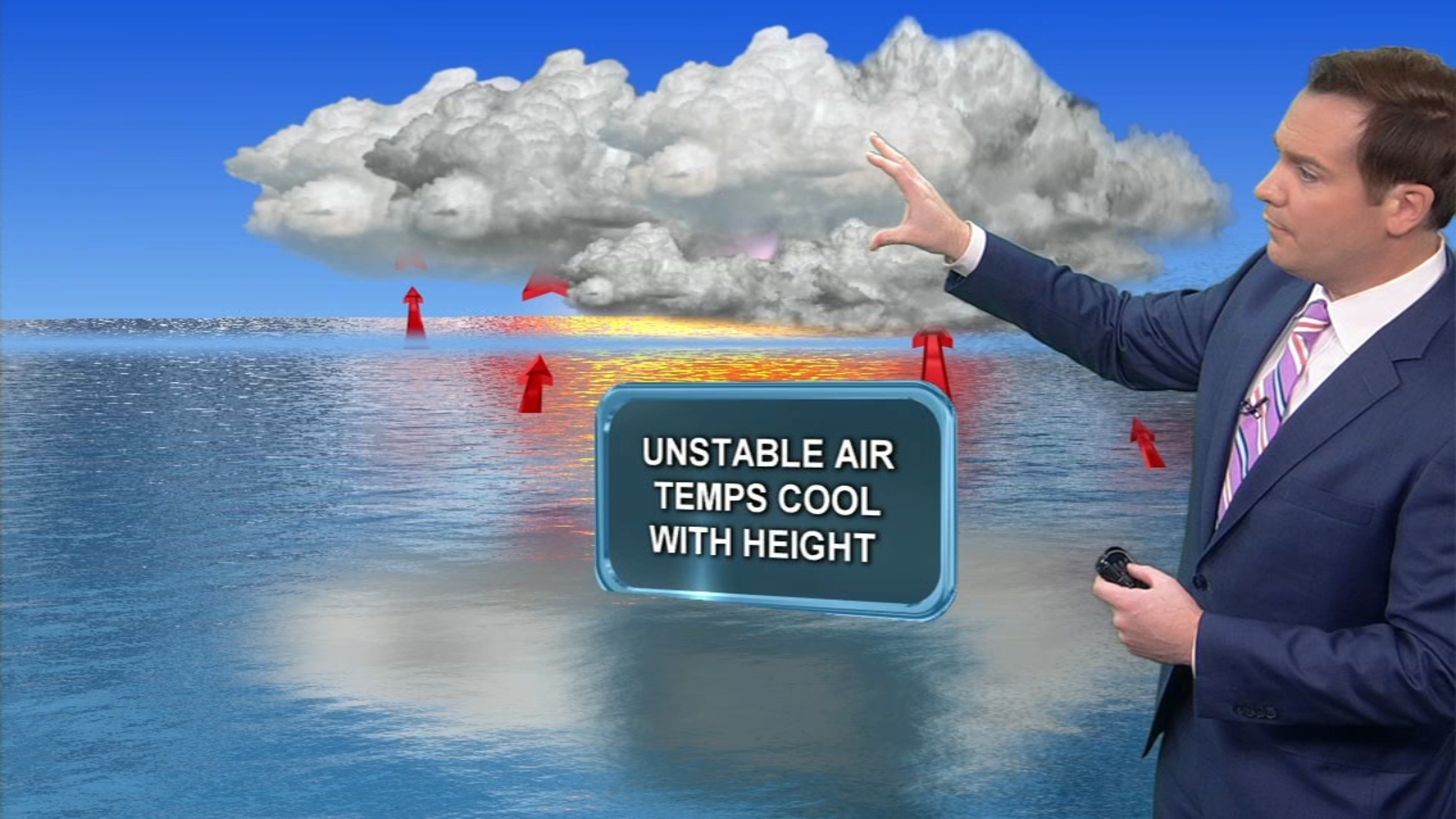
First up, you absolutely, positively need warm ocean water. We're talking bathwater warm, at least 80°F (27°C) for a good depth. Why? Because warm water is like the hurricane's super-powered energy drink. It's what fuels the whole shebang. Imagine trying to win a marathon fueled only by ice water – you'd be toast! The hurricane needs that warm water to evaporate, creating the humid air that becomes its lifeblood.
Think of it this way: The ocean is like a giant stove. And the hotter the stove, the more steam (or in this case, evaporated water) rises into the air. More steam equals a bigger, badder hurricane!
Must Read
A Favorable Atmosphere
But warm water alone isn't enough. We also need the right atmospheric conditions. Picture the atmosphere as a picky restaurant critic. It needs everything just so, or it's going to shut the whole thing down!
Low Vertical Wind Shear: The Anti-Spoiler
One crucial ingredient is low vertical wind shear. What in the world is that, you ask? Imagine a stack of pancakes. You want them to stay nicely stacked, right? Vertical wind shear is like someone trying to blow your pancake stack over with a hairdryer. If the wind changes too much in speed or direction as you go up in the atmosphere, it will tear the developing storm apart. Hurricanes need that nice, stable pancake stack of air to grow properly.
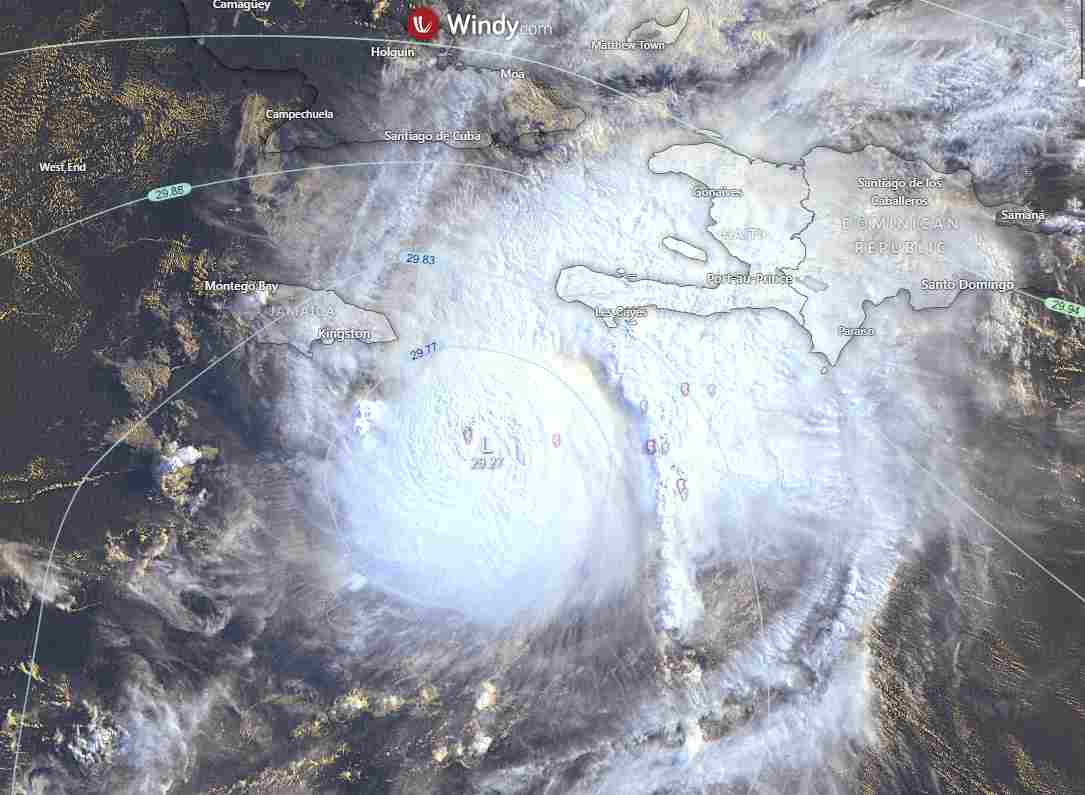
So, low wind shear is essential for keeping the hurricane structure intact. It's the unsung hero preventing our storm from turning into a disorganized mess.
Moist Air in the Mid-Troposphere: Hydration is Key!
Another critical factor is moist air in the mid-troposphere. The troposphere is the lowest layer of the atmosphere, where all the weather happens. You can think of this moisture as another layer of fuel. As the warm, moist air rises from the ocean surface, it needs to stay moist as it climbs higher. Dry air would suck up the moisture and weaken the storm. It's like trying to build a sandcastle with dry sand – it just crumbles!

The Coriolis Effect: The Spin Doctor
And finally, we need the magical ingredient that gives hurricanes their spin: the Coriolis effect. This is a force caused by the Earth's rotation. It's what makes water swirl down the drain in a certain direction (depending on which hemisphere you're in!). Near the Equator, the Coriolis effect is too weak to get the spin going. That's why hurricanes almost never form right on the Equator. They need a little bit of distance from it to get that swirling motion going.
Think of the Coriolis effect as the twist in a delicious soft-serve ice cream cone. Without that twist, it's just a pile of melted goo. The Coriolis effect gives hurricanes their characteristic spiral shape and helps them organize.
Putting it All Together
So, there you have it! The recipe for a hurricane: warm ocean water, low vertical wind shear, moist air in the mid-troposphere, and the Coriolis effect. When these conditions come together just right (or terribly wrong!), a hurricane can be born. Thankfully, meteorologists are getting better and better at predicting these dangerous storms, giving us time to prepare and stay safe. So, next time you hear about a hurricane forming, you'll know the crazy cocktail of atmospheric conditions that made it happen!