What Are The Characteristics Of Alkali Metals

Ever heard of Alkali Metals? They're not something you find in your pantry, but they're definitely worth knowing about. Think of them as the rockstars of the periodic table – super reactive, a little bit wild, and always ready to put on a show. Let's dive in and see what makes them so special!
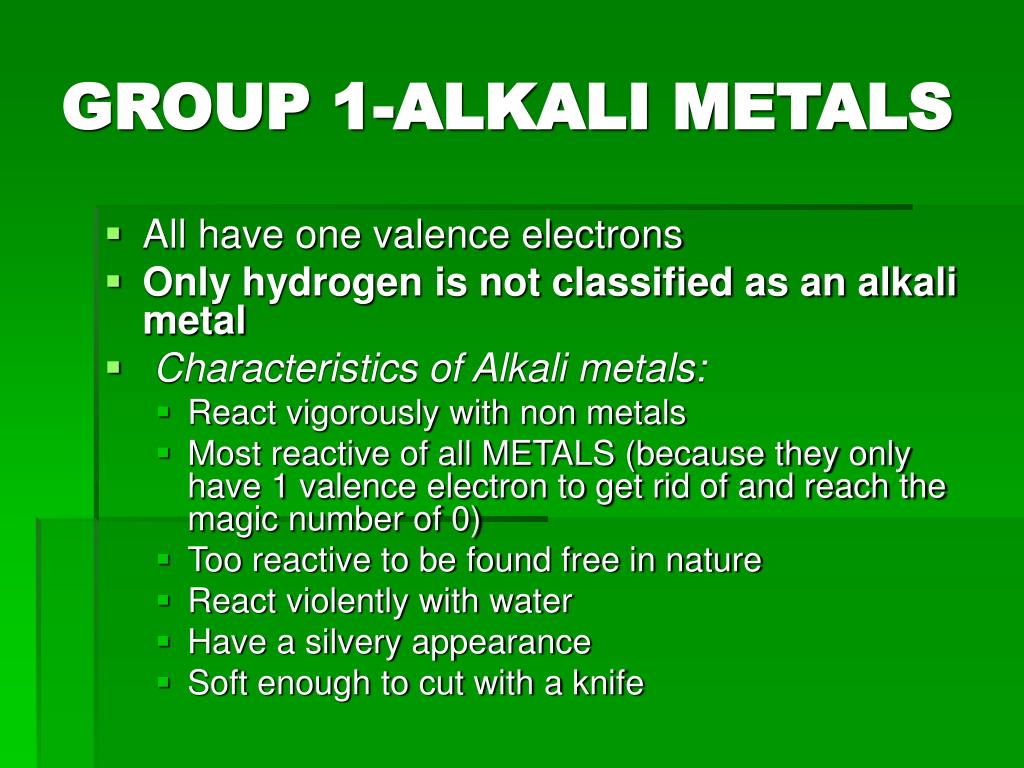
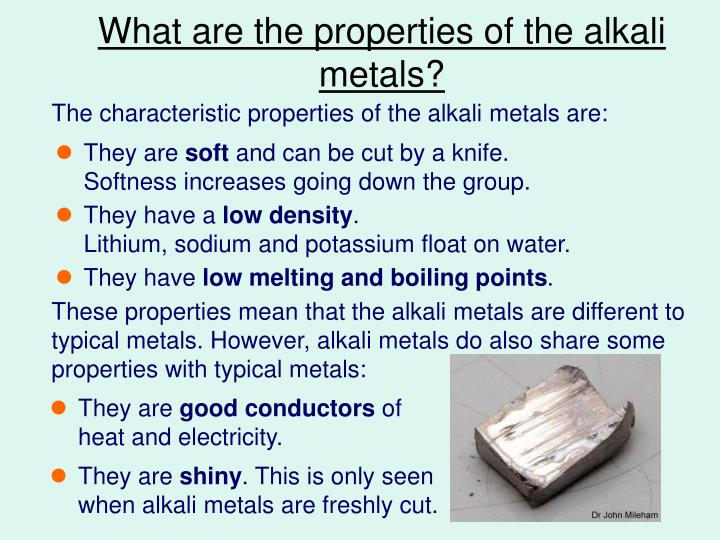
Shiny and Soft: Not Your Typical Metals
First off, forget everything you think you know about metals. Iron is hard and strong, right? Gold is…well, gold. But alkali metals are different. They're so soft you can cut them with a butter knife! Seriously! Try that with your silverware and you'll have a bad time.
They also have a beautiful, shiny surface, but don't get too attached. That shine disappears pretty quickly when they're exposed to air. Why? Because these guys are so keen on reacting that they can't resist grabbing oxygen (and other things) from the air, tarnishing their surface. Think of it like a celebrity trying to go incognito but getting mobbed by fans the moment they step outside.
Must Read
Reactivity: Ready to Rumble!
This is where the alkali metals really shine (or should we say, react!). These metals are famous, or maybe infamous, for their extreme reactivity. This means they love to combine with other elements to form new compounds. It's like they're constantly looking for a partner for a chemical dance.
The most common dance partner? Water! And trust us, this dance is explosive (sometimes literally!). Drop a small piece of an alkali metal into water, and you'll get a fizzing, sparking, maybe even flaming reaction. The bigger the alkali metal, the bigger the reaction. It's like a chemical volcano erupting in your lab (though we really don't recommend trying this at home!).
This reactivity is all thanks to their atomic structure. Each alkali metal has just one lonely electron in its outermost shell. It's desperate to get rid of it, like someone trying to offload a bad sweater at a yard sale. When it finds an element willing to take that electron (like oxygen or chlorine), it's all too happy to oblige, releasing a whole lot of energy in the process. This is why they form what scientists called an ionic bond.
Family Matters: Meet the Alkali Metal Crew
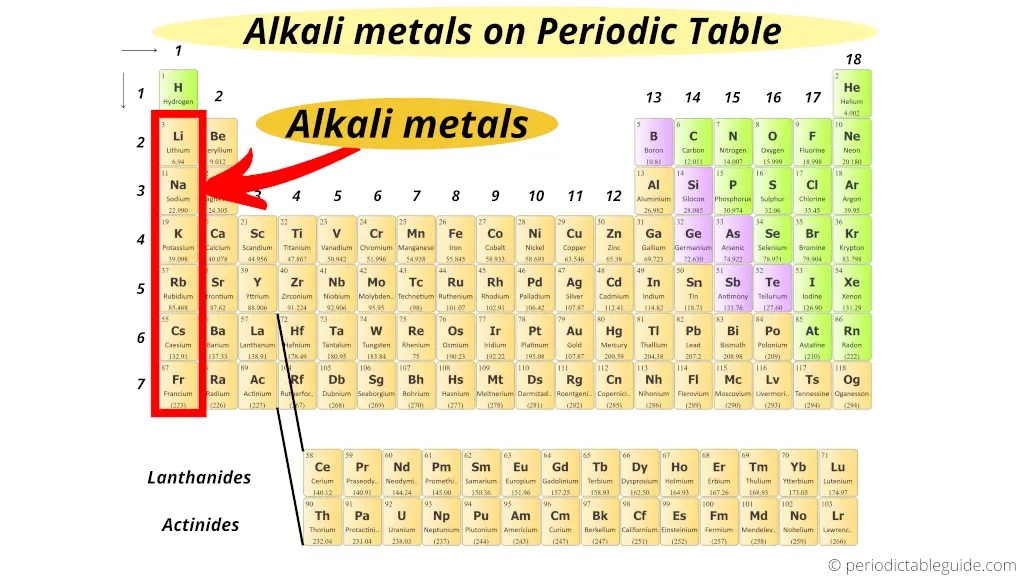
So, who are these chemical daredevils? The alkali metal family consists of:
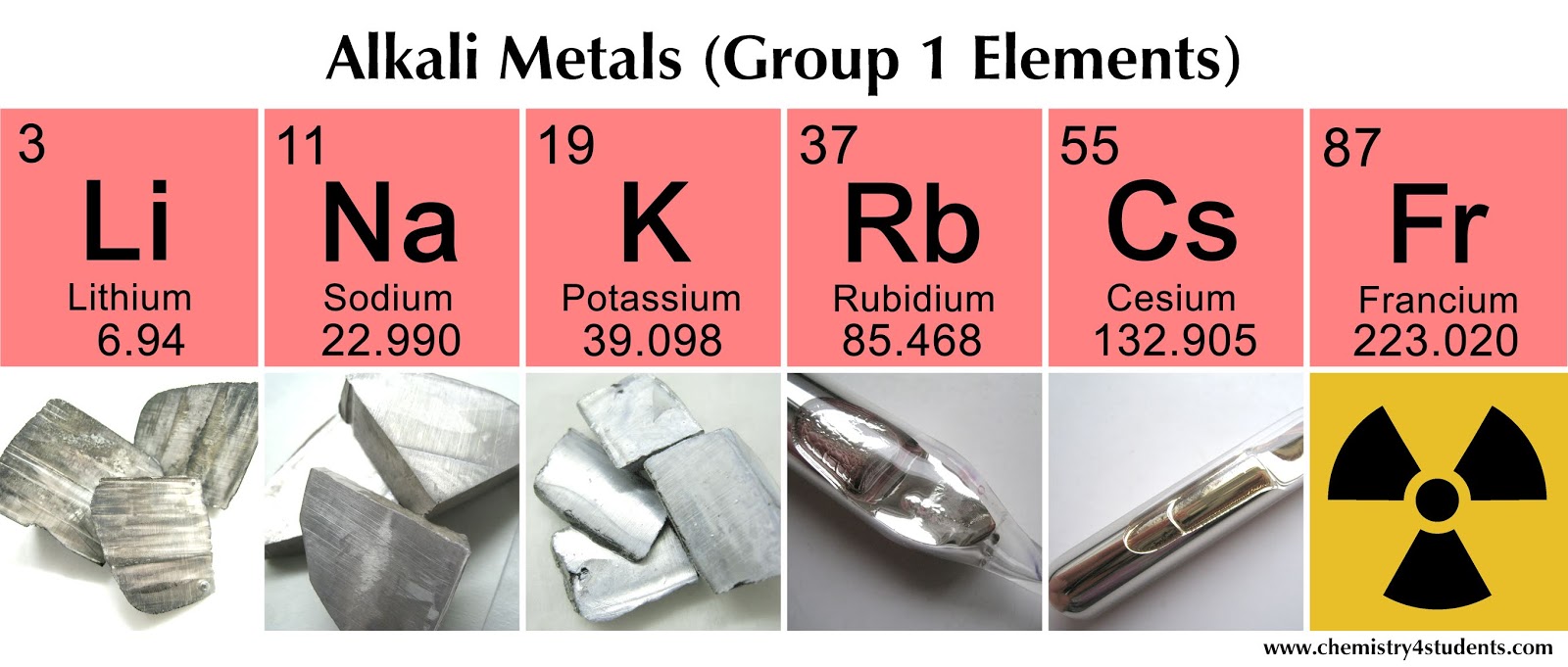
- Lithium (Li)
- Sodium (Na)
- Potassium (K)
- Rubidium (Rb)
- Cesium (Cs)
- Francium (Fr)
Each one has its own personality, but they all share the same core traits: soft, shiny, and super reactive. As you move down the group (from Lithium to Francium), the reactivity increases. Francium, being at the bottom, is the most reactive, though it's also incredibly rare and radioactive, which makes it a bit of a scientific enigma.
Everyday Superstars: Where You Find Them
Okay, so maybe you won't find alkali metals in their pure form lying around (and you wouldn't want to!). But they're everywhere in compounds that are essential to everyday life. Think about it, for example:
Sodium Chloride (NaCl): table salt, which seasons your food.
Or:
Potassium: Important for nerve function and is found in bananas.
Lithium compounds are used in batteries (powering your phone and laptop). In fact, Alkali Metals and their chemical reactions are all around us.
In conclusion...
So, there you have it – a whirlwind tour of the alkali metals. They're soft, shiny, reactive, and essential to modern life. They might not be the flashiest elements, but they're definitely among the most exciting. Next time you're studying the periodic table, give the alkali metals a second look. You might just find yourself as fascinated as we are!