
What Are The Causes Of Pollution In The Ocean
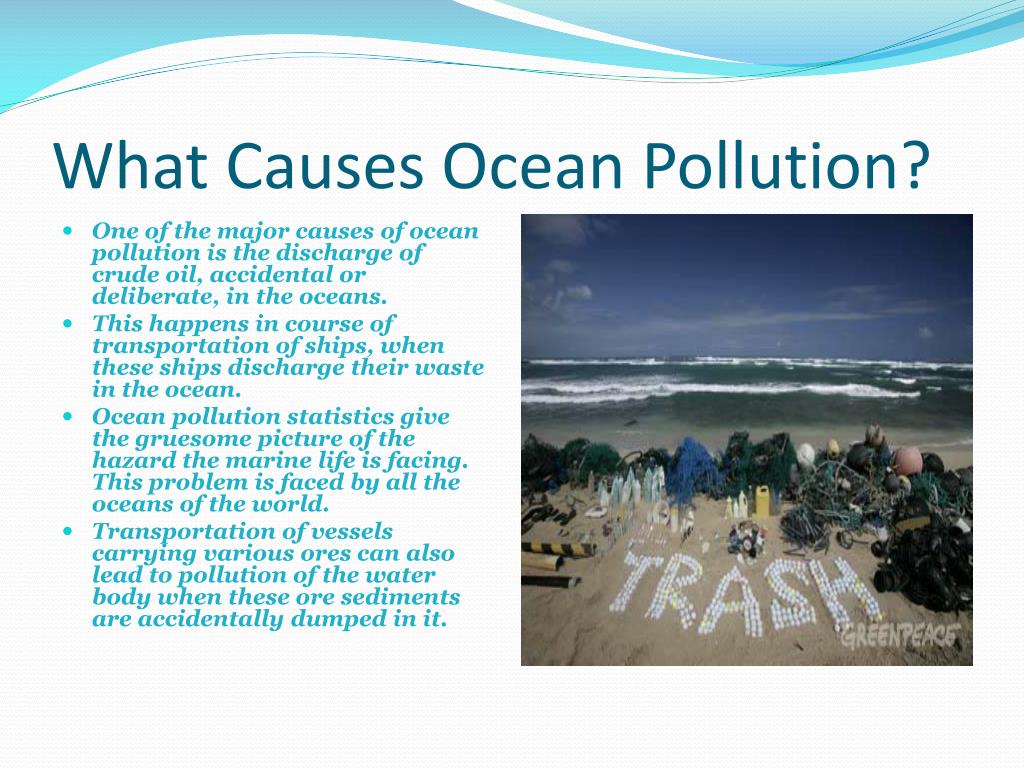
Ever dreamt of diving into a crystal-clear ocean, surrounded by vibrant coral reefs and playful dolphins? Yeah, me too! But sometimes, reality throws us a curveball, and our oceans aren't quite as pristine as we'd like. So, what's turning our beautiful blue playground a little... less beautiful?
The Culprits Behind Our Ocean's Woes
Think of our ocean like a giant bathtub. Now, imagine everything we carelessly toss in there ends up swirling around. Not a pretty picture, right? Let's dive into the biggest offenders messing with our ocean's tranquility!
Plastic, Plastic Everywhere!
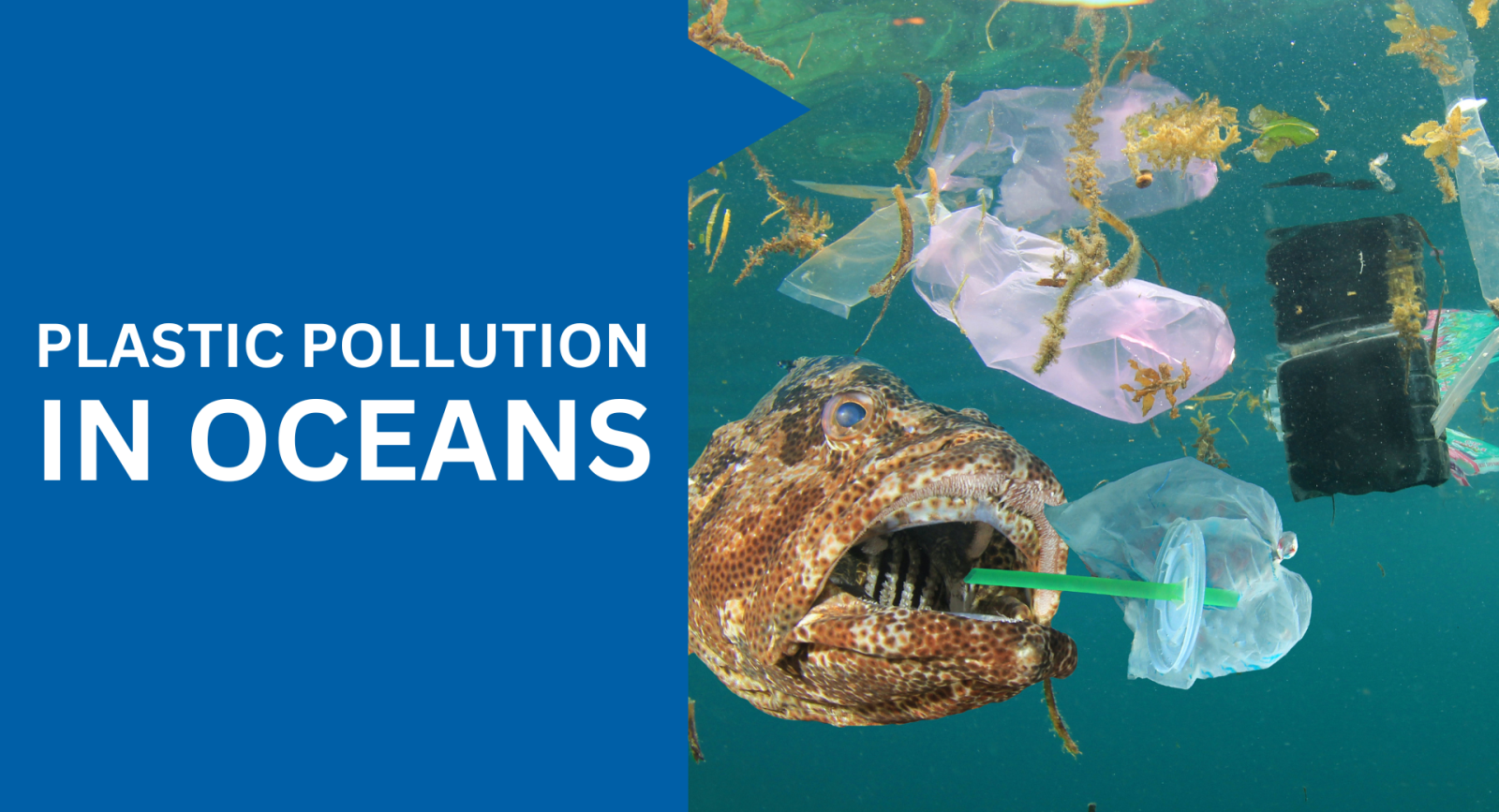
Ah, plastic – the superhero we love to hate. It's super useful, but it also hangs around practically forever. Seriously, some of the plastic we used as kids might still be bobbing around out there!
Must Read
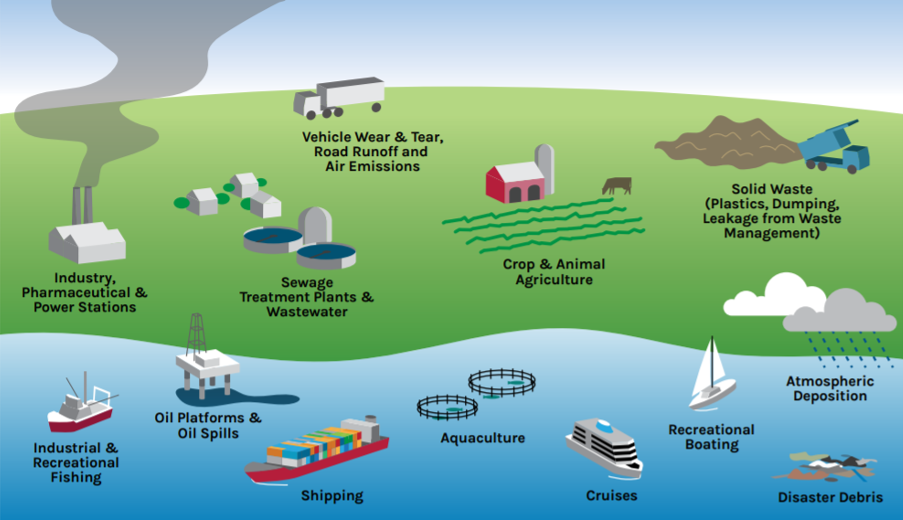
Where does it come from? Well, a lot of it starts on land! Think about that plastic grocery bag that flies out of your hand on a windy day. Or that single-use water bottle you tossed in the regular trash (oops!).
These seemingly small actions add up. They get swept into rivers, which then flow into the ocean, turning our marine ecosystems into floating landfills. Yikes!
Agricultural Runoff: Fertilizer Fiesta Gone Wrong
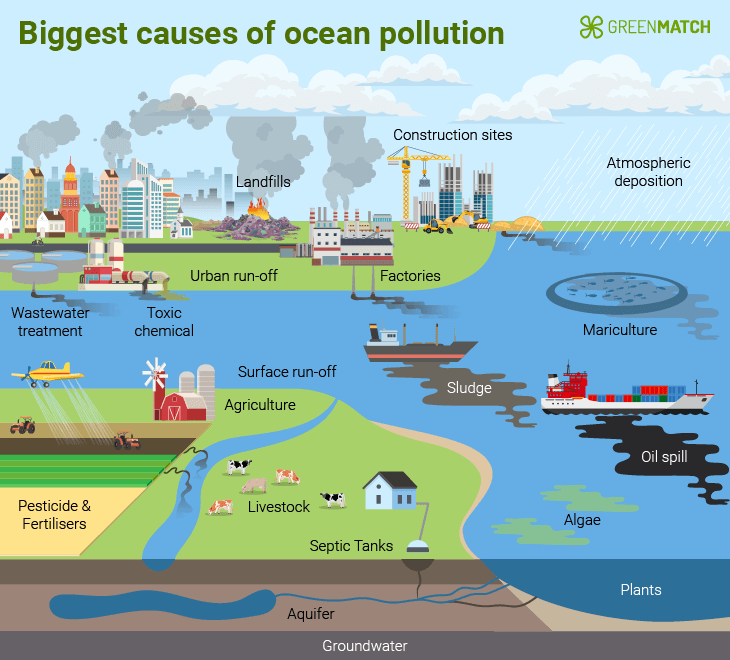
Farmers use fertilizers to help their crops grow big and strong. That's great for our food supply! But sometimes, when it rains, these fertilizers get washed away into nearby waterways.
This runoff, loaded with nutrients, acts like a super-powered growth serum for algae. Algae blooms explode, creating massive "dead zones" where marine life can't survive. It's like a party that gets way, way out of hand!
Imagine your swimming pool suddenly turning green and slimy. Would you want to take a dip? Neither do our ocean creatures!
Industrial Waste: A Toxic Cocktail
Factories often release waste into rivers and oceans. Sometimes, this waste contains harmful chemicals and pollutants.
It's like adding a nasty cocktail of toxins to our ocean's "drink." These chemicals can poison marine life, disrupt ecosystems, and even make their way into our food chain.
Gross, right? We definitely don't want a side of toxic waste with our seafood!
Oil Spills: A Slick Disaster
Oil spills are dramatic and devastating. When a tanker accident happens or an offshore drilling rig malfunctions, massive amounts of oil can gush into the ocean.
This oil coats everything – beaches, birds, marine mammals. It's a sticky, suffocating mess that can take years to clean up, and even then, the damage is often irreversible.
Imagine trying to swim through molasses. That's what it's like for marine animals caught in an oil spill.
Sewage: When Waste Gets Waterborne
Okay, let's talk about sewage. It's not the prettiest topic, but it's an important one. When wastewater treatment plants aren't working properly, or when sewage systems overflow, raw sewage can end up in the ocean.
This sewage contains bacteria and viruses that can make people sick. It also depletes oxygen in the water, harming marine life.
Nobody wants to swim in a toilet bowl, and neither do our fishy friends!
Atmospheric Deposition: Pollution From the Sky
Believe it or not, pollution from the air can also end up in the ocean. Pollutants from cars, factories, and power plants can be carried by the wind and deposited into the ocean through rain and snow.
It's like the ocean is catching all the pollution we're throwing into the air. This can lead to acidification, which makes it harder for shellfish and other marine organisms to build their shells.
Think of it as osteoporosis for sea creatures! Not good.
Noise Pollution: An Unseen Threat
We often think of pollution as something we can see, like plastic or oil. But noise can also be a major pollutant in the ocean.
Ships, sonar, and construction activities create a cacophony of noise that can disrupt marine life. It can interfere with their ability to communicate, find food, and navigate. Whales, in particular, are very sensitive to underwater noise pollution.
Imagine trying to have a conversation in a disco with the music blasting! That's what it's like for marine animals in a noisy ocean.
What Can You Do to Help?
Okay, so the ocean's facing some serious challenges. But don't despair! We can all do our part to make a difference. Every little bit helps!
Reduce your plastic use! Use reusable bags, water bottles, and coffee cups. Say no to straws and plastic cutlery. Choose products with minimal packaging.
Dispose of waste properly! Don't litter! Recycle! Participate in beach cleanups! Even picking up a few pieces of trash can make a difference.
Support sustainable agriculture! Buy local, organic food whenever possible. This reduces the use of harmful pesticides and fertilizers.
Conserve water! The less water you use, the less runoff there is. Fix leaky faucets and take shorter showers.

Choose sustainable seafood! Overfishing is a major threat to ocean ecosystems. Look for seafood that is certified sustainable by organizations like the Marine Stewardship Council (MSC).
Support organizations that are working to protect the ocean! There are many amazing groups out there doing important work.
Educate yourself and others! The more people who are aware of the problem, the more likely we are to find solutions.
Remember, even small actions can add up to big changes. Let's work together to keep our oceans clean and healthy for generations to come!
Become an Ocean Advocate!
Spread the word about the importance of ocean conservation! Talk to your friends, family, and neighbors. Write letters to your elected officials. Use social media to raise awareness.
Be a voice for the ocean! Let people know that you care about protecting our marine ecosystems.
Remember that every effort, regardless of size, can contribute to a cleaner, healthier ocean.
Support Innovative Solutions
Encourage research and development of new technologies to clean up pollution and prevent it from happening in the first place. There are some incredible initiatives out there exploring innovative ways to tackle these issues.
From giant nets designed to collect plastic in the ocean to biodegradable alternatives to plastic packaging, the future holds a lot of promise, but needs our support.
By supporting these advancements, we can propel ourselves closer to a world with drastically reduced ocean pollution.
Be a Conscious Consumer
Think about the impact your purchases have on the environment. Choose products that are made from sustainable materials and that are produced in an environmentally responsible way.
Consider the lifecycle of the products you buy, from production to disposal, and make choices that minimize your environmental footprint. Even something as simple as choosing a laundry detergent in a cardboard box instead of a plastic bottle can make a difference over time.
By being a conscious consumer, you can help drive demand for sustainable products and practices.
Explore and Appreciate the Ocean
Take the time to experience the ocean's beauty firsthand (responsibly, of course!). Go for a walk on the beach, visit an aquarium, or go snorkeling or diving.
When you connect with the ocean, you're more likely to feel a sense of responsibility for protecting it.
Fall in love with the ocean, and you'll be inspired to do whatever you can to keep it healthy and thriving.
So, let's ditch the doom and gloom and embrace a future where our oceans are thriving! Every small action counts, and together, we can make a real difference.
Let's keep those underwater dreams alive and make our blue planet a little brighter, one wave at a time!