What Are The Alloys Of Steel
:max_bytes(150000):strip_icc()/metal-alloys-2340254_final-ca186a30b3454d7d936ad12114d6cdd9.png)
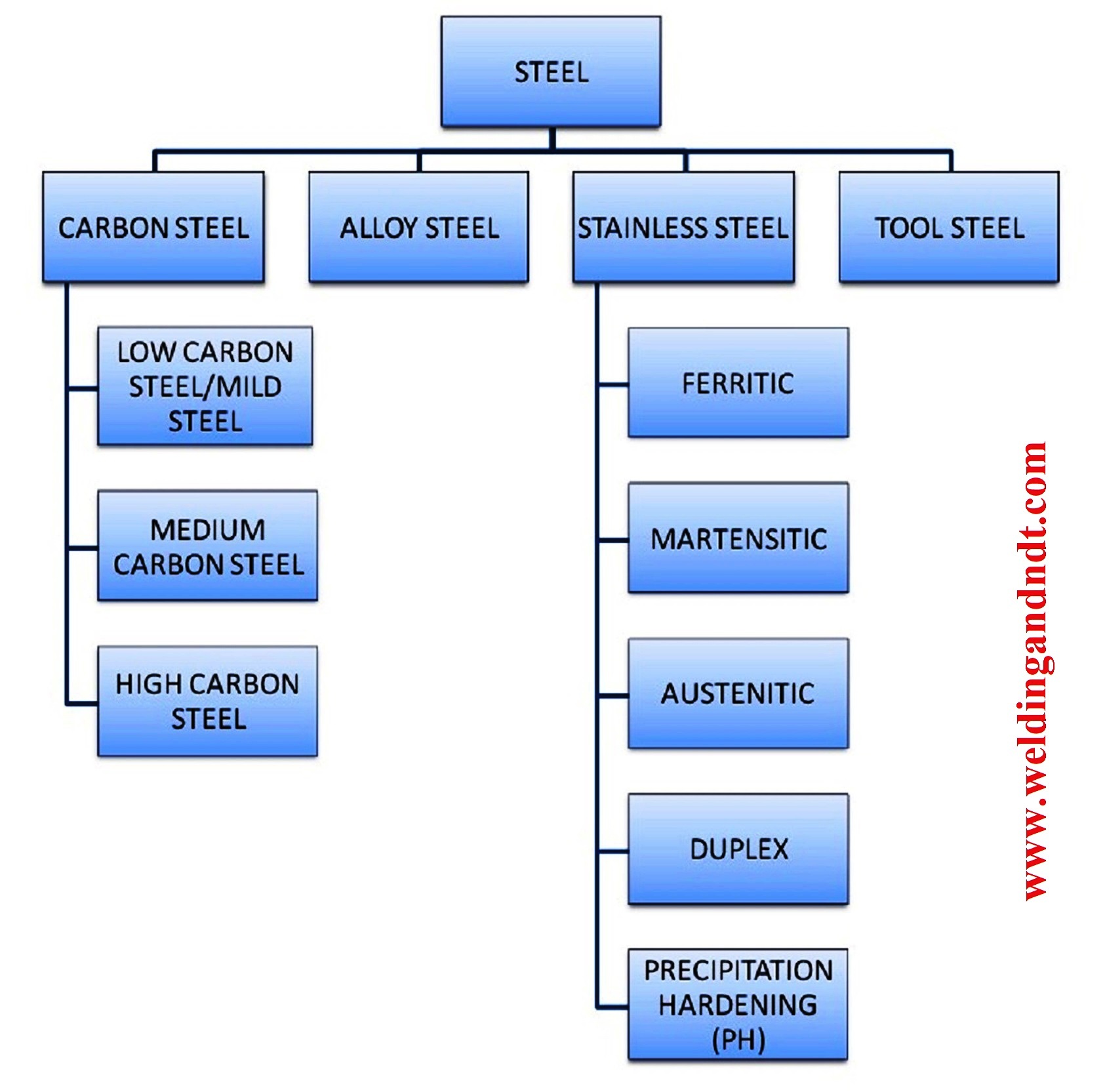
Ever stopped to think about the incredible material that holds up our skyscrapers, zips us around in cars, and even helps us cut our dinner? We’re talking about steel, of course! It’s the unsung hero of the modern world, everywhere you look, blending strength with versatility. But here’s a little secret: when we say "steel," we’re actually talking about a whole family of materials, each with its own superpowers. It’s like a superhero team where each member has a unique ability, and these abilities come from something called alloys.
The core of steel is iron, mixed with a touch of carbon. This basic blend is strong, but to truly conquer the challenges of everyday life, it needs a little help from its friends – other elements that join the party to create an alloy. These additions aren't just for show; they completely transform steel, giving it properties that plain iron could only dream of. Need something super strong yet lightweight for an airplane? There's an alloy for that. Need a knife that won't rust in your kitchen? Another alloy steps up. This incredible adaptability means we have everything from surgical instruments that never corrode to bridge components that withstand extreme weather, all thanks to the ingenious manipulation of steel's chemical makeup. It's the reason our homes are safer, our tools last longer, and our technology keeps advancing.
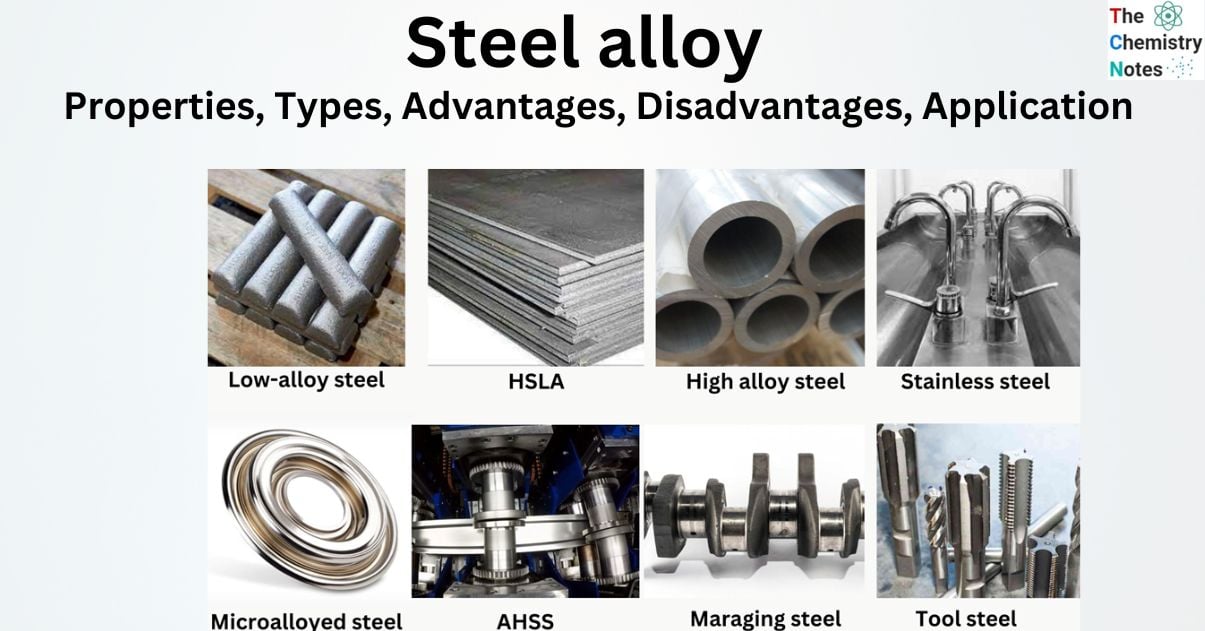
Let's meet some of these amazing alloy superheroes! Perhaps the most famous is Stainless Steel, which gets its rust-resisting powers from chromium. This is why your forks, kitchen sinks, and medical equipment shine bright and stay hygienic. Then there's Tool Steel, a super-hard workhorse loaded with elements like tungsten, molybdenum, and vanadium. These alloys give drills, saws, and molds their incredible toughness, allowing them to cut and shape other materials without dulling. For structures that need to be strong but not too heavy, like car chassis or pipelines, we have High-Strength Low-Alloy (HSLA) Steel, which uses small amounts of manganese, niobium, or titanium to achieve impressive strength-to-weight ratios. And for the truly extreme, consider Maraging Steel, packed with nickel, cobalt, and molybdenum, creating material so strong it's used in aerospace and high-performance sporting goods.
Must Read
So, how can you "enjoy" the alloys of steel more effectively? First, become an alloy detective! Start noticing the different properties of the steel objects around you. Why is that kitchen knife so sharp, while the garden trowel is so resistant to rust? Chances are, different alloys are at play. Second, appreciate the invisible engineering. Every steel object you interact with has been carefully designed, and its specific alloy chosen for a reason. Understanding this adds a layer of appreciation for the ingenuity behind our everyday items. Finally, make informed choices. When buying a new set of tools or cookware, a little knowledge about common steel alloys (like knowing the difference between various grades of stainless steel) can help you choose the right product that will serve you best. It’s a fascinating world hiding in plain sight, just waiting for you to discover its metallic marvels!