What Are The Alloys Of Bronze
Alright, let’s spill the beans on one of history's coolest metals: bronze! You know, that gorgeous, gleaming stuff that built empires and statues? Well, here’s a secret: it’s not just plain old copper. Nope! It’s actually a fantastic metal mash-up, a real party of elements, each bringing its own special superpower to the mix.
Think of bronze as the ultimate metallic superhero team. Copper is definitely the 队长 (captain), the main star, providing that iconic reddish-brown base. But even Captain Copper needs some trusty sidekicks to become the incredible, versatile material we know and love.
The OG Sidekick: Tin!
When you hear "bronze," your brain probably first thinks of tin bronze. And you’d be right! For thousands of years, all the way back to the Bronze Age (clever name, huh?), tin was copper's go-to buddy. Adding just a little tin—think around 12%—to copper makes it much harder and stronger than pure copper. Copper on its own is a bit soft, like a gentle giant. Tin comes in, gives it a pep talk, and suddenly it's ready to forge swords and build chariots!
Must Read
Fun fact: Early humans literally scoured the earth for tin because it was that essential for making better tools and weapons. It was a metal so important, it shaped civilizations! Imagine a world-wide scavenger hunt for a shiny, somewhat rare rock. That was the Bronze Age economy!
Enter the Modern Crew: Other Awesome Alloys!
But wait, there's more! As metallurgy got smarter (and a bit more experimental), engineers discovered that tin wasn’t the only cool kid copper could hang out with. Oh no, the bronze party got bigger, and the guest list got wilder!
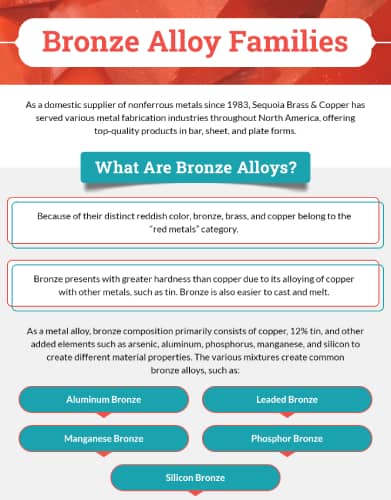
Aluminum Bronze: The Golden Child
Ever seen bronze that looks almost golden? Chances are you've met aluminum bronze. This stuff is seriously impressive! By adding aluminum to copper, you get a bronze that's incredibly strong, corrosion-resistant, and can even handle high temperatures. It’s like the bronze that went to the gym and got super buff. You'll find it in things like ship propellers, industrial valves, and even fancy architectural elements. It’s tough enough to swim with sharks and still look good!
Silicon Bronze: The Welder's Friend
Next up, we have silicon bronze. This one is a bit of a chameleon, often looking a bit reddish-brown but can be quite versatile. The magic here is that silicon makes it super easy to weld and offers great corrosion resistance, especially to saltwater. So, if you're building a boat or anything else that needs to stand up to the elements, silicon bronze is a real MVP. It’s the bronze that always has your back, rain or shine!
Manganese Bronze: The Heavy Lifter
Need something incredibly tough? Say hello to manganese bronze! This alloy often includes zinc and sometimes aluminum alongside manganese, creating a bronze with exceptional strength and wear resistance. Think heavy-duty gears, valve stems, and components for serious machinery. It's the weightlifter of the bronze family, capable of handling extreme stress without breaking a sweat.
:max_bytes(150000):strip_icc()/metal-alloys-2340254_final-ca186a30b3454d7d936ad12114d6cdd9.png)
Phosphor Bronze: The Springy Musician
Here’s a favorite: phosphor bronze! Adding a tiny bit of phosphorus (we're talking fractions of a percent) helps deoxidize the copper during casting, making the resulting bronze extra clean and strong. But the real magic? It gives bronze excellent fatigue resistance and springiness. This is why you'll find it in electrical contacts, springs, and even musical instruments like bells and cymbals. Yep, that beautiful clang of a bell? Thank phosphor bronze! It literally makes music!
Nickel Bronze: The Bell Ringer (Again!)
Speaking of bells, nickel bronze is another fantastic alloy often used for those glorious sounds! Adding nickel boosts its strength, hardness, and corrosion resistance. It can also give bronze a lighter, almost silvery sheen, making it look quite distinct. From ship fittings to fancy hardware, nickel bronze brings both brawn and beauty to the table.
Lead Bronze: The Smooth Operator
And finally, for something completely different, there's lead bronze. Now, adding lead might sound a bit odd, but hear me out! Lead doesn't actually alloy with copper; it disperses as tiny particles. This makes the bronze incredibly machinable and, crucially, gives it excellent lubricating properties. That's why it's a superstar in bearings – those crucial parts that allow things to spin smoothly without too much friction. It’s the bronze that keeps everything running like a well-oiled machine!
Why All These Combinations?
So, why so many different kinds of bronze? It’s all about tailoring the metal for the job! Just like you wouldn't wear a tuxedo to go hiking, you wouldn't use every bronze for every purpose. Each alloy brings a unique set of properties—be it strength, corrosion resistance, machinability, or even musicality. It’s like a custom recipe for metal, tweaked for perfection.
The next time you see a bronze statue, a gleaming bell, or even a sturdy gear, remember: you're not just looking at "bronze." You're witnessing a fascinating blend of elements, a carefully crafted alloy with a history as rich and varied as its many forms. It’s a testament to human ingenuity, turning simple metals into materials that have shaped our world, one copper-based concoction at a time. Pretty cool, right?