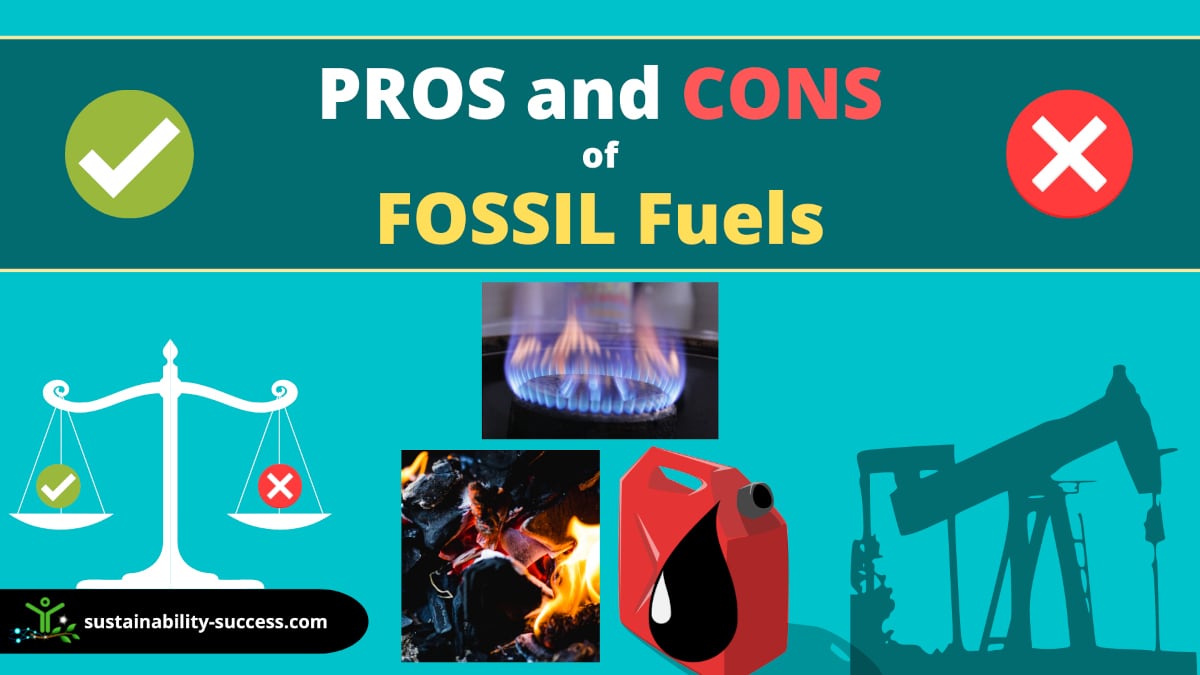
What Are The Advantages Of Using Fossil Fuels
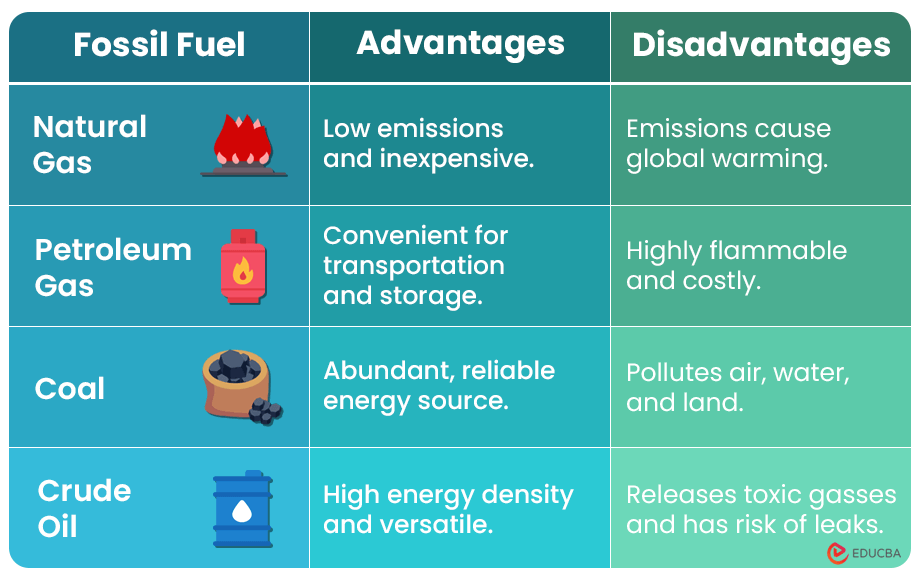
Okay, let's talk fossil fuels. We hear so much negativity surrounding them these days, it's easy to forget that they've played a huge role in shaping the modern world. Before we dive into the pros, let's be clear: responsible usage and transition to cleaner alternatives are crucial. But acknowledging the benefits of fossil fuels doesn't mean ignoring the climate conversation; it's about understanding the full picture.
Powering the Planet (and Our Gadgets!)
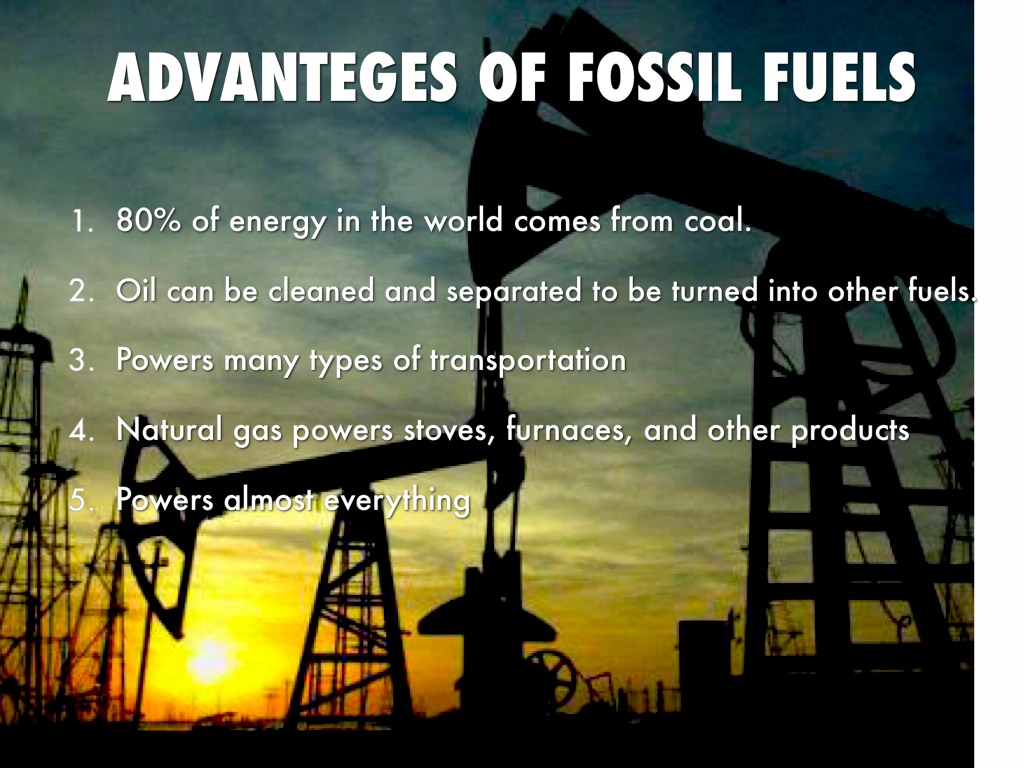
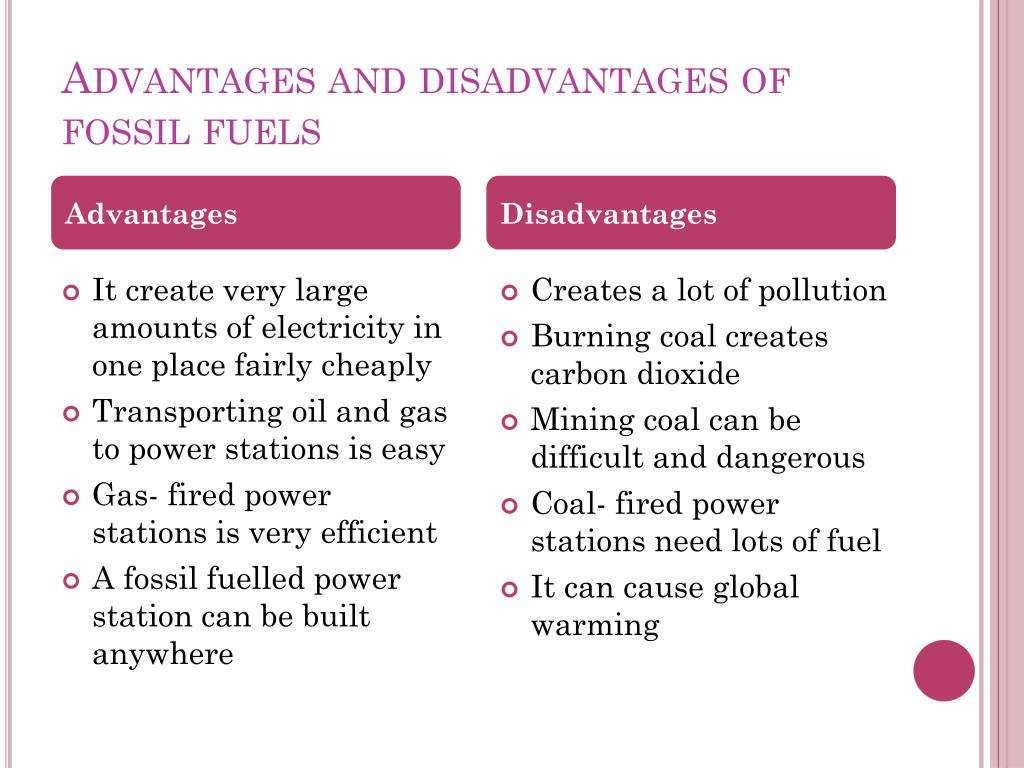
First up: energy density. Fossil fuels, like coal, oil, and natural gas, pack a serious punch. Think about it – a relatively small amount of gasoline can propel your car for hundreds of miles. This high energy density is a major reason they've been so widely adopted. It allows us to generate a massive amount of electricity from a relatively compact source, powering everything from our homes and businesses to those ever-essential smartphones.
Practical Tip: Ever notice how quickly your phone battery drains when you're streaming videos? That's because even seemingly small devices require a lot of energy!
Must Read
Infrastructure Already in Place
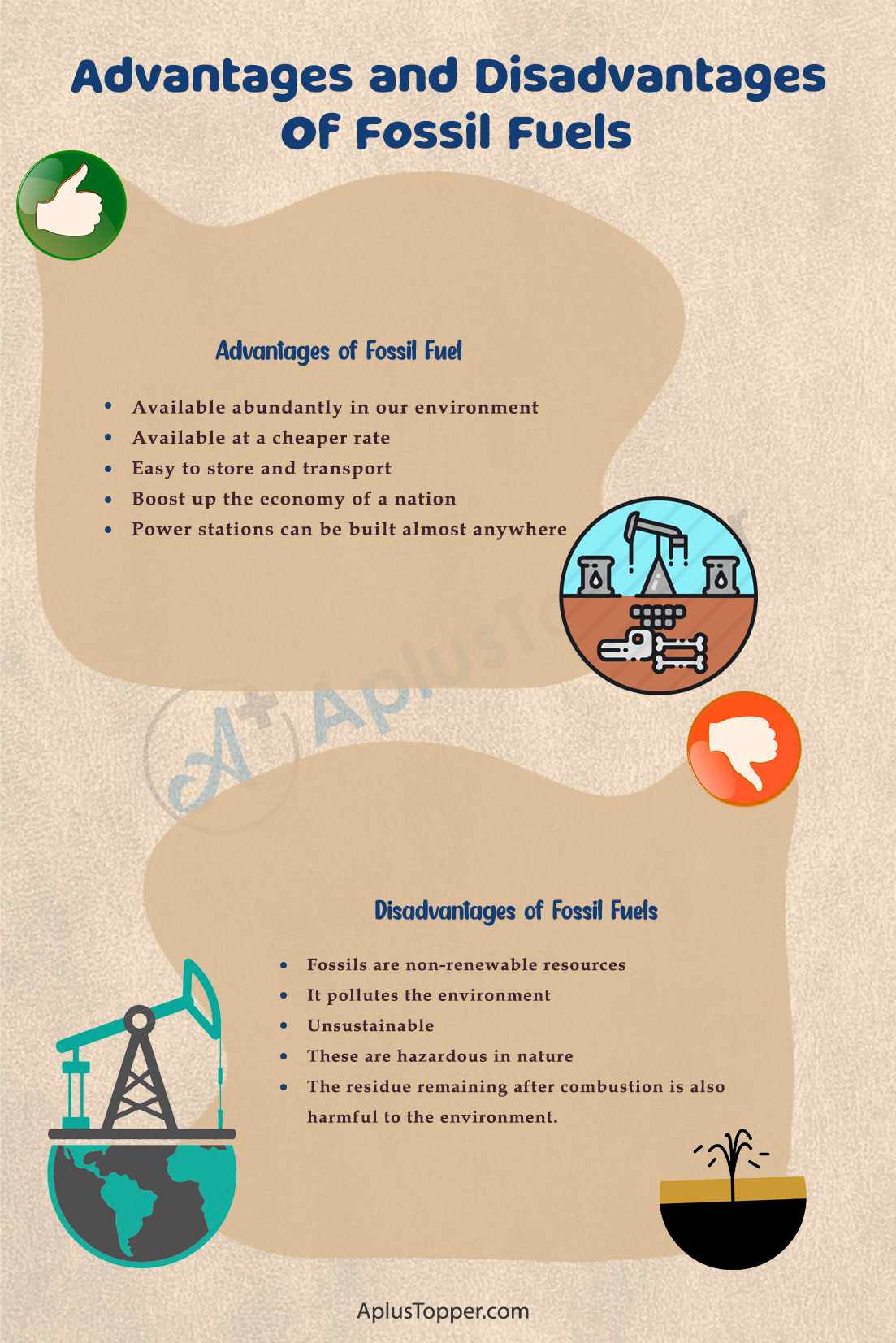
Imagine trying to build a city from scratch. You wouldn't just start throwing up buildings without considering things like roads, water pipes, and, yes, power lines. We already have a vast and well-established infrastructure for extracting, transporting, and refining fossil fuels. This existing infrastructure represents a significant investment and allows for a relatively smooth and consistent supply of energy.
It’s like that old, comfy armchair you’ve had for years. Sure, it might not be the trendiest piece of furniture, but it's familiar, reliable, and you know exactly what to expect from it. Transitioning to entirely new energy sources requires building entirely new armchairs (and factories to make those armchairs!), which takes time and resources.
Affordable Energy (Relatively Speaking!)
For a long time, fossil fuels were the most affordable option for large-scale energy production. This affordability has played a significant role in economic growth, allowing businesses to thrive and individuals to access goods and services at lower costs. Think about the Industrial Revolution – it was largely fueled by coal, which enabled mass production and transformed societies.
Fun Fact: The price of oil impacts everything from your grocery bill to airline tickets! It’s a ripple effect that touches almost every aspect of our daily lives.
Versatile Materials: More Than Just Fuel
Fossil fuels aren't just for burning. They're also the raw materials for a vast range of products we use every day. Plastics, medicines, fertilizers, and even the synthetic fabrics in your clothes are all derived from petroleum. This versatility makes fossil fuels an essential component of modern manufacturing and agriculture.
Consider the medical field. Many life-saving drugs and medical devices rely on petroleum-based products. It highlights the intricate web of dependencies we have on these resources.
Reliable Power Generation: When the Sun Doesn't Shine
While renewable energy sources like solar and wind are gaining traction, they're not always available. The sun doesn't shine at night, and the wind doesn't always blow. Fossil fuel power plants can provide a reliable and consistent source of energy, filling in the gaps when renewables are intermittent. This reliability is crucial for maintaining a stable and functioning society.
Think of it this way: Fossil fuels can act as a backup generator, ensuring that the lights stay on even when the main power source is temporarily unavailable.
In conclusion, fossil fuels have undeniably contributed to technological advancements, economic growth, and overall quality of life. They've provided affordable and reliable energy, powered industries, and served as the foundation for countless products. However, it's critical to remember the environmental impact and prioritize the development and adoption of sustainable alternatives.
So, as you flip on a light switch, drive your car, or even just check your phone, remember the complex energy landscape that makes it all possible. It’s a reminder that progress comes with responsibility, and that a sustainable future requires a balanced and informed approach.