
What Are The Advantages Of Using Biomass Energy

Ever roasted marshmallows over a campfire? That, my friends, is biomass energy in action! Okay, maybe not exactly the future of energy, but it’s a super simple example of how burning organic stuff can create heat and energy. And biomass energy, on a larger scale, has some pretty awesome advantages. Let’s dive in, shall we?
What is Biomass, Anyway?
Think of biomass as anything that was recently alive. We’re talking wood, crops, even your leftover veggie scraps. Basically, anything organic that can be burned, fermented, or otherwise processed to create energy. It’s like nature’s recycle bin, but instead of making new plastic bottles, it’s making power!
Advantage #1: It's Renewable (Mostly!)
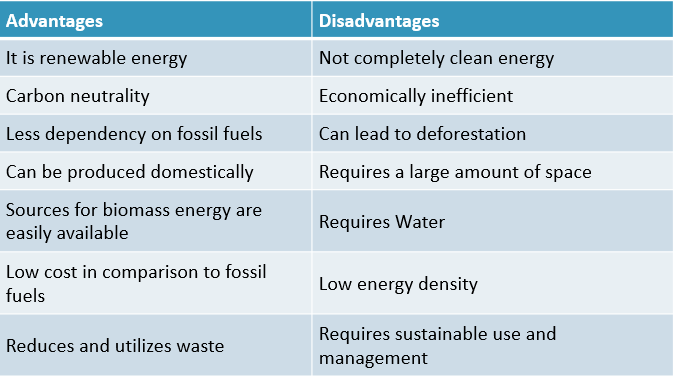
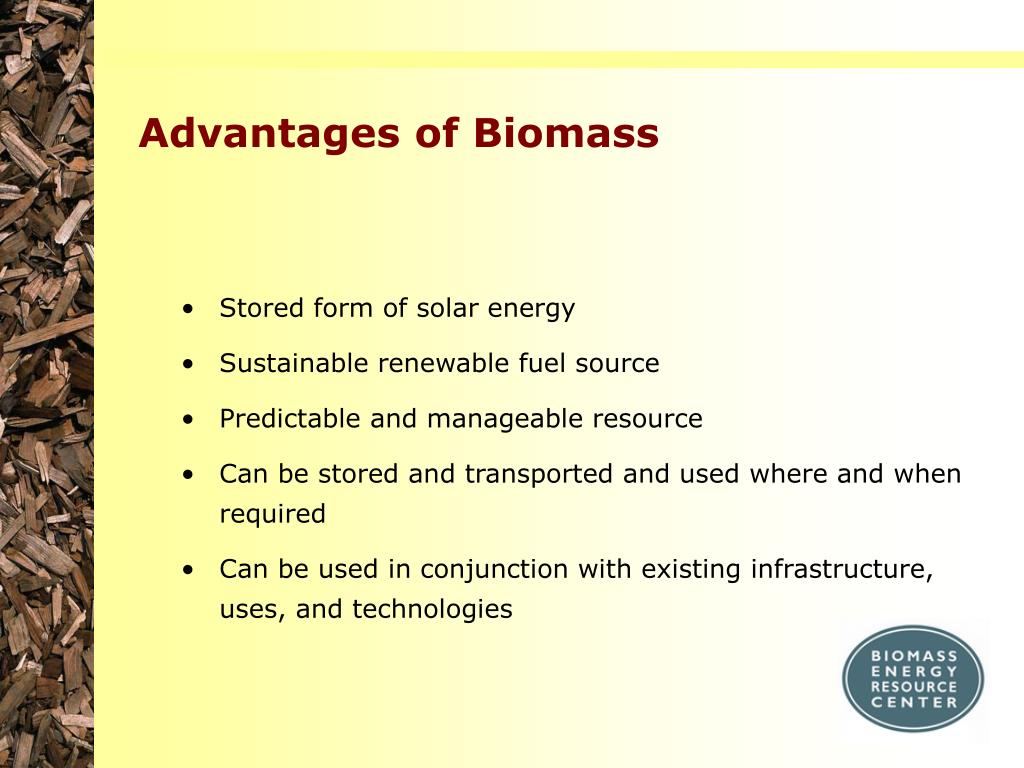
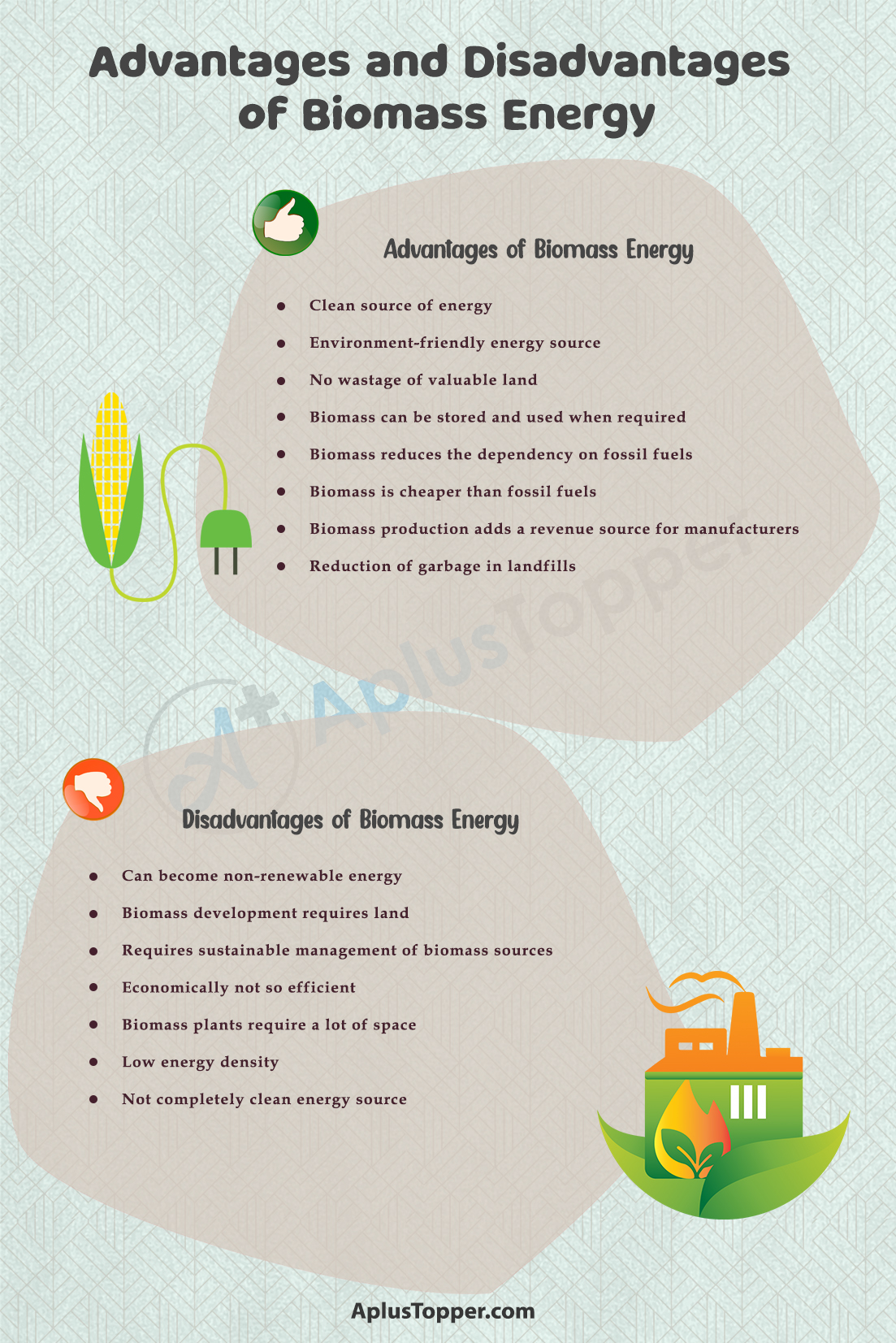
Here's a big one: biomass is generally considered a renewable resource. Why? Because, unlike fossil fuels (which take millions of years to form), we can grow more biomass relatively quickly. Trees, for instance, grow back! Crops can be replanted. As long as we manage our resources responsibly, biomass can be a sustainable energy source.
Must Read
Imagine a farmer using crop waste, like corn stalks, to generate electricity for their farm. They’re essentially using something that would otherwise decompose to power their operations. That's pretty cool, right?
Advantage #2: Reducing Waste
Speaking of corn stalks, think about all the organic waste we produce every day. Food scraps, yard trimmings, agricultural leftovers – it often ends up in landfills, taking up space and releasing harmful greenhouse gases. Biomass energy can help us reduce this waste by using it as fuel. It's like giving our garbage a second life as an energy source!
My neighbor, Mrs. Higgins, is an avid gardener. She composts religiously, but even she has more yard waste than her garden can handle. Imagine if her town had a biomass plant that could turn all that extra grass clippings and leaves into electricity for the community! She'd be thrilled, and the town would be greener (literally and figuratively).
Advantage #3: Less Reliance on Fossil Fuels
This one is huge. The more we use biomass energy, the less we rely on fossil fuels like oil, coal, and natural gas. Fossil fuels are non-renewable (they'll run out eventually), and burning them releases a ton of greenhouse gases, contributing to climate change. Biomass can offer a way to diversify our energy sources and move towards a cleaner future.
Think of it like this: you wouldn't want to rely on just one food source, would you? What if that food suddenly became scarce or super expensive? Diversifying our energy sources with biomass is like having a well-stocked pantry, ready for anything!
Advantage #4: It's Versatile!
Biomass isn't just about burning wood in a power plant. It can be converted into various forms of energy, including:
- Electricity: Burning biomass to heat water, creating steam that turns turbines to generate electricity.
- Heat: Direct burning of wood or other biomass for heating homes and buildings.
- Biofuels: Converting biomass into liquid fuels like ethanol and biodiesel for use in vehicles.
That's right, biomass can even power your car! Though, maybe stick to gasoline for your cross-country road trip for now…biofuel technology is still developing!

Advantage #5: Supporting Local Economies
Biomass resources are often locally available, meaning that developing biomass energy projects can help support local economies. Farmers can sell their crop waste, foresters can sustainably harvest wood, and local businesses can be created to process and utilize biomass. It’s like keeping the money closer to home!
Instead of sending money overseas for oil, we can invest in local farmers and businesses that are working to create a sustainable energy future. That sounds like a win-win situation, right?
Why Should You Care?
Look, energy might seem like a complicated topic, but it affects all of us. From the electricity that powers our homes to the gasoline that fuels our cars, energy is essential to our daily lives. By supporting the development and use of biomass energy, you're helping to create a cleaner, more sustainable, and more resilient future.
So, the next time you see a field of corn or a pile of wood chips, remember that they could be more than just what they seem. They could be part of the solution to our energy challenges. And that's something worth caring about!
Keep an eye on local initiatives and policies that support renewable energy sources, including biomass. Educate yourself and others about the benefits of biomass energy. Every little bit helps! Maybe one day, Mrs. Higgins' yard waste will be powering your TV! Now that's progress!