What Are The Advantages Of Non Renewable Energy
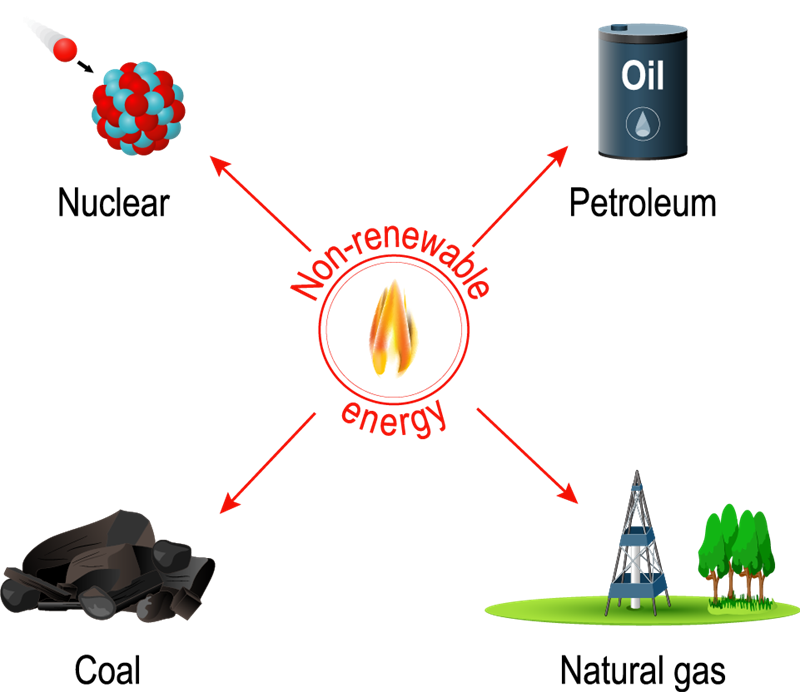
Okay, let's talk energy! Specifically, the kind that gets a bit of a bad rap these days: non-renewable energy. Now, before you think this is going to be a boring lecture about environmental doom and gloom, hear me out. Understanding why we still use these resources – things like oil, natural gas, and coal – is actually super interesting. It’s like understanding the history of a really complicated relationship. It's not all sunshine and roses, but there are reasons why it's stuck around for so long! So, let’s dive into the surprisingly persistent advantages of non-renewable energy.
The main purpose of using any energy source, renewable or not, is simple: to power our lives. We need energy to keep the lights on, to drive our cars, to heat our homes, and to run pretty much every aspect of modern society. Non-renewable energy sources have played a huge role in getting us to where we are today, and they still offer some key benefits. Let's explore them:
First up: Energy Density. Think of it like this: you can pack a lot of punch into a small package with non-renewables. A small amount of oil, for example, can generate a significant amount of electricity. This high energy density makes them efficient for powering large-scale operations like power plants and transportation systems. Renewable sources often require much larger areas to generate the same amount of energy.
Must Read
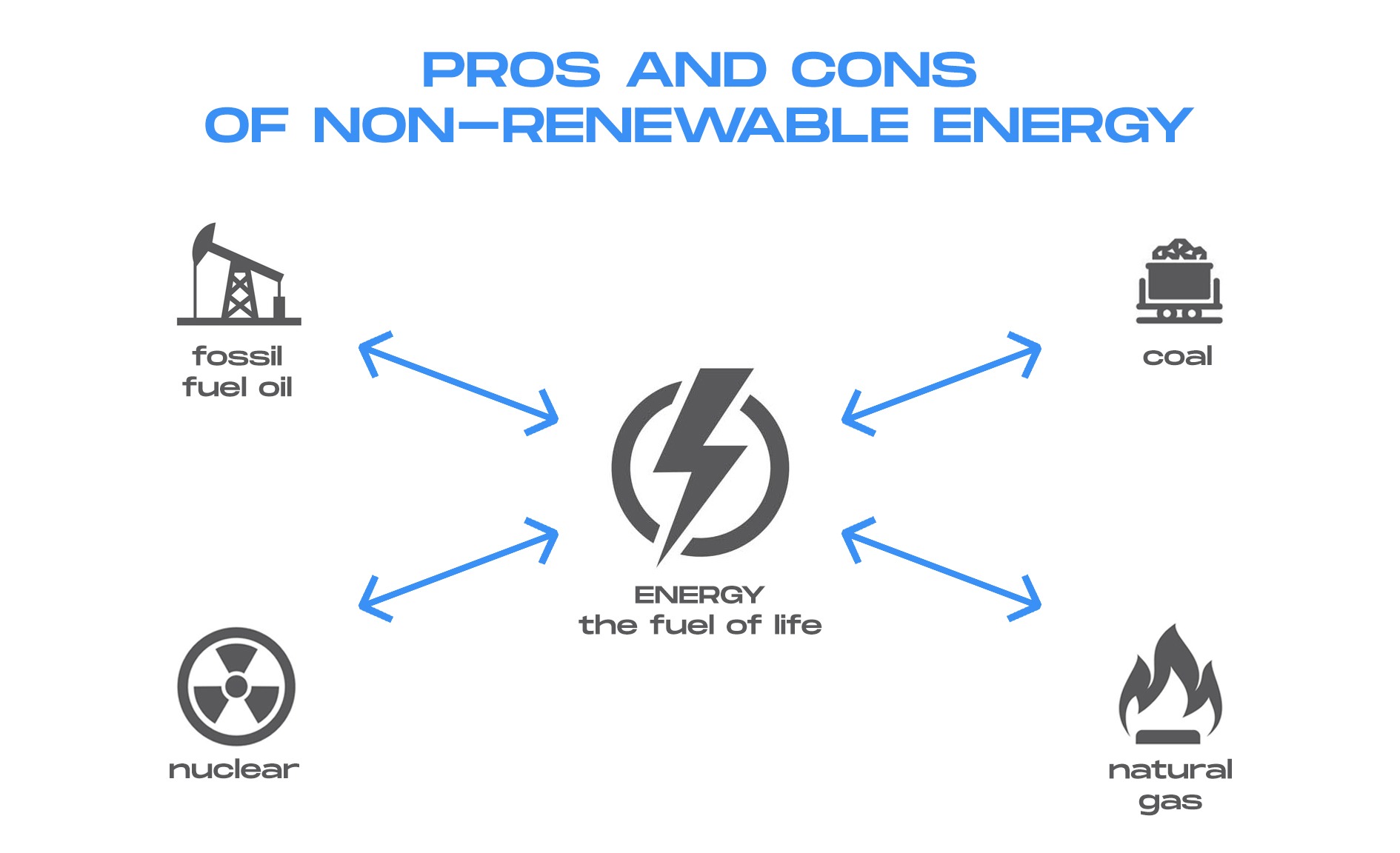
Next, we have Established Infrastructure. We’ve been using fossil fuels for a long time. That means we have well-established infrastructure for extracting, processing, and distributing them. Power plants are built, pipelines are laid, and vehicles are designed to run on these fuels. Transitioning to entirely new energy sources requires massive investments in new infrastructure, which takes time and a lot of money. It's kind of like renovating your entire house versus just painting a room – one is a much bigger undertaking!
Then there's the matter of Reliability. Non-renewable power plants can operate 24/7, regardless of weather conditions. Unlike solar or wind power, which are dependent on the sun shining or the wind blowing, fossil fuel plants can provide a consistent and predictable source of electricity. This reliability is crucial for maintaining a stable power grid and preventing blackouts. Think of it as a dependable old friend you can always count on.
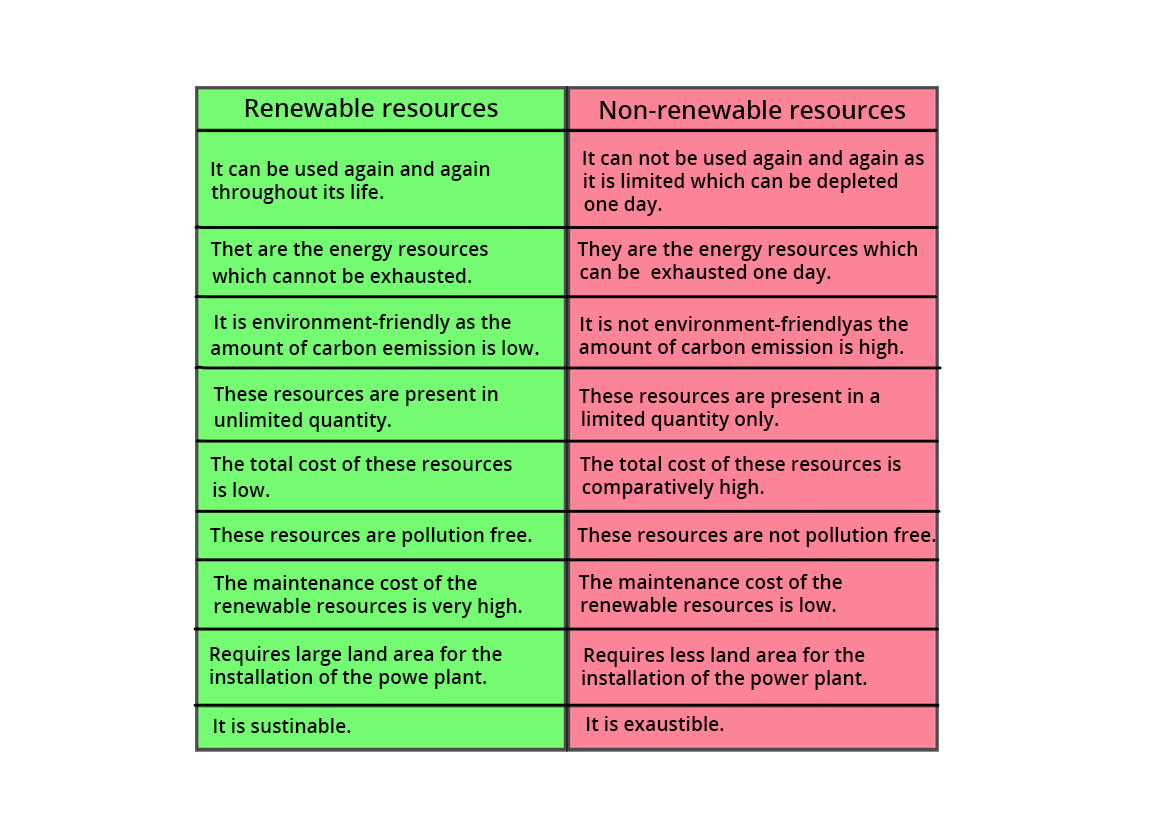
Finally, Cost-Effectiveness (Sometimes!). Historically, non-renewable energy sources have often been more affordable than renewable alternatives. This is due in part to the established infrastructure and the ease of extraction. While the cost of renewables is rapidly decreasing, and in some cases surpassing fossil fuels, the initial investment can still be a barrier. The price of non-renewables can fluctuate wildly, but traditionally, they've been seen as a cheaper option.
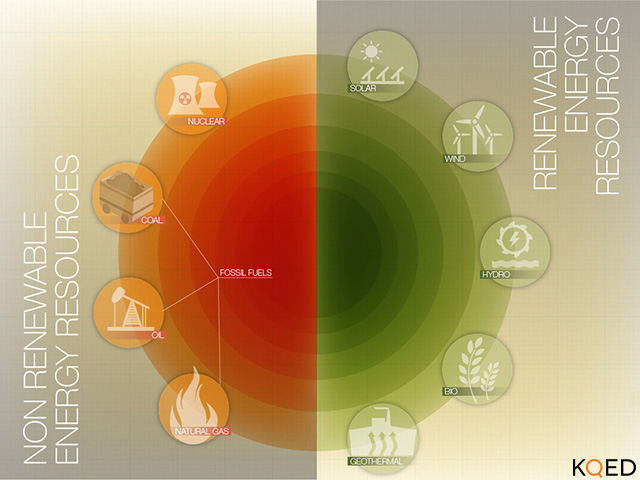
Of course, it's important to acknowledge the downsides. The environmental impact of burning fossil fuels is significant, contributing to climate change and air pollution. The long-term sustainability of these resources is also a concern, as they are finite. However, understanding the advantages they currently offer helps us make informed decisions about our energy future and develop strategies for a smooth and sustainable transition to cleaner sources.
So, while non-renewable energy may not be the hero of our energy story, understanding its role and its benefits gives us a clearer picture of the energy landscape and helps us navigate the complexities of powering our world.