
What Are The Advantages And Disadvantages Of Recycling
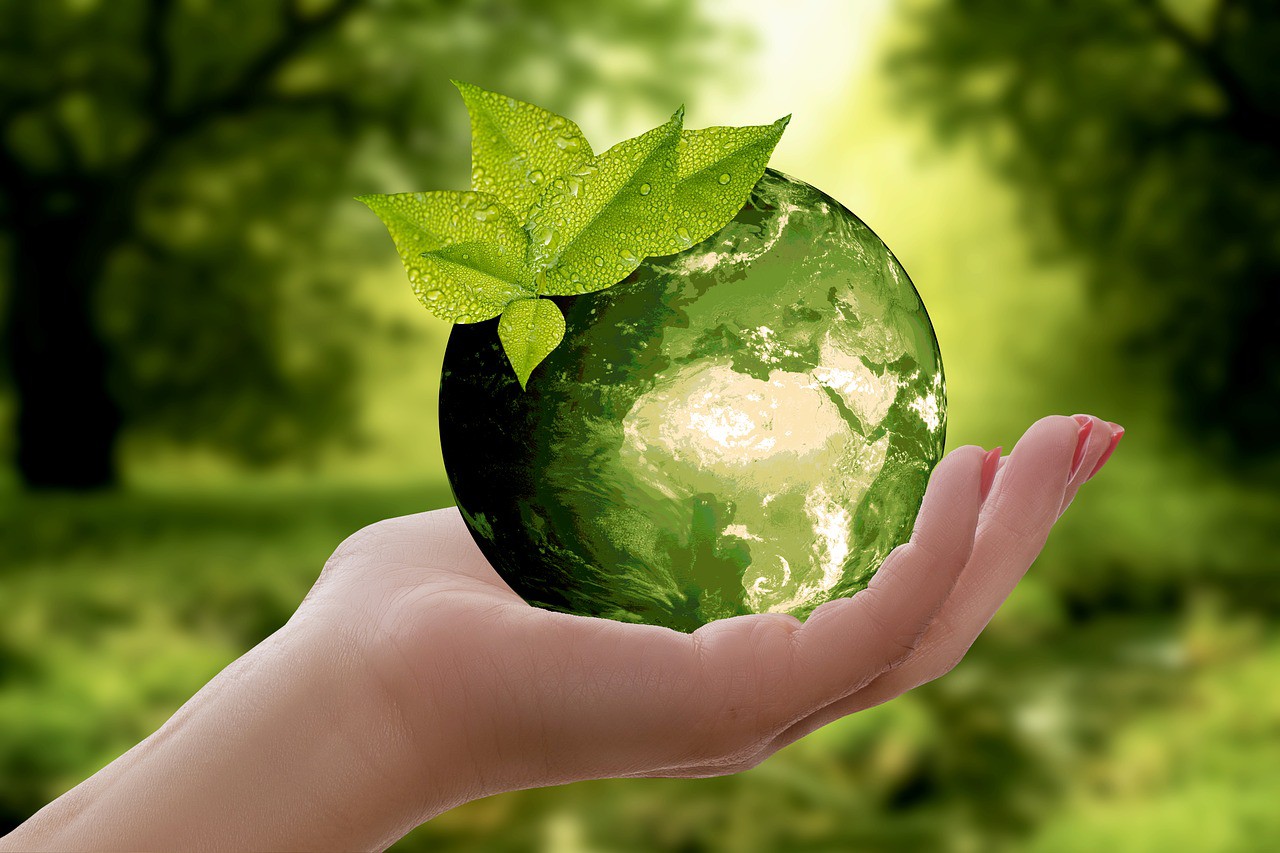
Ever tossed a can into that blue bin and felt a little superheroic? That's the magic of recycling! It's like giving trash a second chance at life. But is it all sunshine and roses? Let's dive in!
The Awesome Upsides of Recycling
Saving the Planet (One Can at a Time!)
Recycling is a champion for our planet. It helps reduce the need to dig up new resources. Think of it as giving Mother Earth a much-needed break.
By reusing materials, we cut down on mining and deforestation. This means fewer habitats are destroyed. Plus, less pollution seeps into our air and water.
Must Read
Energy Savings: Recycling's Secret Power
Making new stuff from scratch takes a lot of energy. Recycling? Not so much! For example, recycling aluminum uses way less energy than making it from raw materials.
Less energy use equals a smaller carbon footprint. That's a win for everyone, especially future generations!
Landfill Liberation: Freeing Up Space for Fun
Landfills are overflowing with waste. Recycling helps divert trash from these giant heaps. This keeps landfills from getting even bigger.
More space in landfills means less land wasted. We could use that space for parks or maybe even a giant trampoline park!
Creating Jobs: Recycling's Employment Powerhouse
Recycling isn't just good for the environment; it's good for the economy. It creates jobs in collection, processing, and manufacturing.
From sorting materials to making new products, it offers numerous opportunities. Who knew your old soda bottle could lead to someone's paycheck?
Conserving Resources: Stretching Our Supplies
Our planet has limited resources. Recycling helps us make the most of what we have. It's like making a delicious meal from leftovers!
By reusing materials, we extend their lifespan. We ensure that future generations have access to the resources they need.
The Tricky Truth: Downsides of Recycling
Collection Complications: Sorting Shenanigans
Recycling isn't always a smooth process. It often requires sorting materials properly. Getting it wrong can contaminate the whole batch!
Contamination can render materials unrecyclable. Then they end up in the landfill anyway. It's like accidentally putting a sock in the dishwasher!
Processing Problems: The Recycling Rollercoaster
Recycling facilities aren't perfect. They require energy and resources to operate. Plus, they can sometimes generate their own pollution.
The processing of some materials can be complex and costly. It's like trying to assemble furniture without the instructions.

Market Mayhem: The Demand Dilemma
The market for recycled materials can be unpredictable. Sometimes, there's not enough demand for certain recycled products.
If no one wants to buy recycled materials, they may end up in landfills. It's like baking a cake that no one wants to eat.
Cost Considerations: The Price of Green
Recycling programs can be expensive to implement and maintain. Local governments often bear the brunt of these costs.
Sometimes, it can be cheaper to produce new materials than to recycle old ones. This creates a tricky economic dilemma.
"Wish-cycling": When Good Intentions Go Wrong
Sometimes people toss items into the recycling bin hoping they'll be recycled, even if they're unsure. This is called "wish-cycling,"
This can contaminate entire batches of recycling. When in doubt, it is better to throw it out!
Making Recycling Even More Awesome
Education is Key: Becoming a Recycling Rockstar
Knowing what and how to recycle is crucial. Check your local guidelines for specific rules. Become a recycling expert in your own home!
The more informed we are, the better we can recycle. It’s all about doing our homework!
Reduce and Reuse: The Dynamic Duo
Recycling is great, but reducing and reusing are even better! Before recycling, consider if you can reduce consumption, or repurpose an item.
Reduce and reuse can cut down on waste. It can also save you money! It's like hitting two birds with one (eco-friendly) stone.
Supporting Recycled Products: Closing the Loop
Look for products made from recycled materials. Buying recycled goods helps create a market for them. It's like voting with your wallet!
The more we demand recycled products, the more companies will produce them. This creates a positive feedback loop.
Innovation Inspiration: The Future of Recycling
Technology is constantly improving recycling processes. New methods are being developed to recycle even more materials. The recycling industry is booming!
Scientists and engineers are working hard to find better ways to manage waste. The future of recycling is bright!
Governmental Guidance: Policy Power
Government policies can play a big role in promoting recycling. Incentives, regulations, and infrastructure investments can all help.
Strong recycling policies can create a more sustainable future. It's like having a referee to keep the game fair.
Recycling: A Work in Progress
Recycling isn't perfect, but it's a valuable tool. It helps us protect our planet and conserve resources. We must always strive to improve.
By understanding the advantages and disadvantages, we can make informed decisions. We can all work together to make recycling even more effective.
So, next time you toss that can into the blue bin, remember you're part of something bigger. You're helping create a more sustainable future, one can at a time! And who knows, maybe you'll inspire someone else to join the recycling revolution too! It's a fun, planet-saving adventure!