
What Are State Taxes In Texas
Alright, y'all, grab your favorite mug, settle in, because we're about to demystify something that can feel a bit like a tangled tumbleweed: state taxes in Texas. And trust me, it's not as scary as it sounds, especially when we're chatting about it like this.
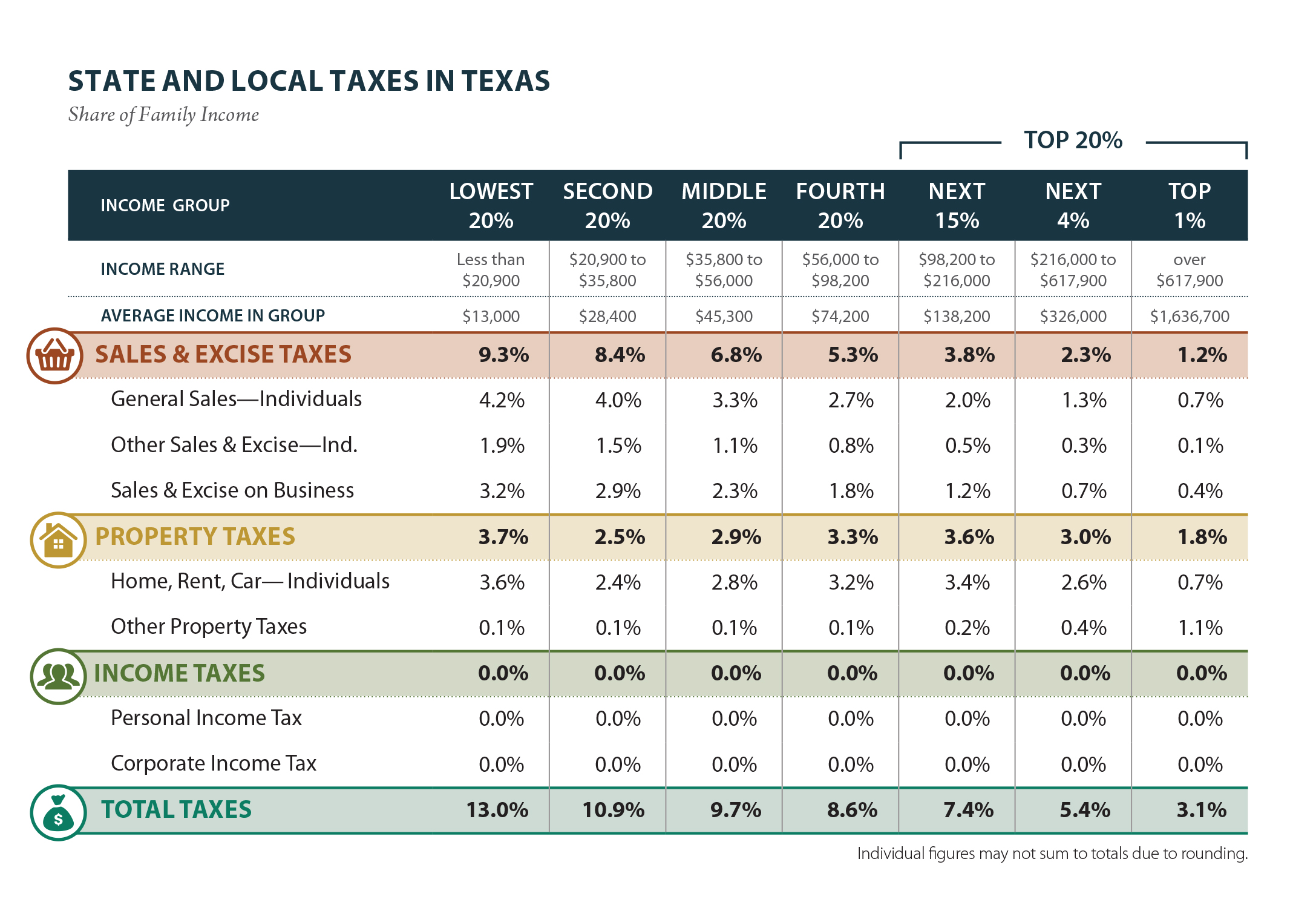
The first, absolute, headlining, scream-it-from-the-rooftops thing you need to know about Texas state taxes? There's no state income tax. Seriously! I know, right? You just felt a little flutter of joy in your chest, didn't you? That's the big one, the one everyone raves about when they talk about moving to the Lone Star State.
No State Income Tax: The Texas Unicorn!
Must Read
Yep, you heard that right. When April rolls around, Texans don't have to worry about a separate state income tax form on top of their federal one. Your paycheck is, well, more yours. Pretty sweet deal, huh? But before you start packing your bags and buying a ten-gallon hat, let's just gently nudge that thought along, because while that's a huge win, Texas still needs to pay for all its roads, schools, and other goodies. So, where does the money come from then?
That's where the other players on the tax field come in. It's not a free-for-all, folks. It's just a different kind of tax party.
The Big Two: Sales Tax and Property Tax
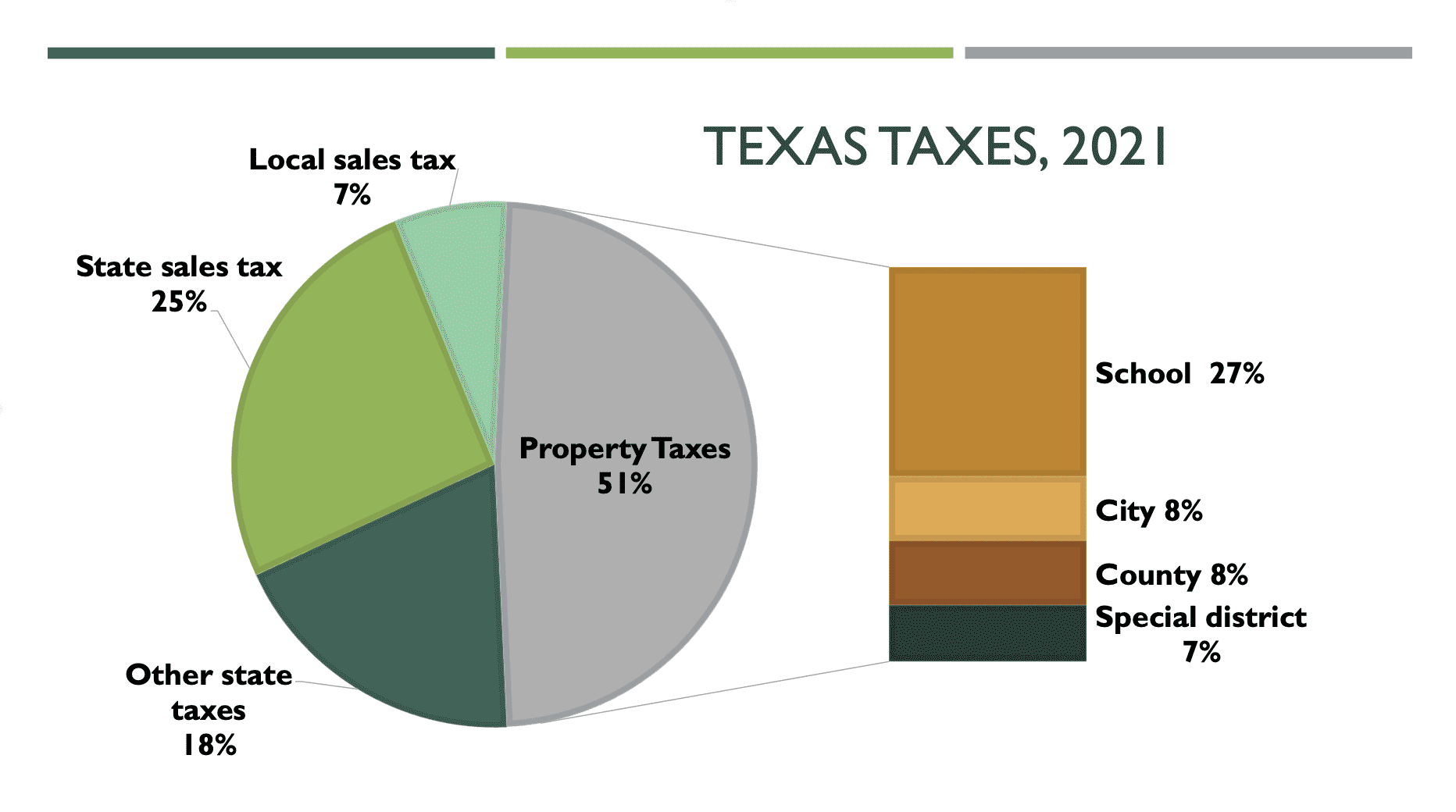
Okay, so no state income tax. But Texas isn't magically running on good vibes and barbecue smoke alone. The heavy lifting is done primarily by two big ones: sales tax and property tax. These are the workhorses, the unsung heroes (or villains, depending on your recent shopping spree or appraisal notice) that keep the state humming.
Let's dive into sales tax first, because you encounter this one pretty much every single day.
Sales Tax: Your Daily Contribution
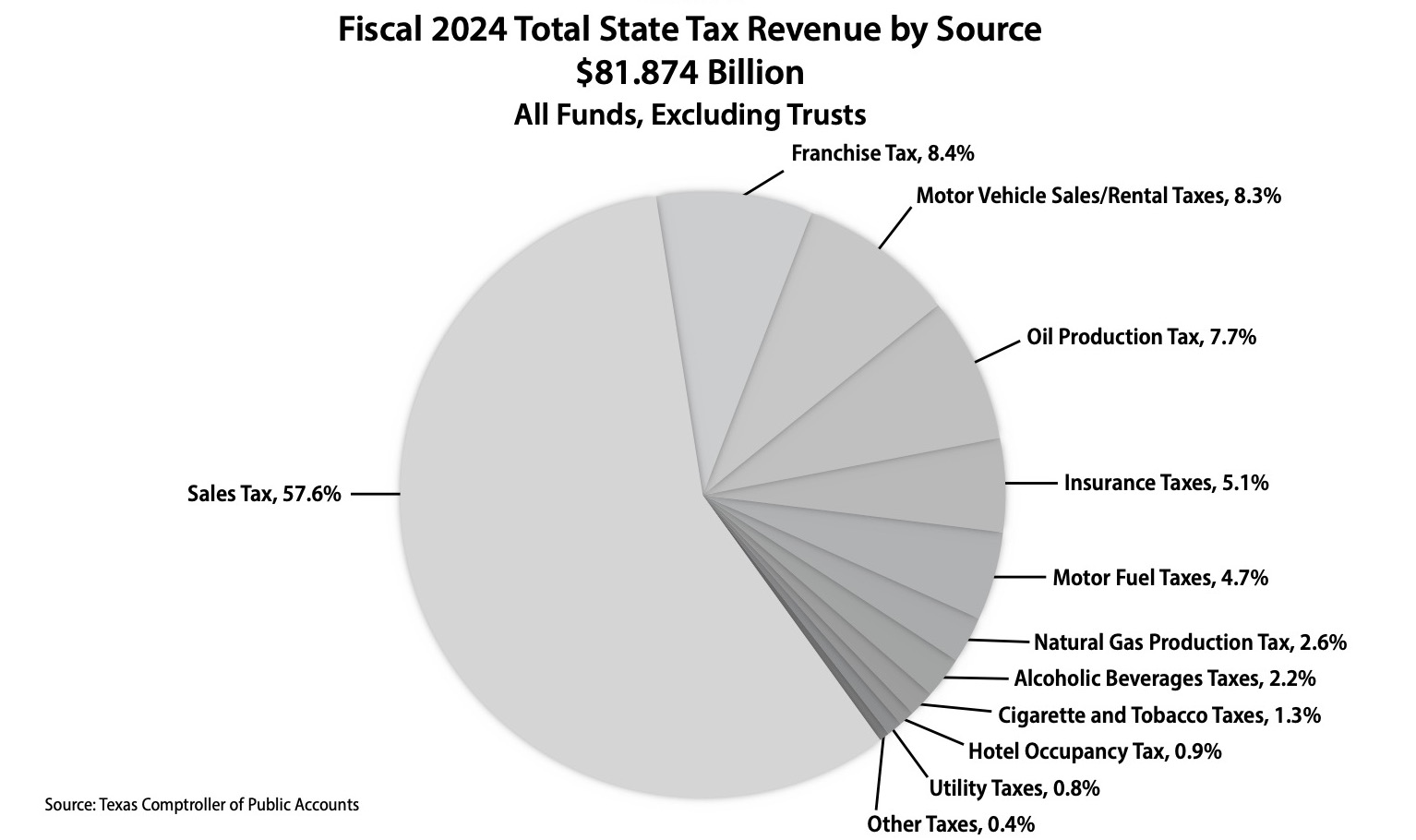
Think of sales tax as your everyday contribution to the Texas coffers. Whenever you buy something – that new shirt, a gadget, your morning coffee (but not your actual groceries, phew!) – a little extra percentage gets tacked on. The state portion of the sales tax is 6.25%. But wait, there's more! Local cities, counties, and special districts can add their own bit on top of that, usually up to 2%. So, in many places, you'll see a combined sales tax rate of 8.25%.
It adds up, doesn't it? That fancy new couch? Your dinner out? That car you just bought? All get a healthy dose of sales tax. But hey, at least you're not paying income tax, right? It's all about trade-offs, my friend.
Property Tax: The Big One for Homeowners
Now, this is where things get really interesting for homeowners in Texas. While there's no state property tax (another collective sigh of relief), the local property taxes can be eye-wateringly high. And I mean, like, "is this really my bill?" kind of high.

These local property taxes are collected by your city, county, school district (oh, those school districts take a big chunk!), and various other special districts like municipal utility districts (MUDs). They're based on the appraised value of your home, and those values have been, let's just say, on a journey lately.
So, you might not pay income tax, but your annual property tax bill could easily feel like you're paying a second mortgage. It's a significant consideration if you're thinking of buying a home here. We're talking thousands, sometimes tens of thousands, of dollars each year. It's how those local entities fund everything from police and fire to parks and, most notably, schools. It's a big part of the reason why Texas doesn't need an income tax.
Other Taxes: The Supporting Cast
Of course, there are other, smaller taxes that help keep the lights on:
- Franchise Tax: This one's for businesses, often called the "margins tax." Not something individuals typically deal with, but it's a significant revenue source.
- Motor Fuel Tax: Yep, that's baked into the price you pay at the pump. Gotta pay for those roads somehow!
- Alcoholic Beverage & Tobacco Taxes: Also known as "sin taxes." If you enjoy an adult beverage or a smoke, you're contributing a little extra to the state.
- Hotel Occupancy Tax: This is mainly for visitors staying in hotels. If you're traveling in Texas, you'll see it.
The Texas Tax Philosophy: Consumption and Property
So, why does Texas do it this way? It's largely a historical thing, focusing on taxing consumption (sales tax) and wealth (property tax) rather than income. This model is often touted as a way to attract businesses and people, because who doesn't love keeping more of their paycheck? But, as we've discussed, that money has to come from somewhere.
The net-net? Texas isn't tax-free. It's just differently taxed. You trade that state income tax for often higher sales tax on most purchases and, if you're a homeowner, a pretty substantial property tax bill. It's a balance, a give and take, just like any relationship, really!
So, there you have it. The lowdown on what state taxes look like in Texas. Now you're practically an expert. What do you say we refill those mugs?