What Are Some Renewable And Nonrenewable Resources

Okay, let’s talk resources. We use them every single day, often without even thinking about where they come from. From the electricity powering your phone to the gasoline in your car, resources are the unsung heroes (or sometimes, villains?) of modern life. But here's the kicker: they aren't all created equal. Some are like that friend who always refills your drink – they replenish themselves. Others are more like that limited-edition vinyl you snagged; once they're gone, they're gone. So, what’s the deal? Let’s break down the world of renewable and nonrenewable resources, shall we?
Renewable Resources: Nature's Replenishing Gift
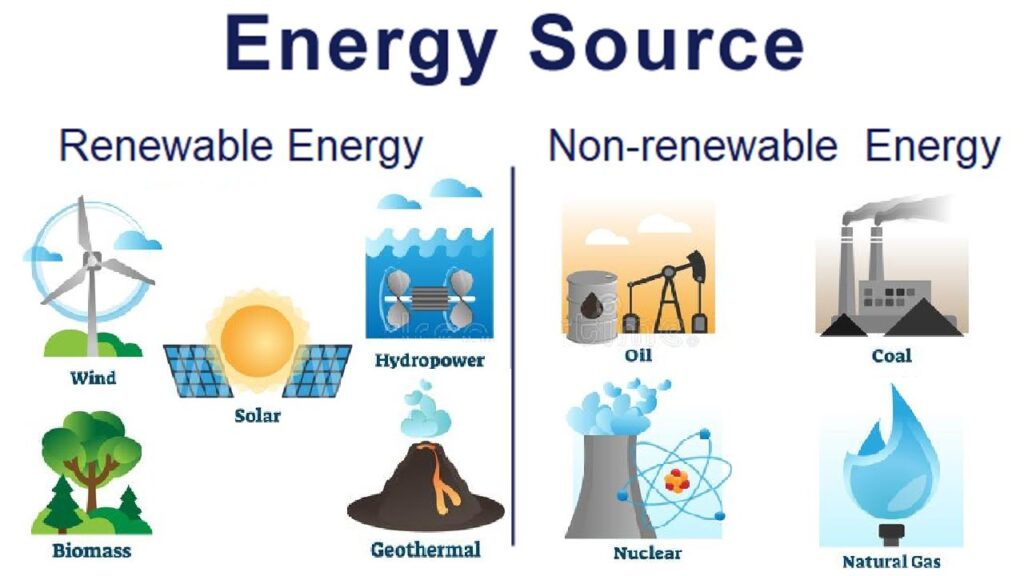
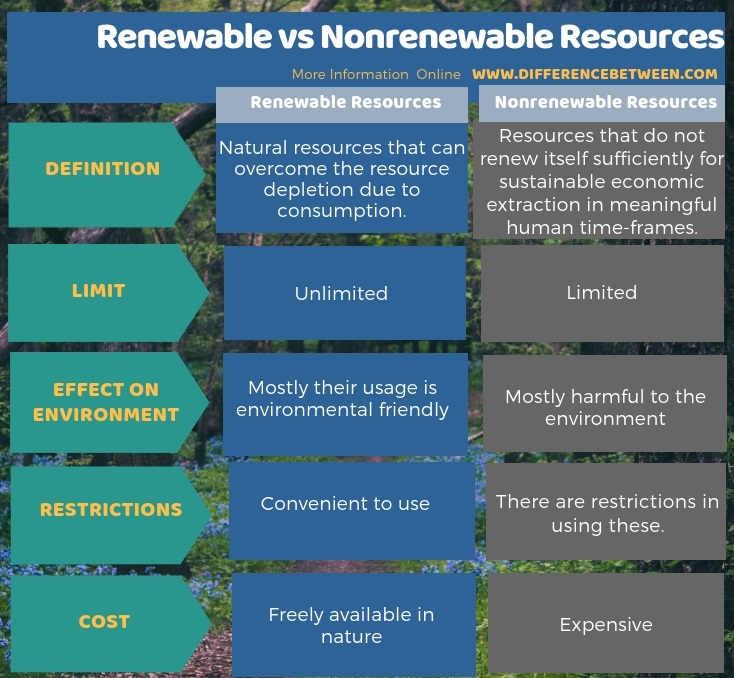
Think of renewable resources as the eco-friendly superstars. These are resources that Mother Nature can replenish at a rate comparable to, or faster than, our consumption. Imagine a self-filling pantry! Examples include:
- Solar Energy: Harnessing the power of the sun. It's abundant (especially if you live in California!) and relatively clean. Solar panels on your roof? That's you soaking up the sun's free energy!
- Wind Energy: Turbines turning in the breeze. Picture those majestic wind farms – they're converting wind into electricity. Fun fact: The Netherlands has been using windmills for centuries, initially for grinding grain and pumping water. Talk about a sustainable legacy!
- Hydropower: Utilizing the energy of flowing water. Dams, like the Hoover Dam, generate electricity by channeling the power of rivers.
- Geothermal Energy: Tapping into the Earth's internal heat. Think Iceland, where geothermal energy heats homes and powers industries. It's like having a giant, natural radiator under your feet!
- Biomass: Organic matter that can be burned for energy. Wood, crops, and even certain types of waste can be used as fuel. Just remember responsible forestry practices are key here.
Practical Tip: Small changes add up! Switching to LED light bulbs, which use less energy, is a simple way to reduce your reliance on nonrenewable resources.
Must Read
Nonrenewable Resources: The Finite Fellas
Now, let's talk about the resources that are in limited supply – the nonrenewable ones. These take millions of years to form, so once we use them up, they're essentially gone. Imagine using the last roll of your favorite wrapping paper, ever. That’s the vibe.

- Fossil Fuels: The biggies: coal, oil, and natural gas. These were formed from the remains of ancient plants and animals over millions of years. They’re convenient and energy-dense, but their extraction and burning release greenhouse gases that contribute to climate change. Think of those classic cars – beautiful, but not exactly eco-friendly.
- Nuclear Energy: Uranium is a key element used in nuclear power plants. It doesn’t produce greenhouse gases, but it does create radioactive waste that needs to be carefully managed.
- Minerals: Things like iron ore, copper, and aluminum. These are essential for building everything from skyscrapers to smartphones. Recycling these minerals is crucial to extending their lifespan.
Cultural Reference: Remember the movie "Mad Max: Fury Road"? It's a dystopian vision of a world where resources, especially oil, are scarce and fiercely fought over. A stark reminder of what can happen if we're not careful!
Why Does It All Matter?
Understanding the difference between renewable and nonrenewable resources is essential for a sustainable future. Relying too heavily on nonrenewable resources leads to environmental problems like pollution, climate change, and resource depletion. Shifting towards renewable sources is not just about being "green"; it's about ensuring that future generations have access to the resources they need to thrive.
Fun Little Fact: Did you know that scientists are exploring innovative ways to recycle rare earth elements from electronic waste? It's like urban mining – turning our old gadgets into treasure troves of valuable materials!
A Moment for Reflection
So, the next time you flip a light switch, drive your car, or use your phone, take a moment to think about the resources that made it all possible. Are they renewable or nonrenewable? What small changes can you make in your daily life to reduce your reliance on finite resources? Even switching to reusable water bottle or being mindful of your energy consumption can make a difference. It's not about perfection, but about progress, and becoming more conscious consumers.