
What Are Some Of The Renewable Energy Sources
Hey! So, we were just talking about… you know… saving the planet and stuff, right? And that always leads to, like, "What even ARE renewable energy sources?" Don't worry, I got you! Let's spill the (environmentally friendly) tea.
Solar Power: Shine Bright Like a Diamond (But for Energy)
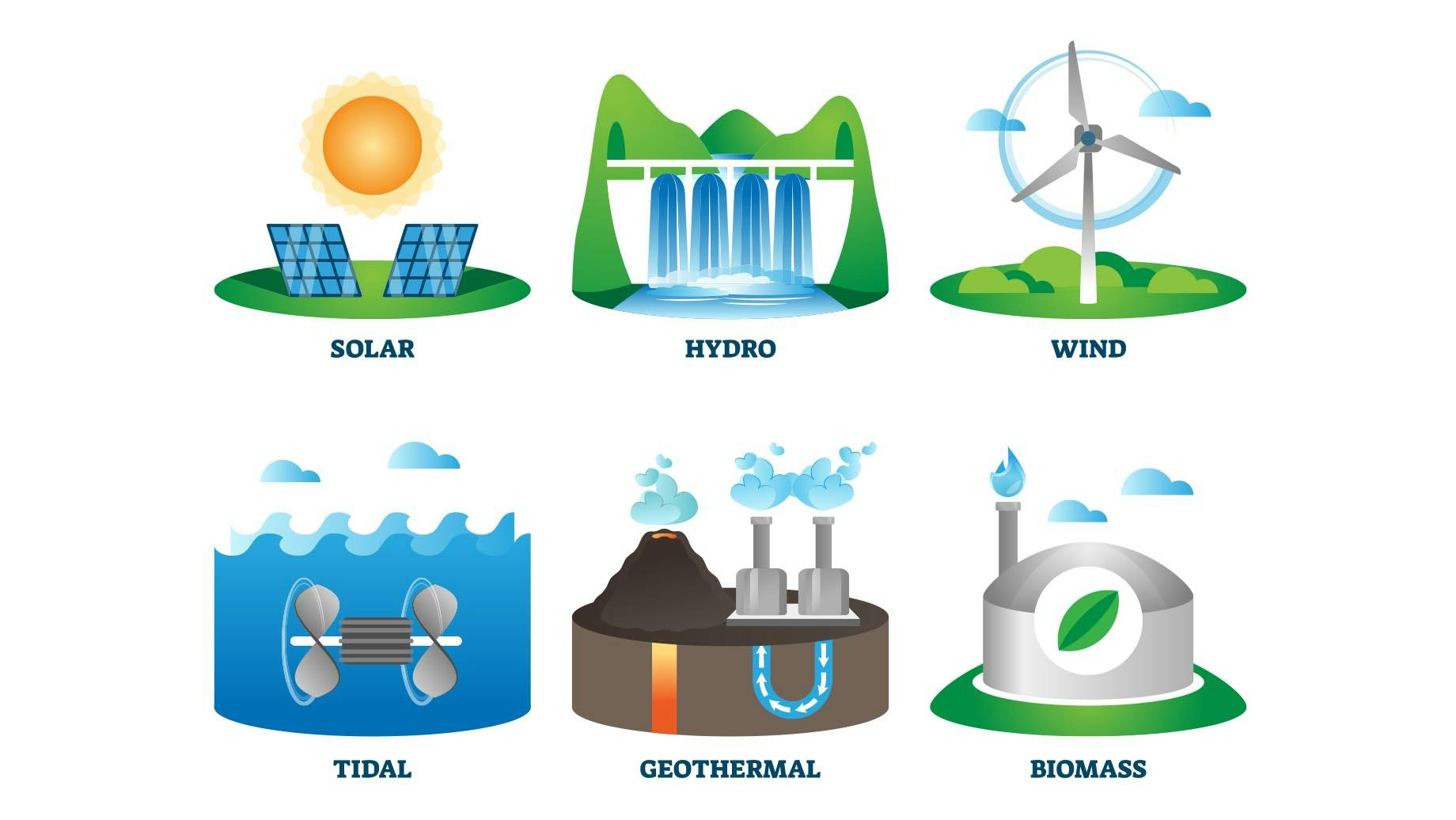
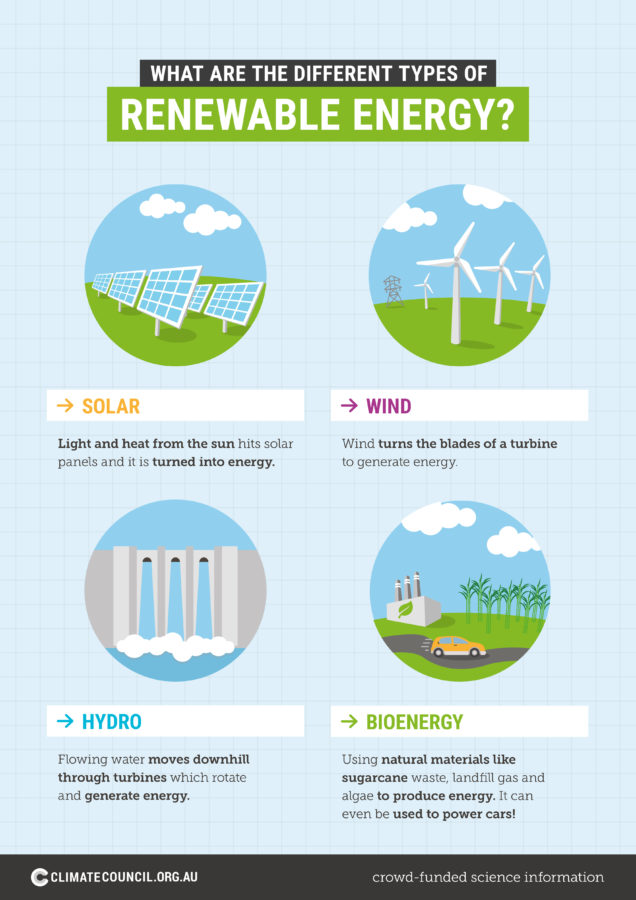
First up, we got solar power! Think of those sleek, dark panels you see on rooftops. They're not just for show, you know. They're grabbing the sun's energy and turning it into electricity. Pretty cool, huh?
It's basically like being able to bottle the sunshine. Okay, maybe not literally, but still! Advantages? The sun is kinda, you know, always there. Except at night, of course. But even on cloudy days, those panels are still working! Disadvantages? Well, they’re not exactly cheap to install initially, and efficiency can depend on weather conditions. But hey, long-term savings and a clear conscience? Totally worth it!
Must Read
Wind Power: Go With the Flow (Of Electricity)
Next, we’ve got wind power. Picture those giant windmills (technically called wind turbines) spinning majestically. They're not just for Don Quixote to tilt at anymore! They're capturing the kinetic energy of the wind and turning it into, you guessed it, electricity!
Pros? Wind is another resource we’ve got in abundance – especially in certain areas. It's clean, it's green, it's… breezy! Cons? Some people think they're eyesores (beauty is in the eye of the beholder, I always say!), and the wind doesn’t always blow exactly when you need it to. Mother Nature has a schedule all her own. But, overall, a fantastic renewable resource!
Hydropower: Water You Waiting For?
Ah, hydropower. This one’s been around for a while! Remember those old mills turning with the river's current? Well, modern hydropower is basically the same idea, just bigger and fancier. We use dams to control the flow of water, and that water spins turbines to generate electricity.
The good stuff? Hydropower is super efficient and reliable (when the water’s flowing, anyway!). The not-so-good? Building dams can have a big impact on the environment, like affecting fish populations and changing river ecosystems. So, it's a bit of a balancing act.
Geothermal Energy: Hot Stuff From Under the Earth
Okay, this one is a little more… underground. Literally! Geothermal energy uses the Earth's internal heat to generate electricity or even heat buildings directly. Think of it as tapping into a giant, natural, underground boiler!

It's super sustainable and reliable because the Earth is always hot down there. Talk about a constant source of energy! The downsides? It's not available everywhere (you need to be near a geothermal hotspot, like Iceland), and setting it up can be a bit expensive. Still, when it works, it really works!
Biomass Energy: Turning Trash Into Treasure
Last but not least, we have biomass energy. This one's all about using organic matter (like wood, crops, and even… garbage!) to create energy. We can burn it, ferment it, or turn it into biofuels.
On the plus side, it can reduce waste and create energy from stuff we'd otherwise throw away. How cool is that? The catch? It can still release some emissions when burned, so it's not quite as squeaky-clean as some of the other options. But hey, progress, not perfection, right?
So, there you have it! A quick rundown of some of the major renewable energy sources. Each one has its pros and cons, but the important thing is that we’re moving away from fossil fuels and towards a more sustainable future. And who knows, maybe one day we'll be powering the whole world with sunshine, wind, and… well, maybe not garbage, but you get the idea!
Isn't it exciting to think about what the future holds? Now, refill your coffee – we've got a planet to save!
