What Are Some Examples Of Renewable Energy Sources
Isn't it satisfying to know where your energy comes from? Think about flipping a light switch, charging your phone, or even brewing a cup of coffee. We rely on energy every single day, often without giving it a second thought. But what if that energy could come from sources that are not only reliable but also good for the planet? That's where renewable energy shines!
Renewable energy sources are all about tapping into the Earth's natural resources that replenish themselves over time. Unlike fossil fuels like coal and oil, which are finite and contribute heavily to pollution, renewable energy offers a cleaner, more sustainable way to power our lives. The benefits are huge: reduced greenhouse gas emissions, improved air quality, and a more secure energy future. It's like choosing a healthy diet for the planet – good for you now, and even better for generations to come.
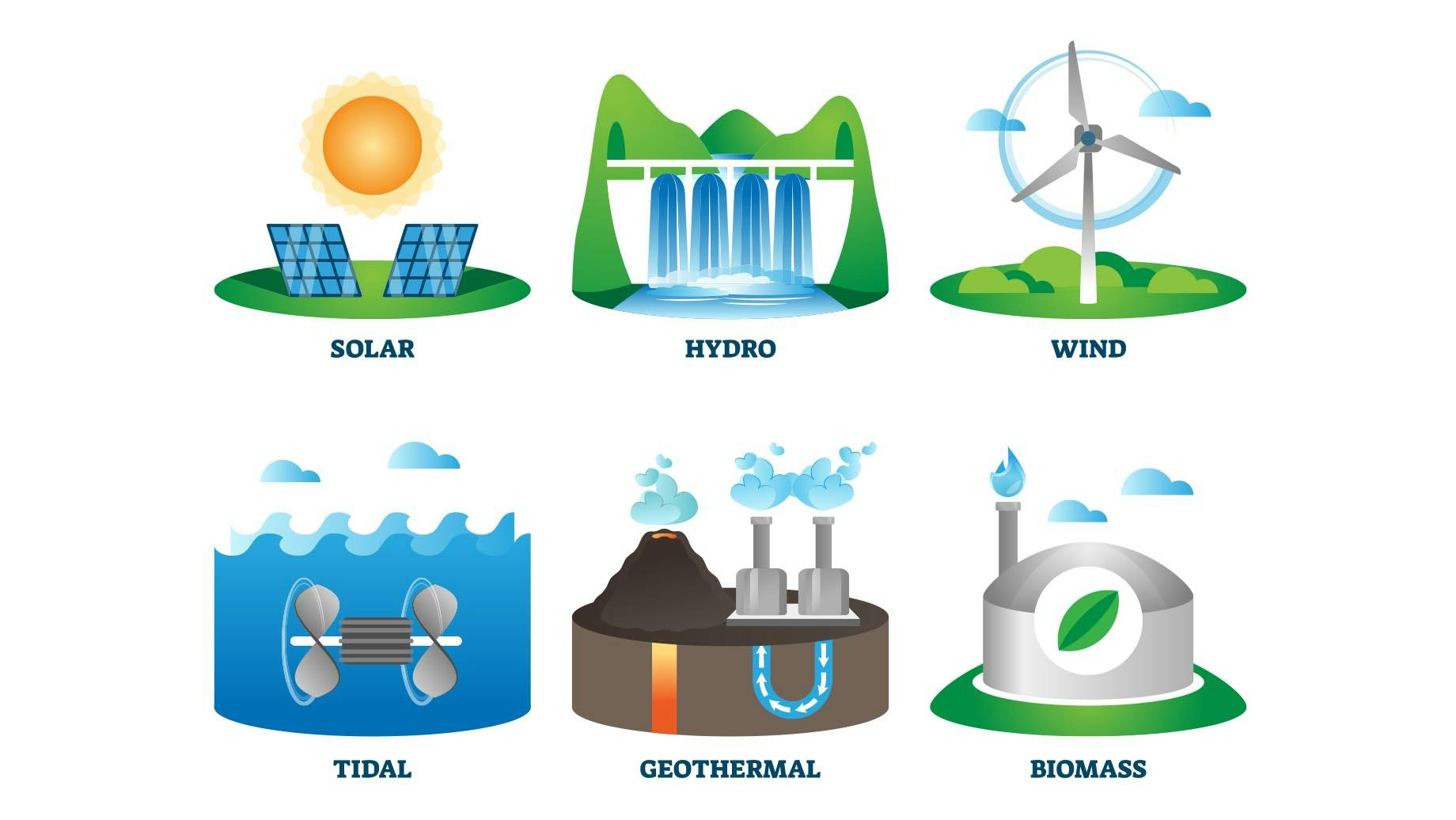
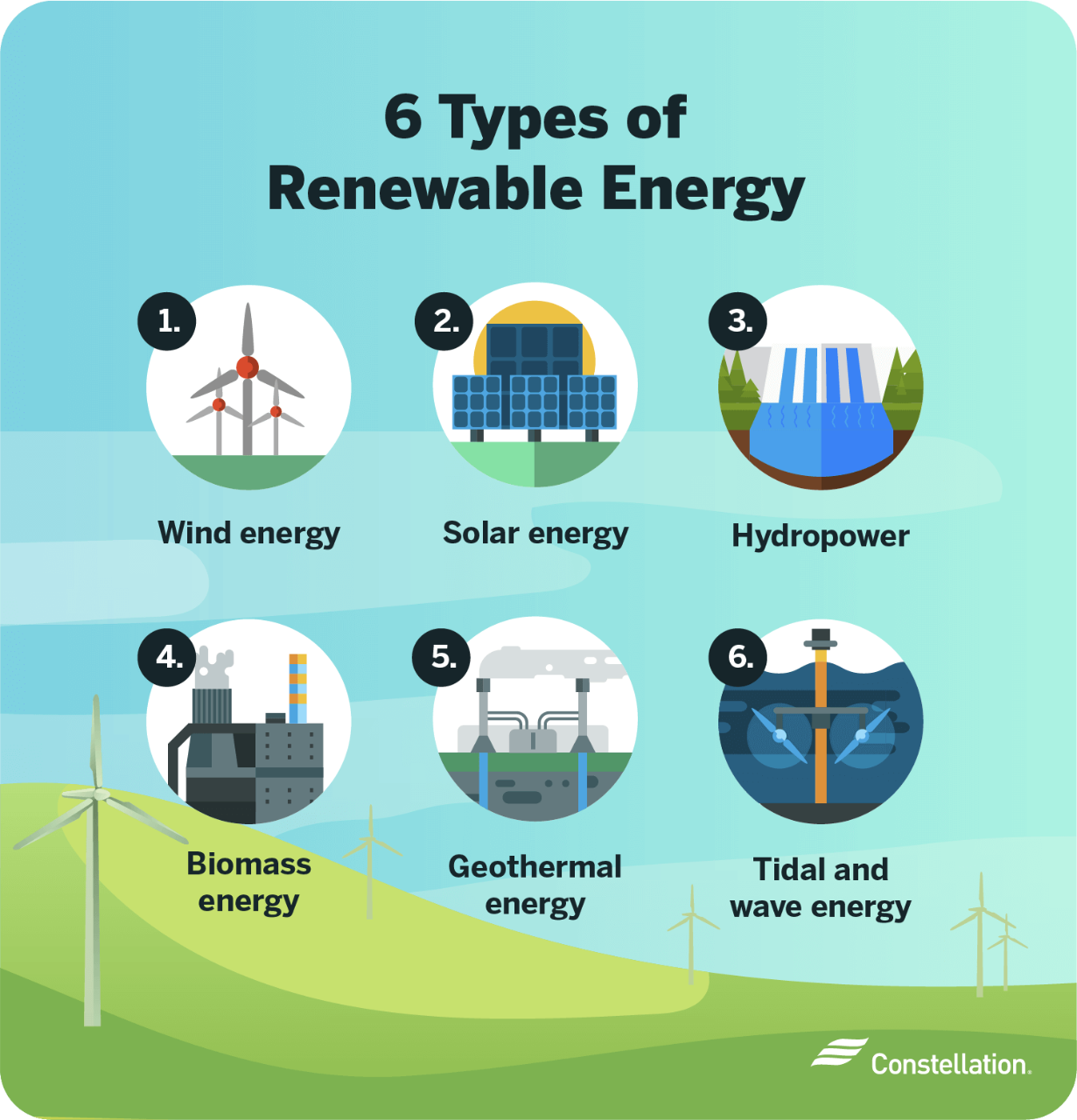
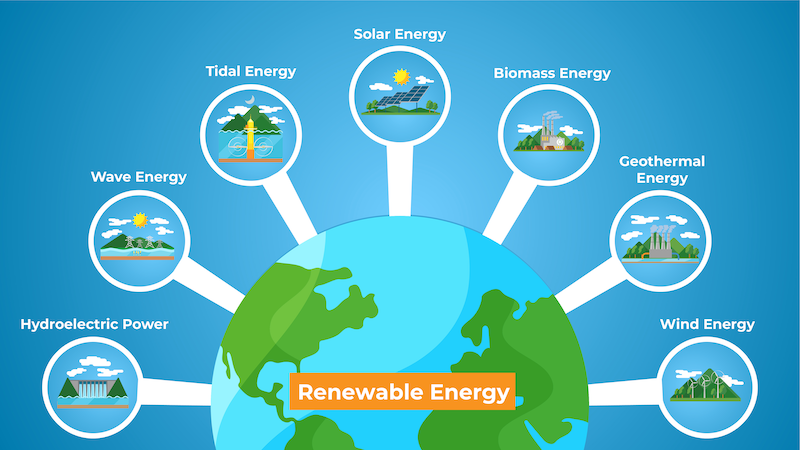
So, what exactly are these magical renewable energy sources? Here are a few common examples:
Must Read
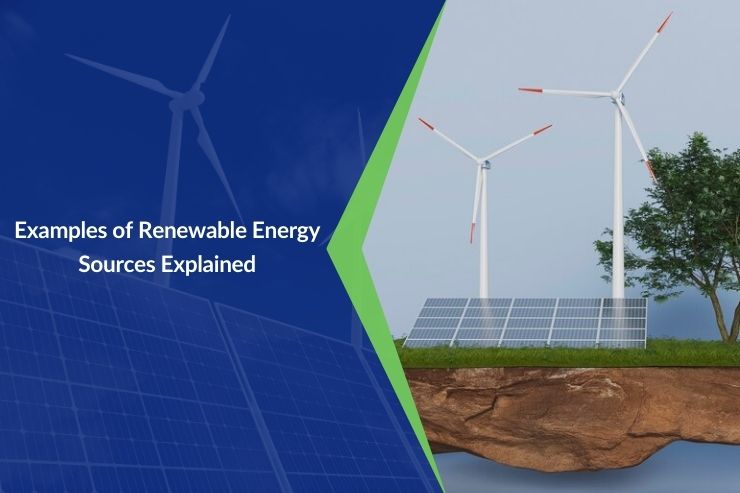
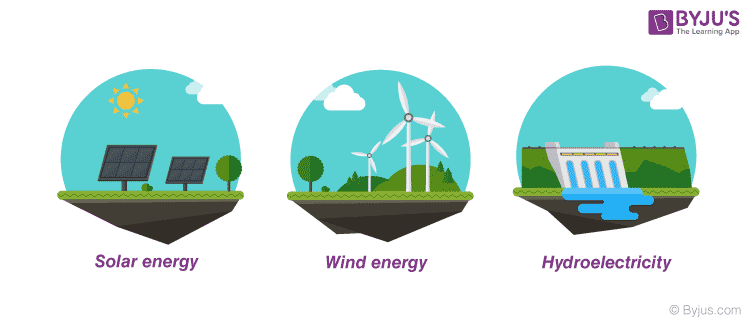
- Solar Power: Harnessing the sun's energy with photovoltaic (PV) cells on solar panels. You see them on rooftops, in solar farms, even powering small devices like calculators. Think of it as free sunshine converted into electricity!
- Wind Power: Using wind turbines to convert the kinetic energy of the wind into electricity. These majestic giants are often grouped together in wind farms, providing power to entire communities. They are a true testament to the power of nature.
- Hydropower: Generating electricity from the movement of water, usually through dams. This is one of the oldest and most established forms of renewable energy.
- Geothermal Energy: Tapping into the Earth's internal heat to generate electricity or heat buildings directly. Iceland is a fantastic example of a country that heavily utilizes geothermal energy.
- Biomass Energy: Burning organic matter, like wood, crops, or waste, to generate heat or electricity. While it can be controversial depending on the source and method, it's considered renewable because these materials can be regrown or replenished.
You might think renewable energy is just for big corporations or government projects, but there are ways to incorporate it into your everyday life! Here are a few practical tips:
- Consider solar panels for your home: While the initial investment can be significant, the long-term savings on your electricity bill are substantial. Plus, many governments offer incentives to help offset the cost.
- Choose green energy plans: Many electricity providers offer plans that source their energy from renewable sources. It might cost a little more, but you're directly supporting the growth of clean energy.
- Reduce your energy consumption: Simple things like turning off lights when you leave a room, using energy-efficient appliances, and improving your home's insulation can make a big difference.
- Support businesses committed to sustainability: Vote with your wallet by choosing companies that prioritize renewable energy and environmentally friendly practices.
Ultimately, embracing renewable energy is about making conscious choices that benefit both ourselves and the planet. It’s about understanding that the energy we use has an impact, and choosing sources that minimize that impact. By embracing renewable energy, we're not just powering our homes and businesses, we're powering a brighter future for everyone. So next time you flip that switch, take a moment to appreciate the potential of clean, sustainable energy!