What Are Some Compounds That Are Made From Copper
Copper: that warm, reddish-brown metal that's been captivating us for millennia! Beyond its use in pennies and plumbing, copper plays a surprisingly colorful role in the world of art and chemistry. It's the secret ingredient behind vibrant pigments, dazzling glazes, and fascinating at-home science experiments. So, prepare to be amazed by the compounds born from this versatile element!
For artists, hobbyists, and even the casually curious, understanding copper compounds unlocks a world of creative possibilities. Imagine crafting breathtaking turquoise patinas on sculptures, painting with richly colored greens and blues, or creating stunning ceramic pieces with unique glazes. Copper compounds are relatively accessible, offer a diverse range of effects, and add a touch of alchemical magic to any artistic endeavor. Learning about them can transform a simple craft project into an exciting exploration of color and chemistry.
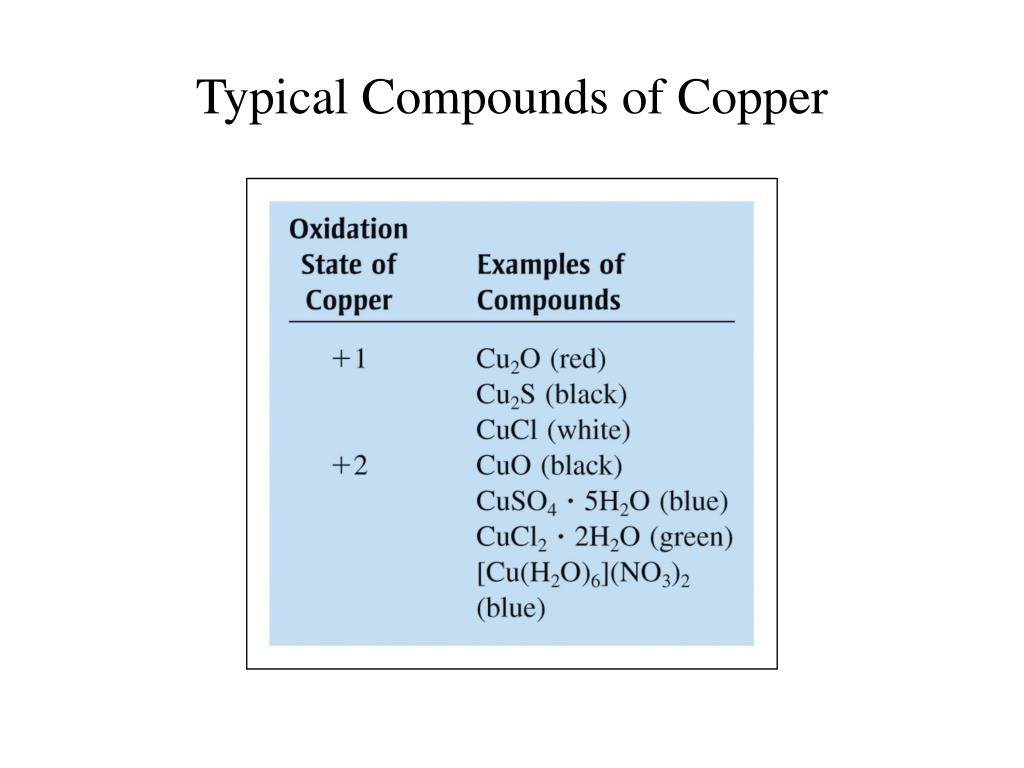
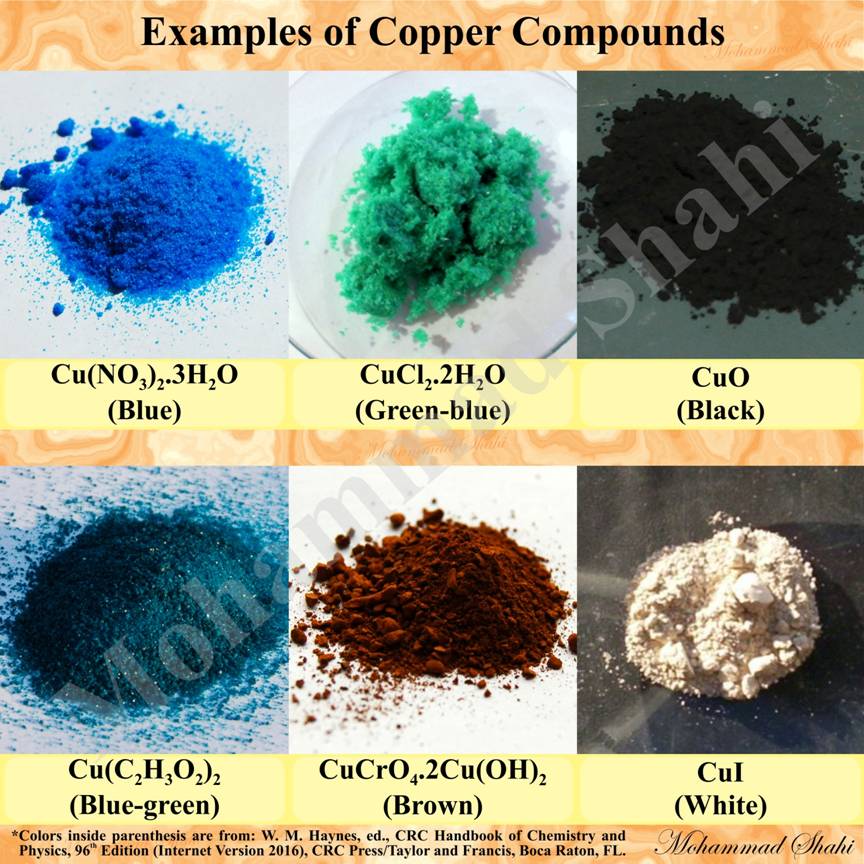
What exactly are some of these captivating compounds? One of the most well-known is copper sulfate (CuSO₄), often found as beautiful blue crystals. Dissolved in water, it can be used for electroplating or creating stunning crystal gardens. Another key player is copper carbonate (CuCO₃), a green pigment that has been used in paints for centuries. Think of the lush greenery in Renaissance paintings – copper carbonate likely played a role! Then there's copper oxide (CuO), which can produce black glazes in ceramics or be used to create a variety of colorful effects depending on firing conditions. And let's not forget copper acetate (Cu(CH₃COO)₂), responsible for the iconic green patina found on the Statue of Liberty and often imitated in art.
Must Read
Want to experiment with copper compounds at home? Here are a few tips: Always wear appropriate safety gear, including gloves and eye protection. Start with small quantities and work in a well-ventilated area. A simple experiment is creating a crystal garden using copper sulfate. You can find copper sulfate at many garden supply stores (often used as a root killer) or online. Simply dissolve it in water, add some charcoal briquettes or sponges as a base, and watch the crystals grow over time. Another easy project involves creating a vinegar and salt solution (acetic acid and sodium chloride) and placing a clean copper penny in it. Observe how the copper reacts over time, forming copper chloride compounds. Remember to thoroughly research any experiment before you begin and dispose of chemicals responsibly.
Ultimately, exploring copper compounds is enjoyable because it bridges the gap between art and science. It's about more than just mixing chemicals; it's about understanding the reactions that create color, texture, and beauty. It's about unlocking the secrets of ancient artists and harnessing the power of chemistry to create something unique and inspiring. So, embrace the adventure and discover the fascinating world of copper compounds – you might just uncover your inner alchemist!