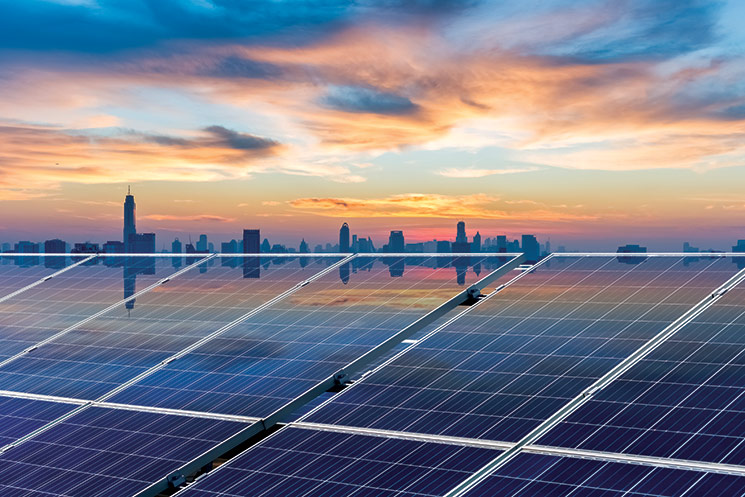
What Are Solar Energy Advantages And Disadvantages
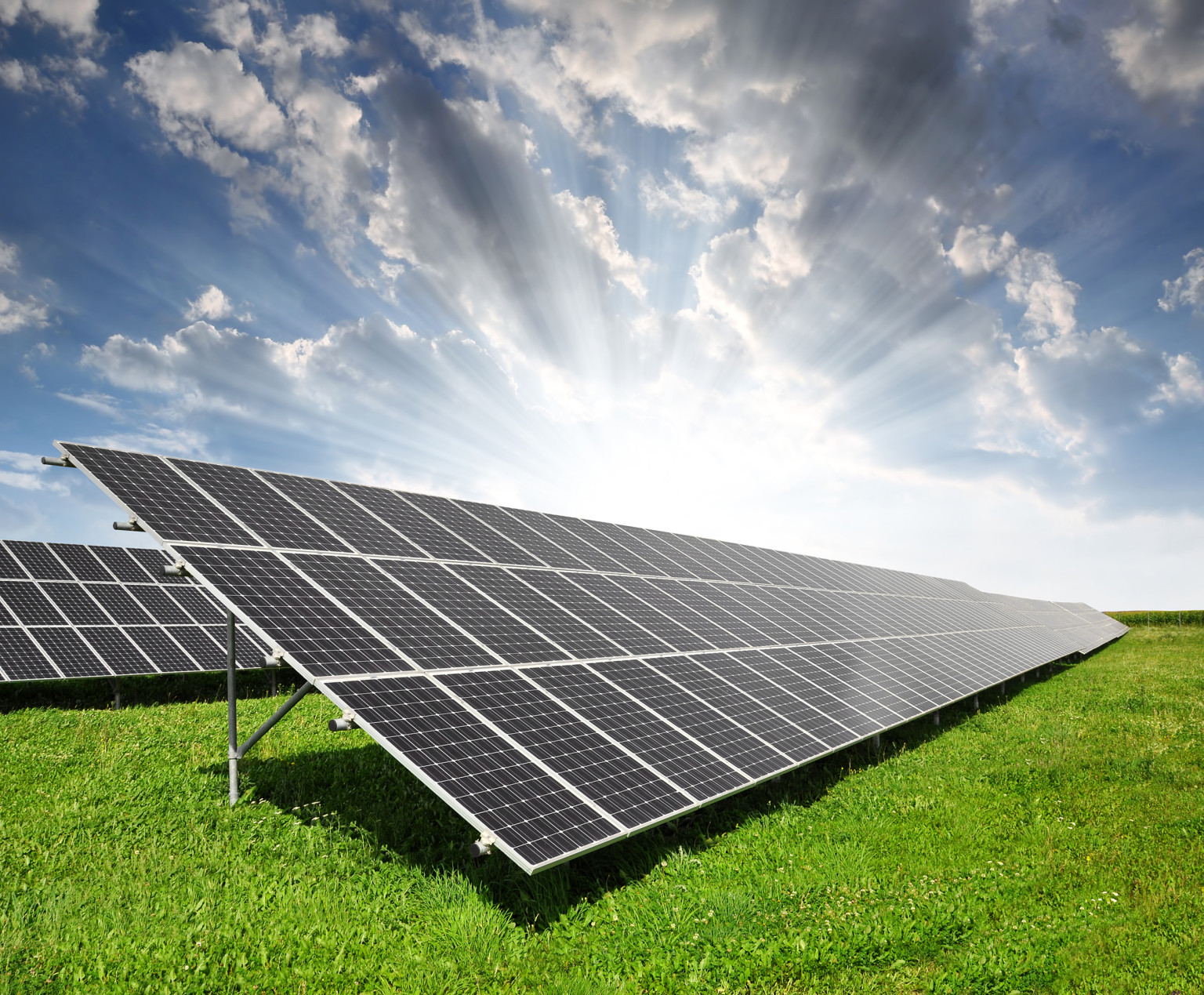
Let's face it, talking about energy can sound a bit… dull. But stick with me! Solar energy? That's actually pretty fascinating! Think about it: free energy from the sun, powering our lives. It's like science fiction becoming reality. Whether you're curious about reducing your carbon footprint, saving money, or just fascinated by cool technology, understanding the pros and cons of solar energy is super helpful. So, let's dive in!
Why bother understanding solar energy? For beginners, it's about grasping the basic concept: the sun's rays hit solar panels, creating electricity. For families, it's about the potential to lower those hefty energy bills and teach kids about sustainability. And for the DIY enthusiasts and hobbyists? Well, solar opens a whole world of possibilities, from powering a garden shed to building your own off-grid system. Everyone can find a reason to be interested!
The Sunny Side Up: Advantages of Solar Energy
Must Read
First and foremost, it's renewable. The sun isn’t going anywhere anytime soon (we hope!). This means a virtually endless supply of clean energy. Secondly, it's environmentally friendly. Solar power significantly reduces our reliance on fossil fuels, leading to lower greenhouse gas emissions and a smaller carbon footprint. And then there's the cost savings. While the initial investment can be significant, solar panels can drastically reduce your monthly electricity bills, and in some cases, even eliminate them altogether. Plus, many governments offer incentives like tax credits and rebates to encourage solar adoption.
A Few Clouds on the Horizon: Disadvantages of Solar Energy
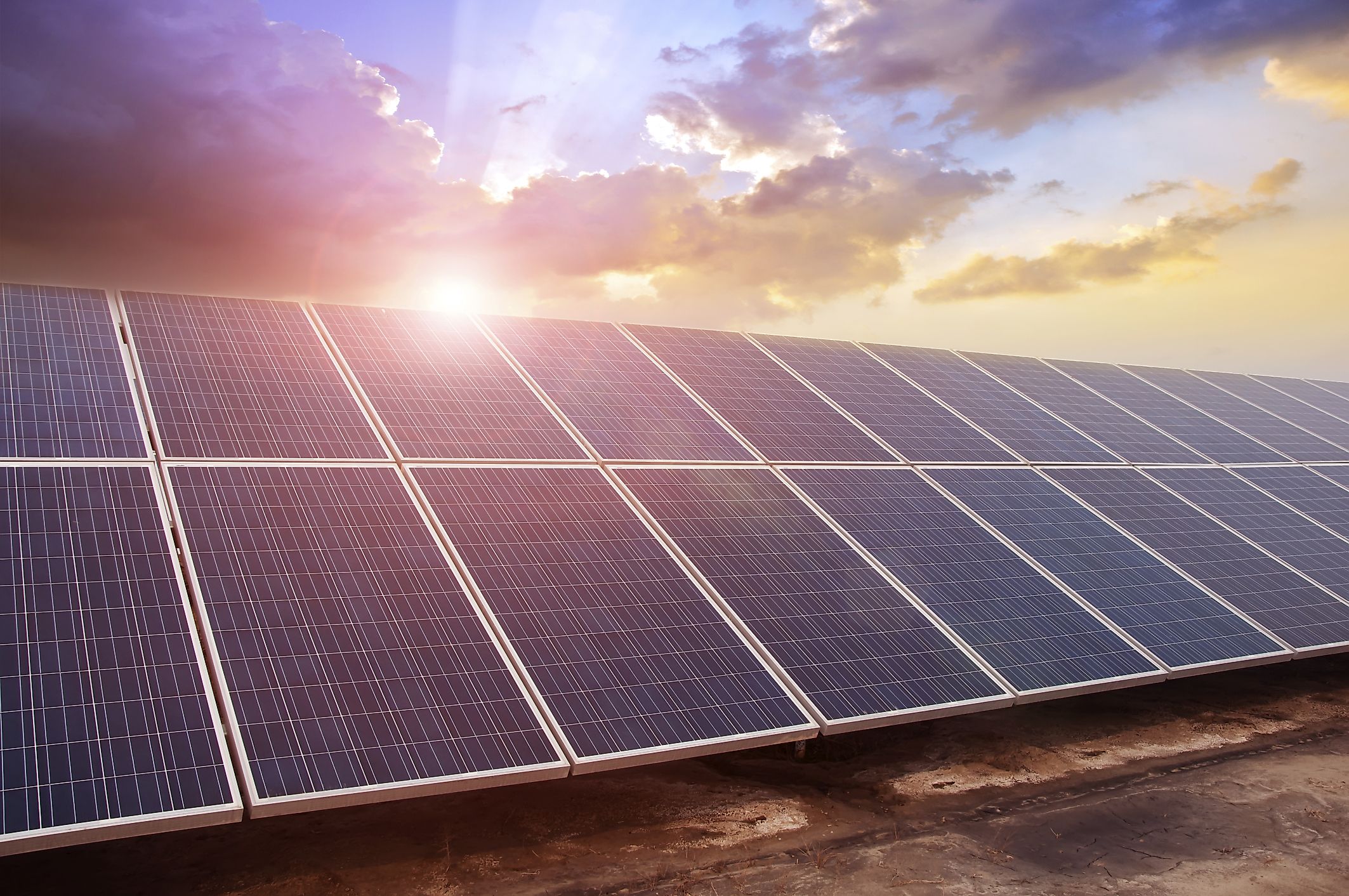
The biggest downside is arguably the initial cost. Installing solar panels can be expensive. However, prices have been steadily decreasing in recent years. Another factor to consider is intermittency. Solar panels only generate electricity when the sun is shining. This means energy production fluctuates based on weather conditions and time of day. Battery storage can help mitigate this, but it adds to the overall cost. Finally, space can be a limiting factor. Solar panels require a certain amount of surface area to generate a significant amount of electricity. This can be a problem for those with limited roof space.
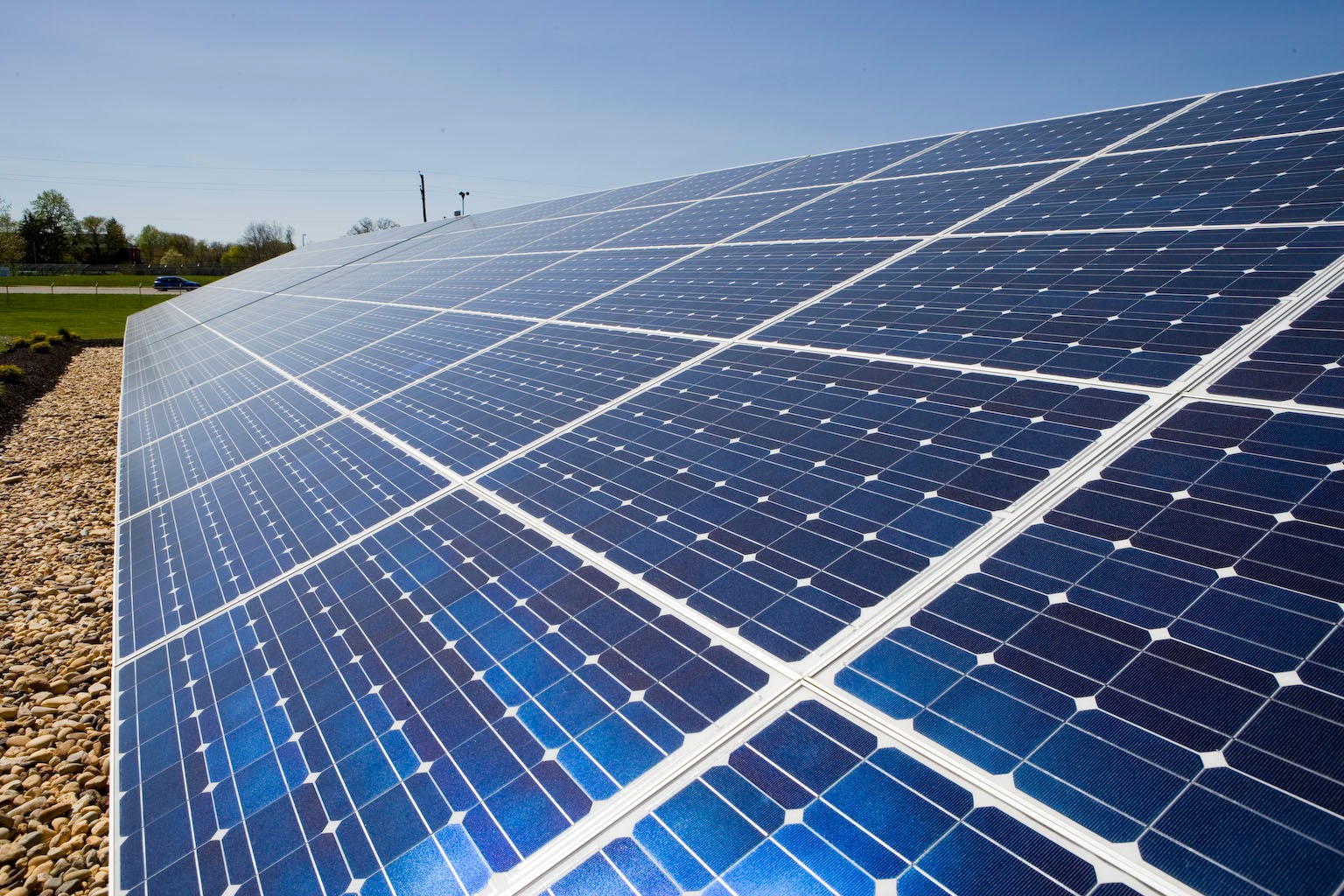
Examples & Variations: Think beyond just rooftop panels! Solar power is used in everything from small portable chargers for your phone to massive solar farms that power entire cities. There are even solar-powered water heaters and solar ovens for cooking! You can also choose between different types of solar panels, like monocrystalline (more efficient, but pricier) and polycrystalline (more affordable, but slightly less efficient).
Getting Started: Baby Steps to Solar Power
Feeling intrigued? Start small! Look into getting a solar-powered phone charger or garden light. Research local solar installers and get quotes to understand the cost and potential savings for your home. Explore government incentives and financing options. Even just following news and advancements in solar technology can be a fun way to learn more!
Ultimately, understanding the advantages and disadvantages of solar energy allows you to make informed decisions. Whether you're aiming for complete energy independence or simply trying to save a few bucks on your electricity bill, solar power offers a compelling path towards a more sustainable and potentially more affordable future. It's not just about the numbers; it's about contributing to a healthier planet, one sunbeam at a time. So, embrace the power of the sun and see what it can do for you!