What Are Signs Of A Gas Leak
Ever wondered what it's like to be a detective? To uncover hidden clues and solve a mystery that's right under your nose, or perhaps, in the air around you? While we usually associate gas with something invisible and odorless, knowing the signs of a gas leak is like having a secret superpower – it’s about tuning into your senses and becoming aware of subtle hints that something might be amiss. It’s not about being paranoid, but about being aware and curious about the world your home inhabits. So, let's explore some of these fascinating signals your environment might be sending, like a friendly whisper trying to get your attention!
The Ol' Sniffer Test: What's That Smell?
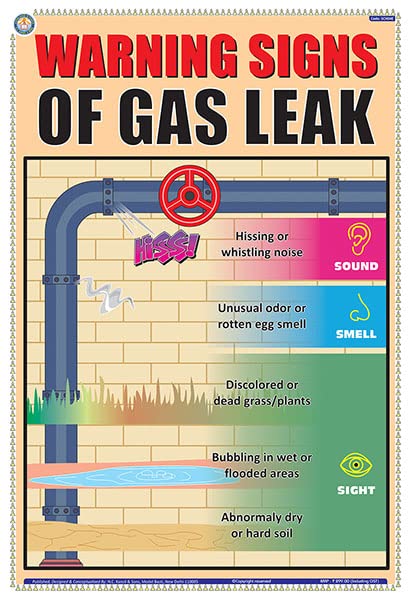
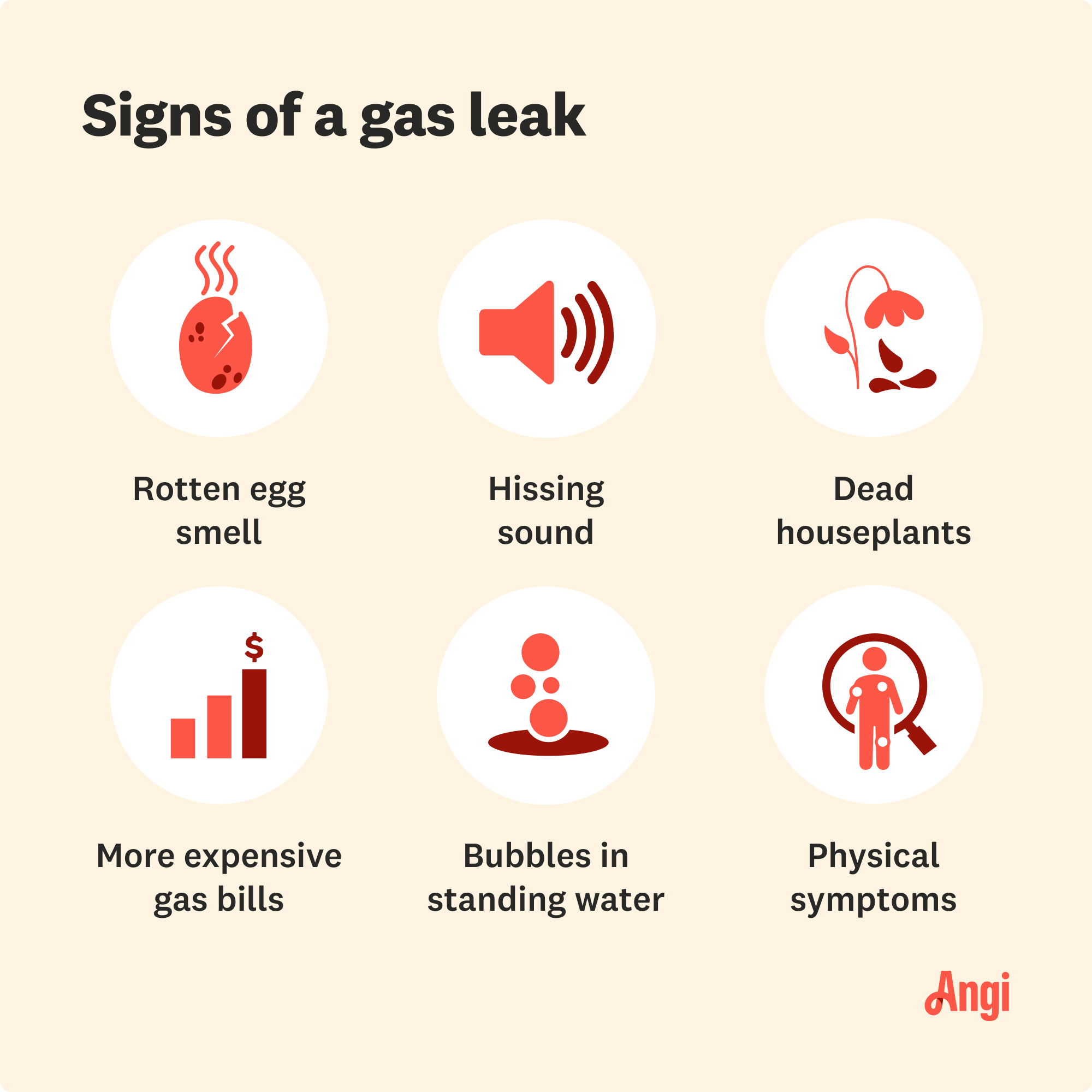
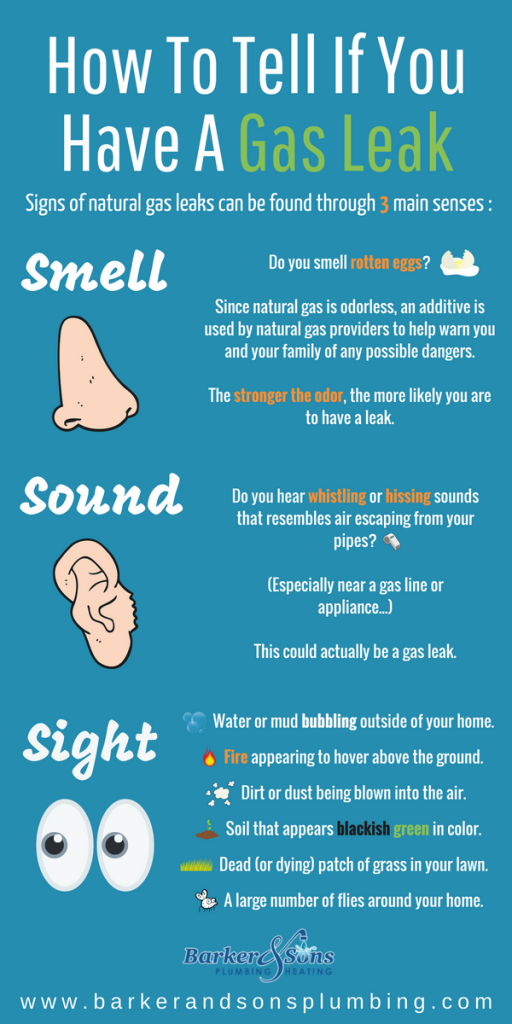
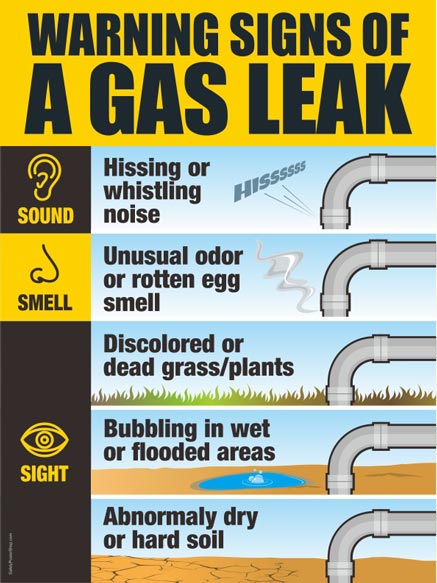
Okay, let's start with the most famous one. Natural gas, in its pure form, is actually pretty shy – it has no smell. Totally odorless! But gas companies, being the clever folks they are, add a special ingredient called mercaptan to it. And what does mercaptan smell like, you ask? Think of the most memorable, pungent aroma you can imagine: rotten eggs. Yes, that's right! It's that distinctive, sulfur-like stench that will definitely make your nose crinkle.
Imagine a cartoon skunk has just sprayed its potent perfume in your kitchen. Or perhaps a science experiment involving very old, very bad eggs has gone horribly wrong. That's the kind of strong, unmistakable odor you're looking out for. It's a smell designed to be noticed, to be a giant, invisible "heads up!" sign waving frantically. So, if your home suddenly smells less like fresh cookies and more like a forgotten breakfast that's been stewing for a week, pay attention. Your nose just became your first line of defense!
Must Read
Hear That Hiss? The Sound of Trouble
Sometimes, a gas leak doesn't just assault your nostrils; it also makes its presence known through sound. Picture a tiny, invisible creature trying to escape through a crack. You might hear a quiet but persistent hissing or whistling sound near a gas line or appliance. It's not always super loud, like a train whistle, but more like a subtle, insistent whisper.
Think of it like a tire slowly deflating, or the sound of air escaping from a tightly sealed bag that's just developed a pinhole. That soft, steady "psssssst" sound is the gas under pressure finding its way out. It’s a clue that demands your auditory attention. If your water heater or stove suddenly sounds like it's harboring a tiny, leaky air mattress, it’s worth a closer listen. Your ears, it turns out, can be just as good as your nose at playing gas leak detective!

Nature's Nudges: Visual Clues Around You
This is where things get truly interesting and a bit like a scavenger hunt! Gas leaks can sometimes reveal themselves through visual cues, especially if they’re happening outdoors with underground pipes. Have you ever seen bubbles in puddles or wet areas near your house where there shouldn't be any? It's like the water is subtly carbonated, but without the refreshing fizz. This could be gas bubbling up through the water.
Or perhaps you notice something peculiar about your garden. Are patches of your grass or plants near a gas line suddenly looking a bit sad and unusually dry or dead? Gas leaking into the soil can displace oxygen, essentially suffocating the plants around it. It's like your garden is sending you a very clear, albeit tragic, postcard: "SOS, something's wrong down here!" Even stirred-up dirt or dust blowing up from the ground could be a silent signal. Your outdoor spaces can be surprisingly chatty if you know how to interpret their silent language.
When Your Body Tries to Tell You Something
This is perhaps the most serious, yet often overlooked, category of signs. If you're exposed to a significant amount of leaking gas, your body might start waving its own red flags. You might experience headaches, dizziness, nausea, fatigue, or even difficulty breathing. Think of it like feeling inexplicably "off" or "unwell," almost like you're coming down with something, but without the usual cold symptoms.
These symptoms are your body's way of saying, "Hey, the air quality isn't quite right here!" It’s crucial to remember that these aren't just minor inconveniences; they're your internal alarm system blaring. If multiple people in a household start feeling similar, unusual symptoms at the same time, especially when they only feel them inside the house, it’s a powerful clue that something in the environment might be the culprit. Trust your gut (and your head!) on this one – it’s often trying to protect you.
Your Appliances Are Acting Weird
Sometimes, the source of the leak gives itself away directly through its behavior. Your gas appliances, like your stove, oven, or water heater, are usually pretty predictable. But if you notice a pilot light that keeps going out unexpectedly, or a burner flame that's suddenly more orange or yellow instead of a steady blue, those are strong hints. A healthy gas flame is usually blue – if it looks like a campfire flame, it's not burning efficiently, and that could mean a problem.
Look for visual cues around the appliance itself. Are there soot or scorch marks appearing where they weren't before? This suggests incomplete combustion or a leak around the connection. It’s like your appliance is acting like a grumpy toddler, kicking up a fuss and leaving little messes everywhere because something isn't quite right. These appliances are designed to be safe, but when they start acting peculiar, it’s time to become an attentive observer.
Ultimately, knowing these signs isn't about fostering anxiety; it's about fostering awareness. It’s about empowering yourself with knowledge so you can act quickly and confidently if your intuition (and your senses!) tells you something is amiss. So, keep those senses sharp, stay curious about your surroundings, and if any of these clues pop up, take them seriously and act fast. You're now equipped with a whole new set of detective skills!