
What Are Scope 1 And 2 Emissions

Alright, settle in, grab your imaginary (or real!) oat milk latte, because we're about to dive into a topic that sounds about as exciting as watching paint dry: "Scope 1 and 2 emissions." But trust me, by the end of this, you'll be casually dropping this jargon at parties like you're some kind of eco-superstar. Or at least, you'll understand why your company is suddenly obsessed with its carbon footprint beyond just turning off the lights.
You've probably heard the buzzwords: "net zero," "carbon neutral," "sustainability." And somewhere in that swirling vortex of eco-speak, someone probably mumbled something about "scopes." And you, bless your heart, probably just nodded politely while secretly wondering if it was some new yoga pose or a fancy brand of binoculars.
Fear not! We're not talking about obscure military-grade optics or contorting yourself into a human pretzel. We're talking about how companies (and even you, kinda!) track their environmental impact. Think of it like organizing your messy bedroom, but for pollution. Instead of "clothes on the floor" and "empty snack wrappers under the bed," we have "direct pollution" and "indirect pollution." And these, my friends, are our glorious Scope 1 and Scope 2 emissions.
Must Read
Scope 1 Emissions: The "Right Under Your Nose" Stuff
Imagine your company is a little kid, and Scope 1 emissions are all the messy, sticky handprints and crayon marks that kid leaves directly on the walls. These are the emissions that come from sources owned or controlled by the company itself. No blame-shifting here, folks. This is the stuff that happens right on their property, with their gear.
What does that look like in the wild? Well:
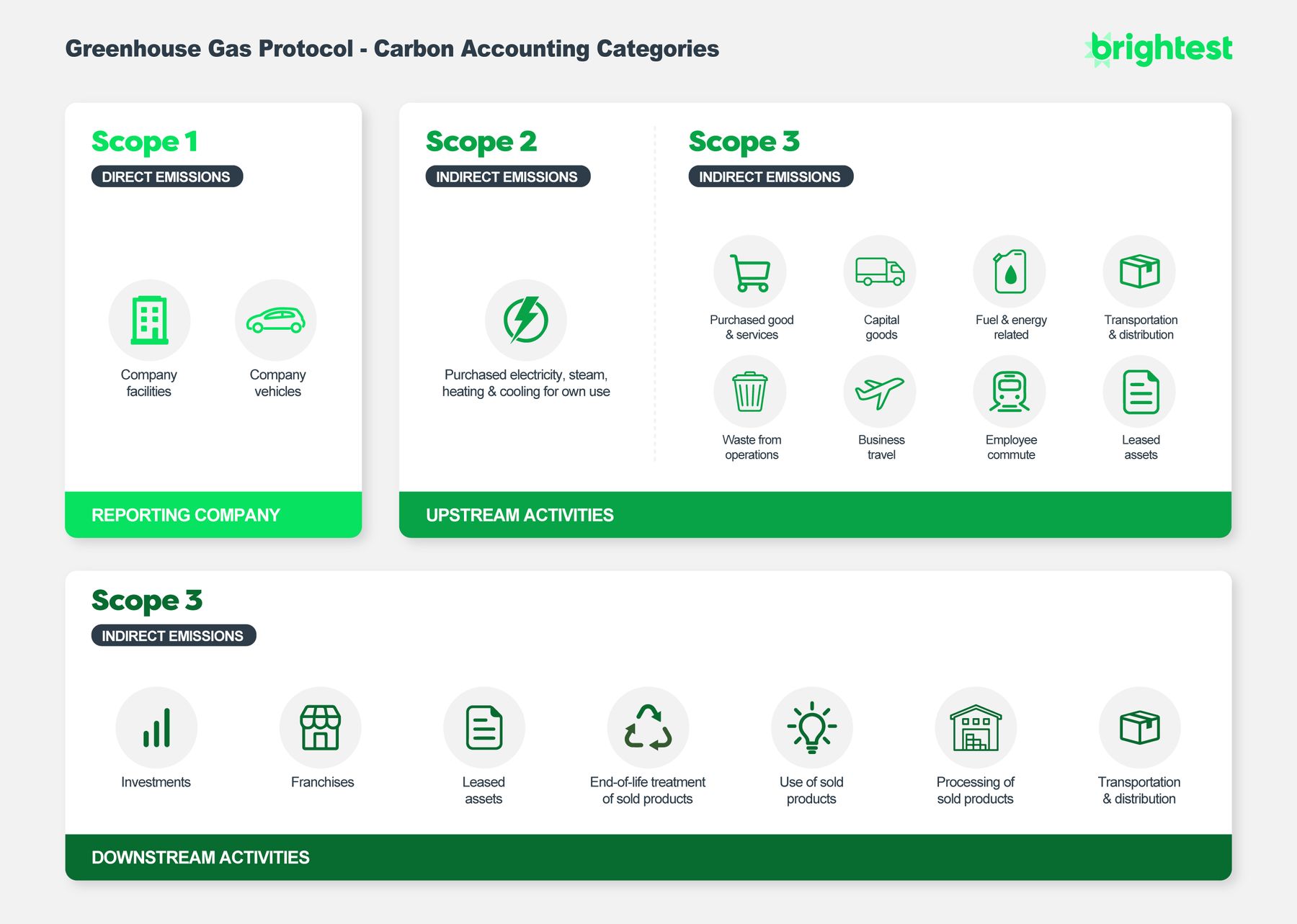
- The factory smokestack puffing away: That's Scope 1. It's literally coming out of their building.
- The fleet of delivery trucks spewing exhaust: Scope 1. They own those trucks!
- The company boiler burning natural gas to heat the office: Scope 1. The boiler is theirs, the burning happens there.
- Even, believe it or not, refrigerant leaks from their air conditioning units: Yep, Scope 1. Those pesky HFCs are potent greenhouse gases, and if their AC unit springs a leak, that's on them. Who knew your office chill could be so naughty?
Basically, if you can point to the source of the emission and say, "Yup, that's their equipment doing that," you're probably looking at Scope 1. It’s the carbon footprint equivalent of ordering a giant pizza and then complaining about the crumbs you left on the couch. Your mess, your problem.
A fun fact to drop at those parties: Did you know that the agricultural sector's Scope 1 emissions include things like methane from cow burps? Yes, those adorable, grass-munching giants are direct emitters. So next time you're enjoying a steak, remember you're indirectly supporting a whole lot of Scope 1 activity!

Scope 2 Emissions: The "Invisible Hand of the Grid" Stuff
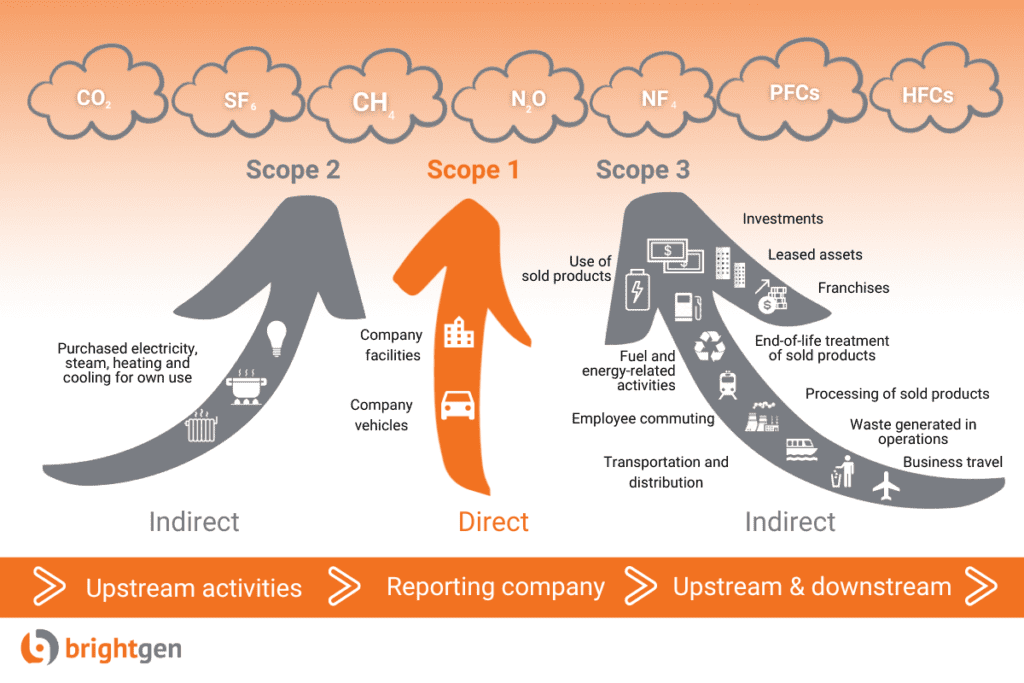
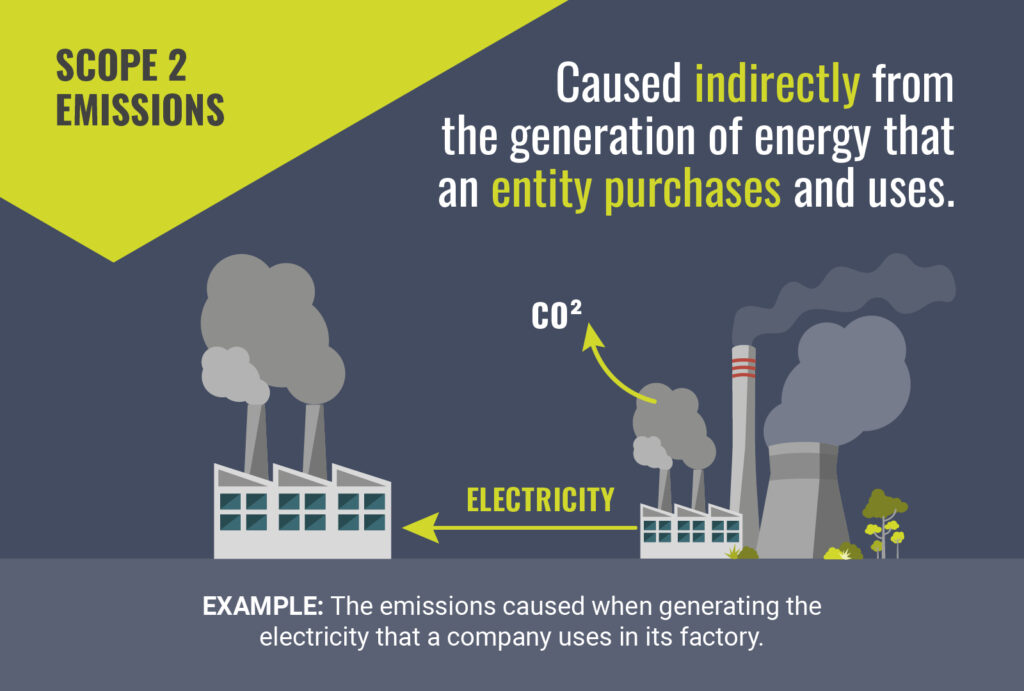
Now, Scope 2 is a little trickier, a bit more of a ninja emission. These are the indirect emissions from the generation of purchased electricity, heat, or steam. In plain English? It’s the carbon footprint of your light switch. When your company flips the light on, plugs in the computer, or cranks the AC, it's using electricity. And that electricity had to come from somewhere – a power plant, likely burning fossil fuels.
Even though the power plant might be miles away, and your company doesn't own it, the act of consuming that electricity means you're indirectly responsible for the emissions that occurred to generate it. It’s like when your friend orders a ridiculously sugary dessert, and you take a tiny bite – you didn't make it, but you're now part of the sugar problem. (But in this case, the sugar problem is climate change, so a tad more serious.)
Think about it:
- Your office building lights up at night: Scope 2.
- Your server room is humming away, running all those cat videos: Scope 2.
- The company electric car charging at the office: The car's operation might be zero emissions at the tailpipe, but the electricity it uses generates Scope 2 emissions. Plot twist!
The beauty (and complexity) of Scope 2 is that it depends entirely on where your electricity comes from. If your company is buying power from a grid powered mostly by coal, their Scope 2 emissions will be significantly higher than if they're buying from a grid heavy on renewables like solar and wind. It's why so many companies are investing in renewable energy contracts – it's a direct way to slash their Scope 2 numbers without even changing a lightbulb!
Here's a mind-bender: Most people think of driving as a huge carbon problem, right? Well, a surprising fact is that for many businesses, their Scope 2 emissions (from electricity) can often be significantly larger than their Scope 1 emissions (from company vehicles). Who knew powering your spreadsheets was such a big deal?
Why Bother Separating Them?
You might be thinking, "Why all the fuss with categories? Can't we just call it 'pollution' and be done with it?" Well, separating Scope 1 and 2 (and the even more mind-bending Scope 3, which we'll save for another coffee break!) helps companies do a few crucial things:
- Accountability: It's clear what they directly control versus what they indirectly influence.
- Targeted Action: If Scope 1 is the big problem, they focus on upgrading their boilers or electrifying their fleet. If Scope 2 is the culprit, they look for cleaner electricity sources.
- Avoiding Double Counting: Imagine if the power plant reported its Scope 1 emissions, and then every company buying its power also reported the same emissions as their Scope 2. We'd be counting everything twice! Separating keeps the numbers clean.
So there you have it! Scope 1: the direct mess you make. Scope 2: the mess created indirectly by the power you buy. It’s not rocket science; it's just about knowing who's responsible for what part of the carbon puzzle. And now, you can confidently explain it to your friends at your next gathering. Just try not to exaggerate the cow burp part too much. Or do! It's funnier that way.