
What Are Pros And Cons Of Coal
Ever flicked on a light switch, charged your phone, or binged a whole season of that new show, and thought, "Man, where does all this magical juice come from?" Well, for a long, long time, and still quite a bit today, a big chunk of that magic has come from a rather unassuming, gritty, black rock called coal. It’s like the grandpa of energy sources: been around forever, a bit dusty, and has some stories to tell.
You might not see it daily, but coal has been quietly keeping the lights on and the factories humming for generations. So, let’s peel back the curtain, shall we? We're going to dive into the nitty-gritty, the good, the bad, and the sometimes downright ugly of this ancient fuel, all without getting too bogged down in the science bits. Think of it as a casual chat over a cuppa.
The "Good Neighbor" Side of Coal (The Pros)
First up, let's talk about why coal has been such a star player for so long. It’s not all doom and gloom, I promise!
Must Read
It's Everywhere! (Almost)
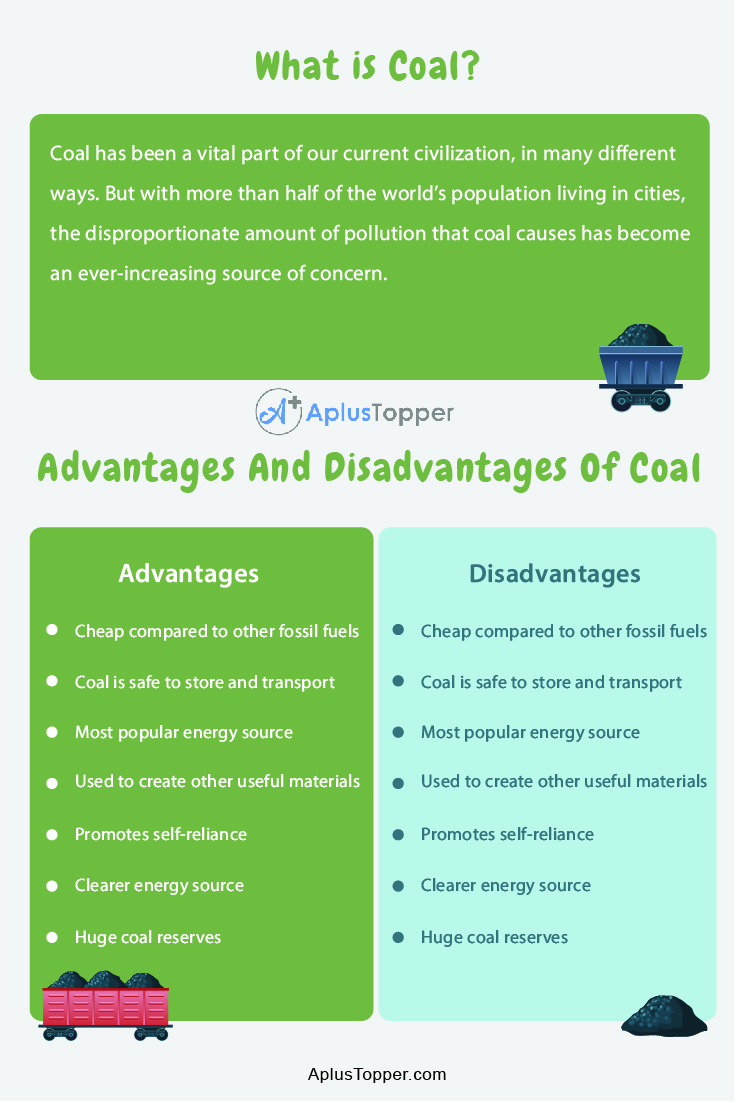
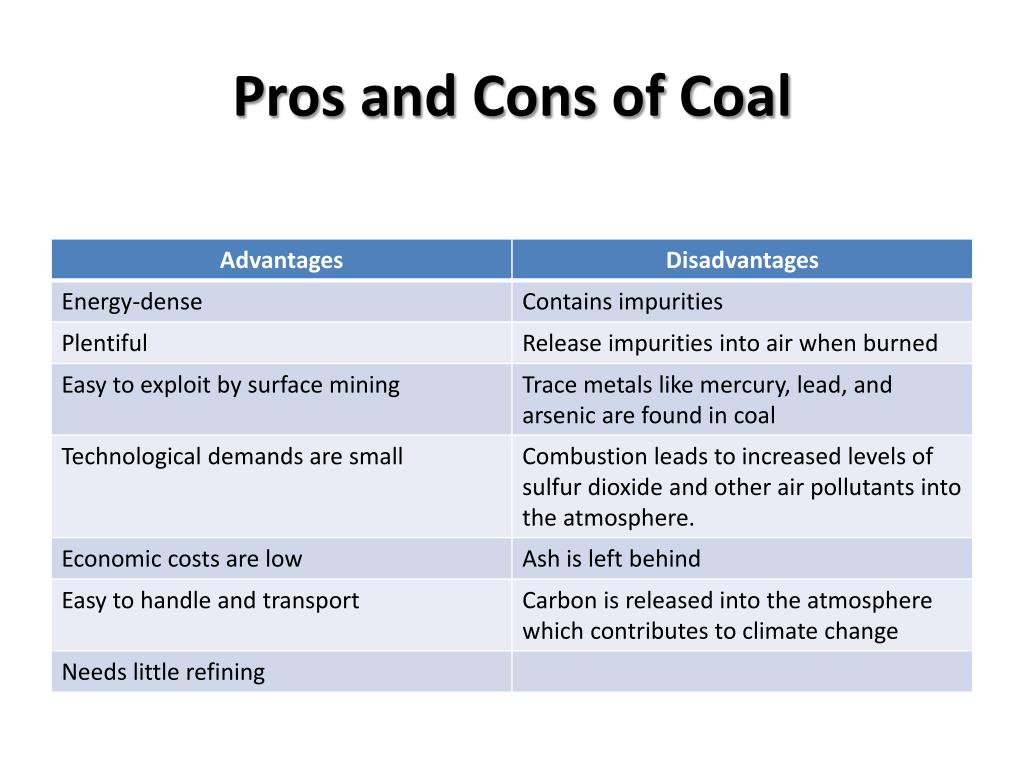
Imagine you're planning a massive party, and you need ice. Lots and lots of ice. Coal is like that one friend who always seems to have an endless supply of ice, even if it's just from their freezer. The Earth is absolutely stuffed with coal. Seriously, geologists estimate there are trillions of tons of the stuff. This means it's pretty easy to get our hands on, making it a reliable choice for countries that have it in their backyard.
Bang for Your Buck
Because there’s so much of it, coal tends to be pretty affordable. Think of it this way: if organic, single-origin, artisanal coffee beans are solar panels, then coal is like that giant tub of instant coffee from the supermarket. It might not be fancy, but it gets the job done, and it won't break the bank. For developing nations or places needing a ton of energy without a ton of cash, coal has been a go-to.

Always There, Rain or Shine
Unlike solar panels that go to sleep when the sun does, or wind turbines that take a nap when the breeze dies down, coal-fired power plants are like that super reliable friend who always shows up, no matter what. They can operate 24/7, providing a steady, predictable flow of electricity. It's the dependable workhorse you can count on, day in and day out, to keep your fridge cold and your Wi-Fi humming.
Jobs, Jobs, Jobs
From digging it out of the ground to transporting it and burning it in power plants, the coal industry creates a heck of a lot of jobs. For communities built around coal mining, it's often the economic backbone, providing livelihoods for generations of families. It’s more than just a lump of rock; it's a way of life for many.
The "Troublesome Tenant" Side of Coal (The Cons)
Alright, time to flip the coin. While coal has its perks, it also comes with a rather long list of baggage. Think of it like a beautiful antique car – looks great, but oh boy, the emissions and maintenance!
The Air Gets a Bit Grumpy
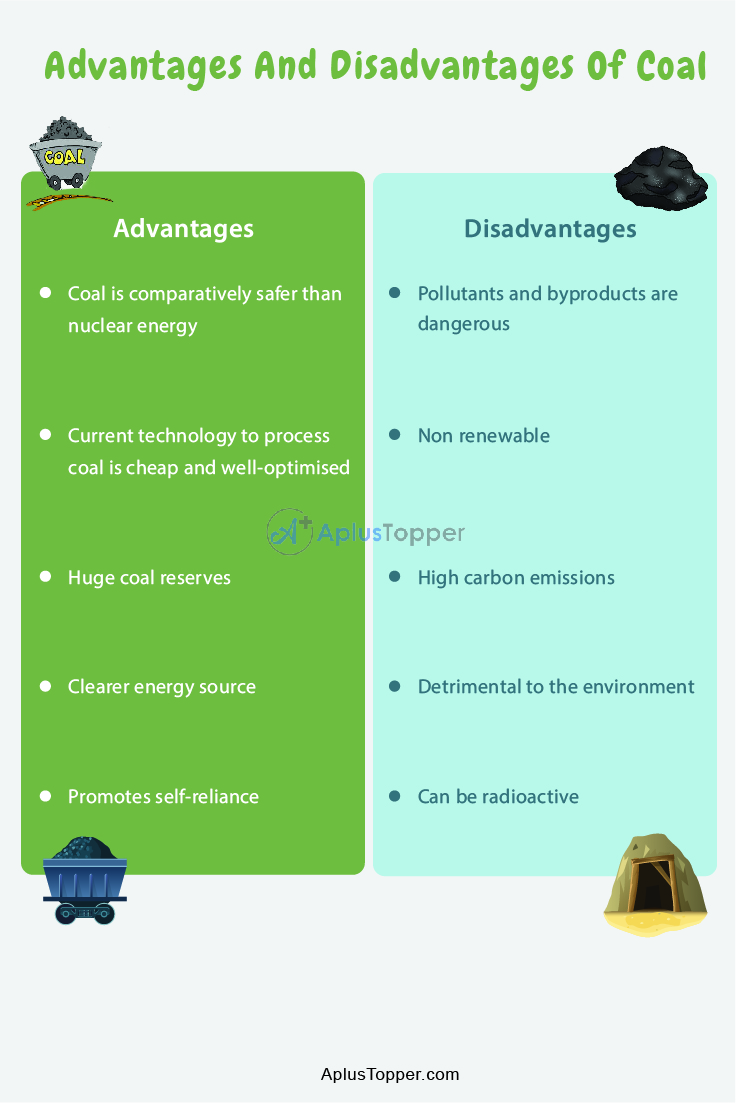
Remember that barbecue indoors analogy? Burning coal is a bit like that, but on a massive scale. It releases a cocktail of pollutants into the air – think sulfur dioxide, nitrogen oxides, and tiny little particles that can make our lungs quite unhappy. This leads to smoggy skies, acid rain, and nasty respiratory problems for folks living nearby. It’s like leaving the smoke detector constantly blaring, but for the whole city.
The Climate Change Elephant in the Room
Here's the big one, the heavy hitter, the reason coal often gets a side-eye: carbon dioxide emissions. When coal burns, it belches out CO2 like a dragon with a bad case of indigestion. This CO2 then acts like a cozy blanket in our atmosphere, trapping heat and contributing to climate change. We're talking rising temperatures, wacky weather patterns, and melting glaciers – it's like our planet is running a fever, and coal is definitely one of the main culprits.
Mining Isn't a Pretty Picture
Getting coal out of the ground isn't a gentle process. Depending on the type of mining, it can involve destroying landscapes, leveling mountains (literally!), and polluting water sources. It’s not just digging for treasure; it’s a massive industrial operation that leaves a significant environmental scar. Plus, let's not forget, coal mining can be dangerous work for the miners themselves.
It's Finite, Folks!
No matter how much coal we have, it’s still a finite resource. Once you dig it up and burn it, it’s gone forever. Unlike the sun or the wind, which keep showing up day after day, coal is a one-and-done deal. We're essentially using up ancient energy reserves that took millions of years to form in a blink of geological time.
So, What's the Verdict?
Coal, huh? It's a bit like that old, comfy, but slightly worn-out armchair. It's been there for us, providing warmth and comfort (or in this case, electricity and power). It’s cheap, it’s reliable, and it’s always been around. But it also comes with a hefty list of issues, particularly when it comes to our planet's health and our own well-being.
Understanding both its historical benefits and its significant drawbacks helps us appreciate why we've relied on it for so long, and why there's now such a global push to find cleaner, greener alternatives. It's a complicated relationship, but one that definitely impacts our everyday lives, whether we realize it or not!