What Are Microplastics And Why Are They Harmful
Ever wonder what happens to all that plastic we use? We recycle some, sure, but what about the rest? Get ready for a slightly unsettling, but super important, deep dive into the world of microplastics! It's a hot topic because, well, they're everywhere. And understanding what they are and why they're a problem is the first step to tackling this global challenge. Think of this as your crash course in plastic pollution 101!
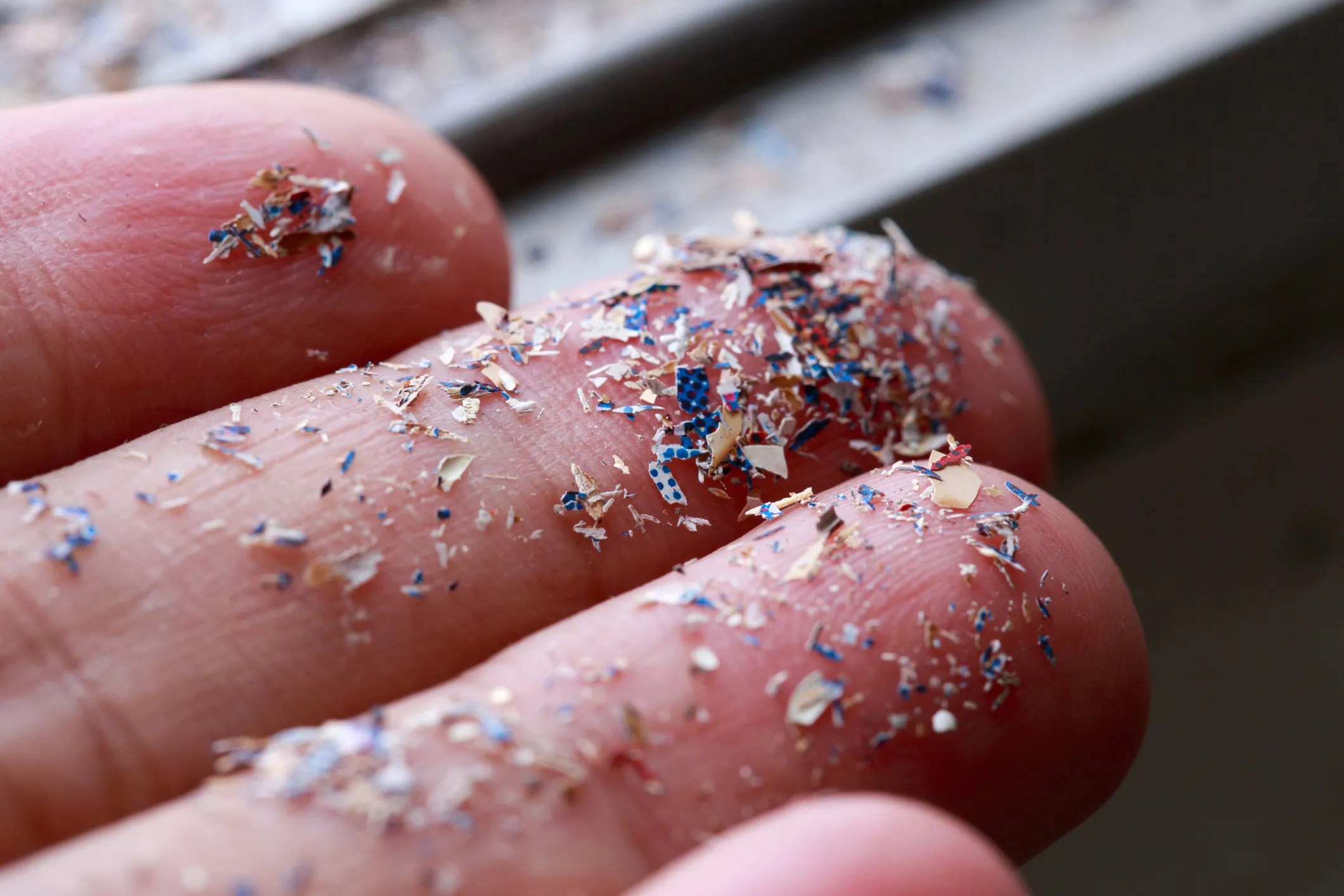
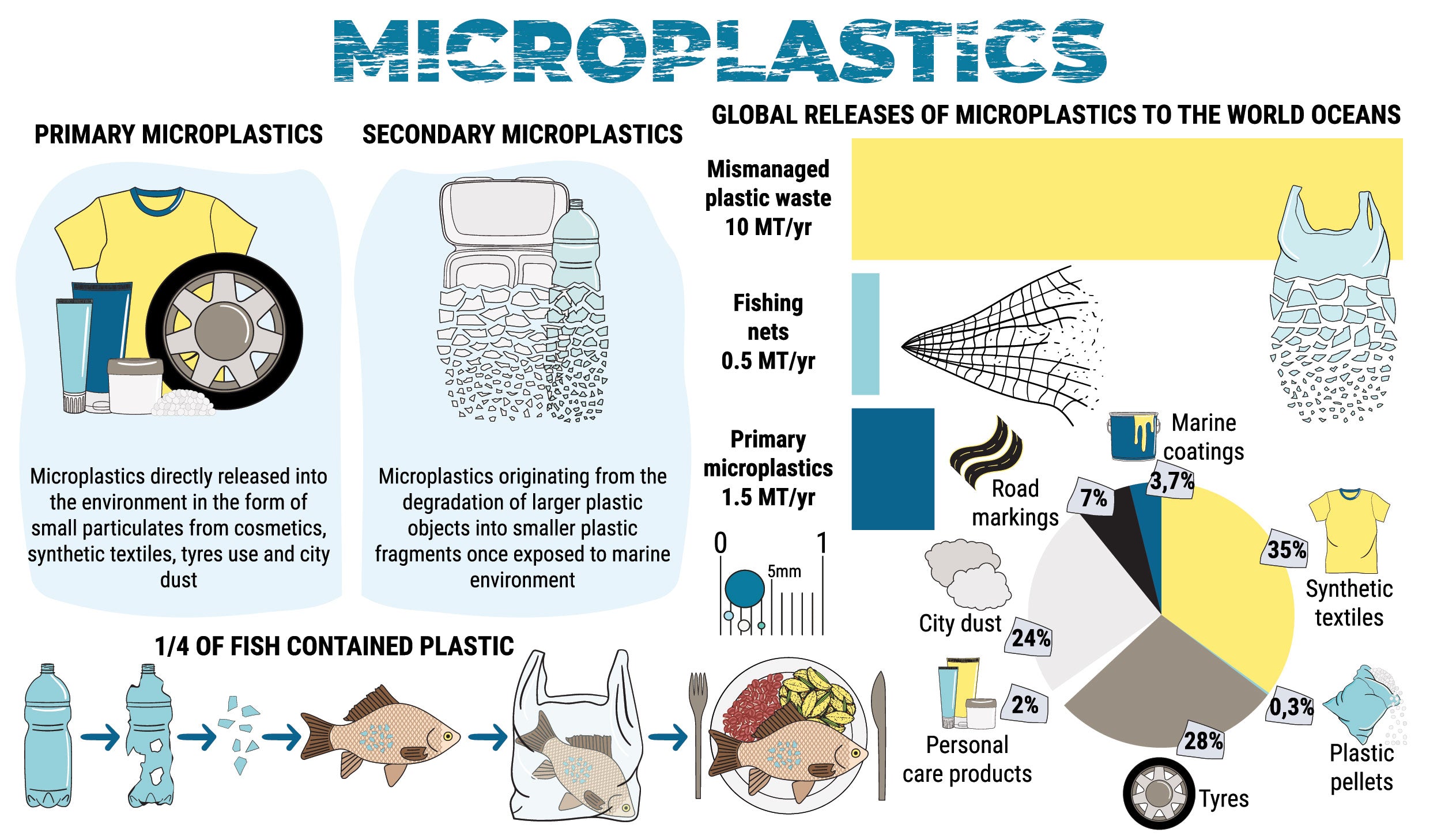
So, what exactly are these microplastics we keep hearing about? Simply put, they're tiny plastic particles, generally less than 5 millimeters in size (that's about the size of a sesame seed!). They come from two main sources. First, there are "primary" microplastics, which are intentionally manufactured that small for use in things like microbeads in some cosmetics and exfoliating scrubs (thankfully, these are becoming less common!).
But the bigger issue comes from "secondary" microplastics. These are the result of larger plastic items – plastic bags, bottles, tires, you name it – breaking down over time due to sunlight, wind, and wave action. Imagine a plastic bottle slowly crumbling into millions of microscopic pieces as it bobs around in the ocean. That's a secondary microplastic in the making! This breakdown process is called fragmentation, and it's a major contributor to the microplastic problem.
Must Read
Now for the not-so-fun part: why are they harmful? The problem boils down to two main things: persistence and bioaccumulation. Plastic, as we know, is incredibly durable. It takes hundreds, even thousands, of years to decompose (if it ever truly does). This means microplastics stick around in the environment for a very, very long time.
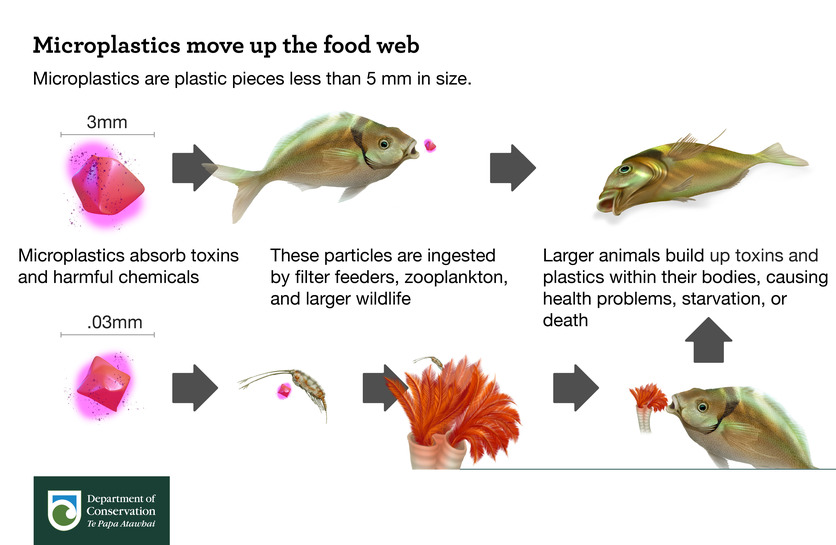
And because they're so tiny, they're easily ingested by all sorts of creatures, from plankton and shellfish to fish and birds. These tiny plastic pieces can then move up the food chain, a process called bioaccumulation. A small fish eats plankton contaminated with microplastics, then a bigger fish eats the small fish, and so on. Eventually, these plastics can even end up on our dinner plates. Researchers are still investigating the full extent of the potential health impacts on humans, but studies have shown microplastics can carry harmful chemicals and potentially cause inflammation.
It's not all doom and gloom, though! Understanding the problem is the first step towards finding solutions. By reducing our plastic consumption, properly disposing of waste, and supporting initiatives aimed at cleaning up plastic pollution, we can all make a difference. Simple choices like using reusable water bottles and shopping bags, avoiding products with microbeads, and choosing products with less plastic packaging can have a significant impact. Remember, even small changes can add up to a big difference in the fight against microplastic pollution. Every little bit helps to keep our planet, and ourselves, healthier!