What Are Fossil Fuels Made From

Ever fueled up your car, switched on a light, or even marveled at a plastic toy? Chances are, you've interacted with something powered by fossil fuels! It might sound like a dusty, academic topic, but understanding where these incredible energy sources come from is actually like embarking on a fantastic journey through time, millions of years into Earth's past. It's not just useful for understanding our world; it's genuinely fascinating to uncover the ancient secrets that power our modern lives.
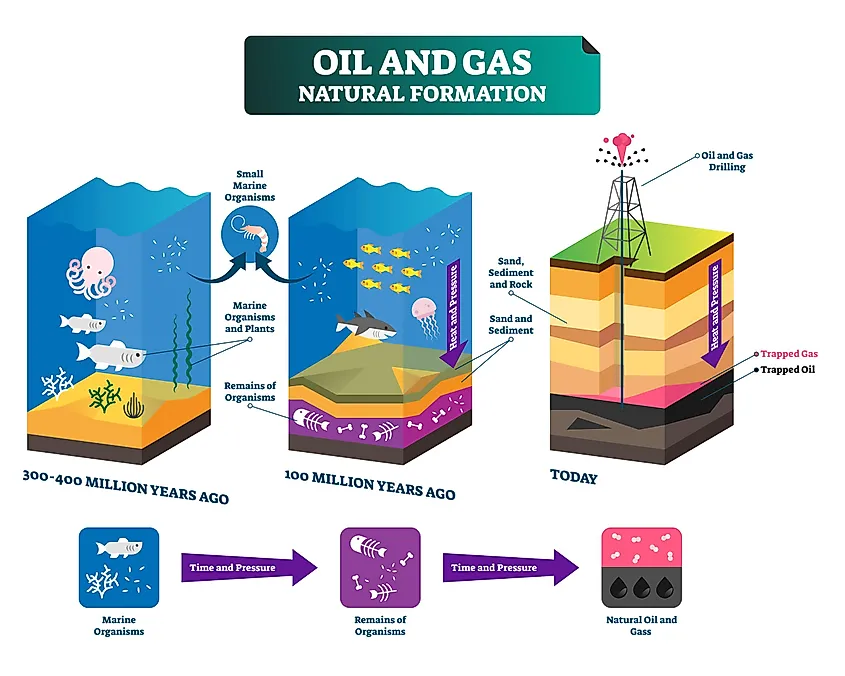
So, what exactly are these mystical "fossil fuels" made from? The clue is right there in the name: fossils! But we're not talking about dinosaur bones (though they were certainly around at the time!). Instead, imagine vast, ancient forests teeming with giant plants, or endless oceans swarming with microscopic organisms like algae and plankton. These are the superstar ingredients of fossil fuels.
Here's the magic trick: millions of years ago, when these plants and tiny sea creatures died, they didn't just decompose completely like most organic matter does today. Instead, they sank to the bottom of swamps, lakes, or oceans, forming layers upon layers of dead organic material. Over incredibly long stretches of time, more and more sediment (like mud, sand, and other debris) piled on top of these organic layers. This piling created immense pressure and, as the layers got deeper, intense heat from the Earth's core.
Must Read
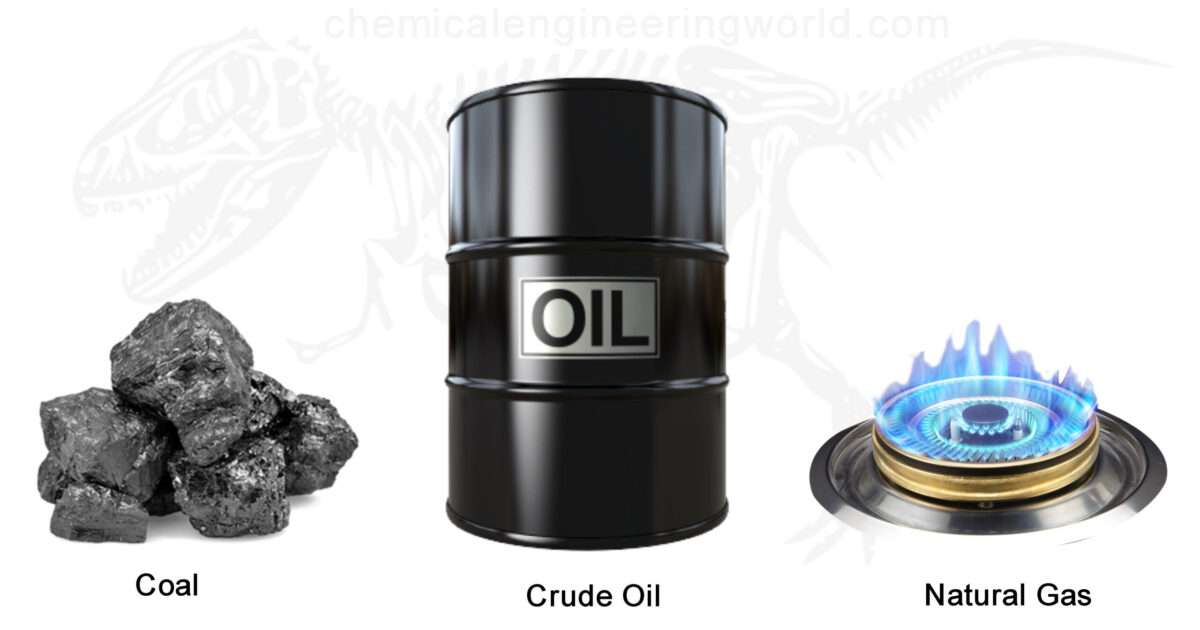
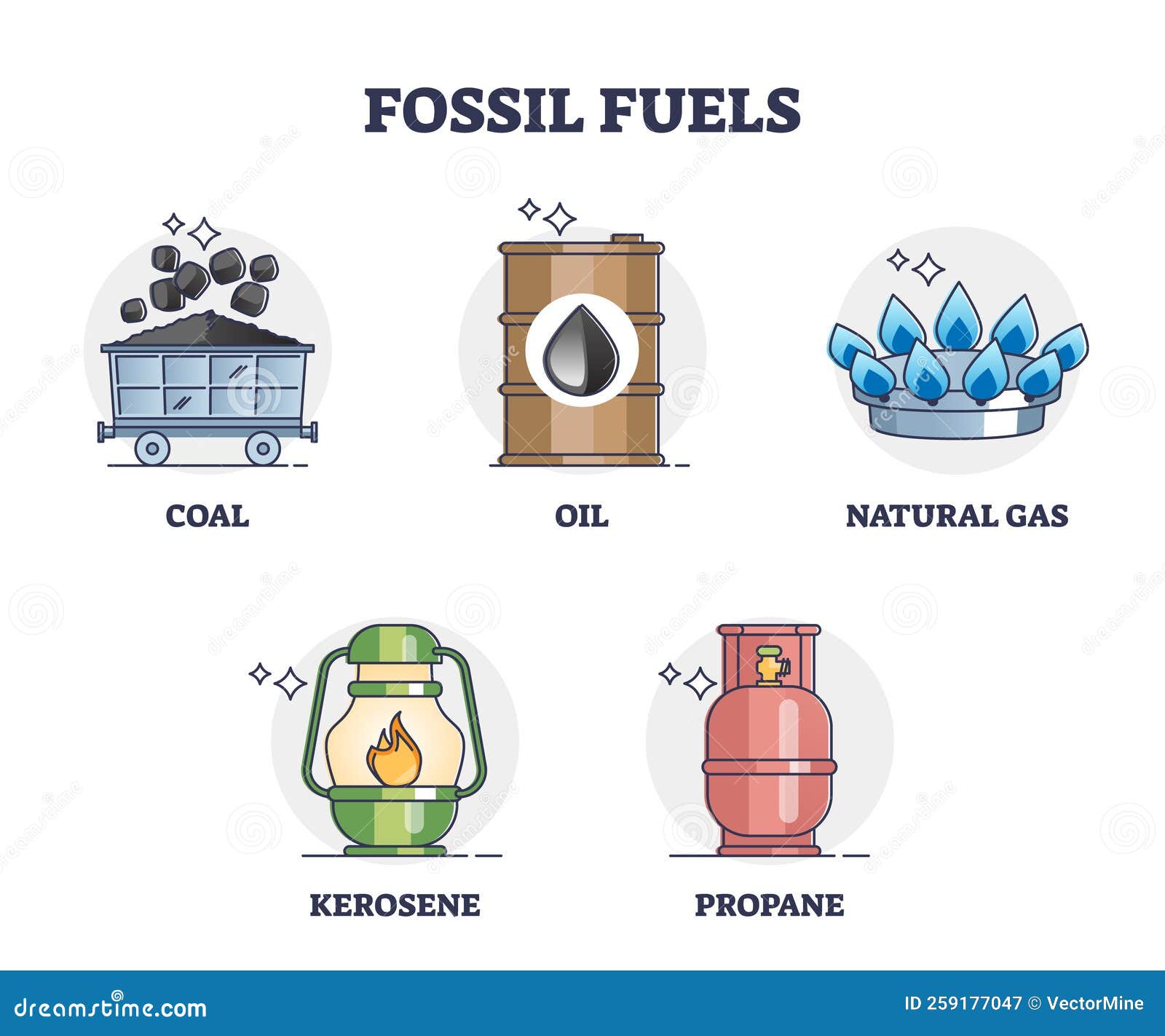
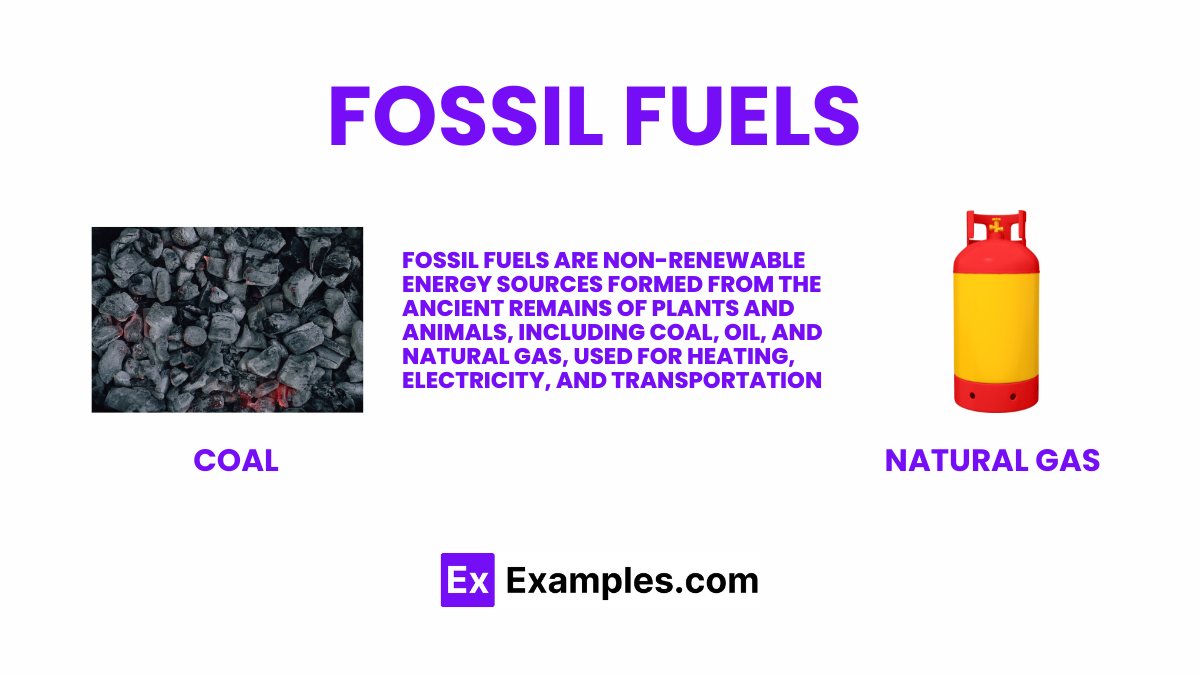
It's this dynamic duo – millions of years of intense heat and pressure – that cooked and transformed the ancient organic matter. Depending on what kind of organic matter it was, and the specific conditions it experienced, it slowly but surely became one of the three main types of fossil fuels:
- Coal: This black, rocky substance is primarily formed from the remains of ancient land plants, like those in prehistoric swamps, buried deep underground.
- Oil (Petroleum): This liquid gold mostly comes from the remains of marine organisms (like algae and plankton) that settled on the ocean floor.
- Natural Gas: Often found alongside oil, natural gas also originates from marine organisms and is essentially a lighter, gaseous byproduct of the same transformation process.
The purpose and benefit of understanding this incredible process is clear: these fossil fuels are dense energy powerhouses. For centuries, humanity has learned to extract and burn them to generate electricity, power vehicles, heat homes, and even create countless products like plastics and fertilizers. They are literally the stored solar energy of ancient times, now serving as the backbone of much of our global economy and daily convenience. It's a truly mind-boggling thought: the energy that lights up your screen right now might have started as a tiny ocean organism or a towering fern, living its life hundreds of millions of years ago!