What Are Fossil Fuels Advantages And Disadvantages
Let's face it, we all use energy. From flipping on a light switch to driving to the grocery store, we're constantly relying on power. And a big chunk of that power still comes from fossil fuels. But what exactly are these fuels, and are they really all that bad? Understanding the pros and cons of fossil fuels is important for everyone, whether you're just curious about the world around you, trying to make more informed decisions as a family, or even if you're a hobbyist interested in sustainable living. So, let's dive in and unravel this important topic in a way that's easy to understand!
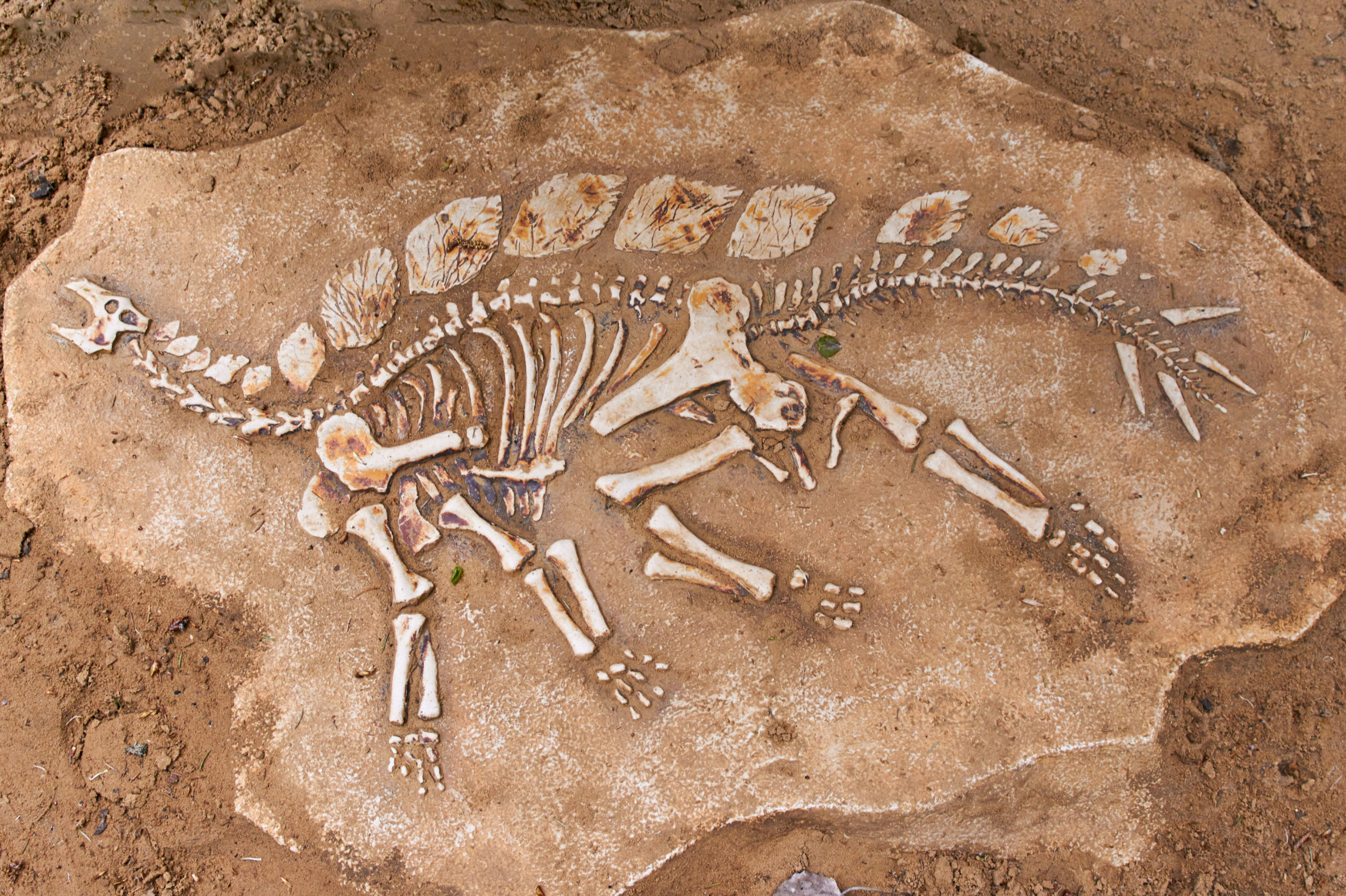
For beginners, like curious kids or anyone new to the topic, fossil fuels are basically energy sources formed from the buried remains of ancient plants and animals. Think prehistoric jungles and oceans! Over millions of years, heat and pressure transformed this organic material into fuels like coal, oil, and natural gas. The advantage is that these fuels are relatively easy (and currently, relatively cheap) to extract and turn into energy we can use. We burn them to power our homes, factories, and vehicles. Imagine a world without readily available electricity or cars – fossil fuels have undeniably shaped our modern world.
For families, considering the impact of fossil fuels becomes a discussion about our future. A major disadvantage of using fossil fuels is their environmental impact. Burning them releases greenhouse gases, like carbon dioxide, into the atmosphere, contributing to climate change. This can lead to rising sea levels, extreme weather events, and other serious problems. For example, consider the debate around gasoline-powered cars versus electric vehicles. While gas cars offer convenience and range, electric cars, powered by increasingly renewable energy sources, reduce our reliance on fossil fuels and decrease air pollution. It's about balancing convenience with responsibility.
Must Read
If you're a hobbyist interested in sustainability, understanding the nuances of fossil fuel use is crucial. There are variations in how cleanly (or not so cleanly) different fossil fuels burn. Natural gas, for instance, generally produces less pollution than coal. However, even "cleaner" fossil fuels still contribute to greenhouse gas emissions. Think about hobbies like gardening or woodworking. Do you power your tools with electricity from a renewable source? Are you using sustainably sourced materials? These choices, big or small, can make a difference. Furthermore, exploring alternative energy options such as solar panels for your shed, or building a composting system to reduce waste are very practical and powerful choices.

So, how can you get started learning more and making a positive impact? First, educate yourself. There are tons of great websites and documentaries about climate change and energy. Second, make small changes in your daily life. Reduce your energy consumption by turning off lights when you leave a room, using energy-efficient appliances, and walking or biking instead of driving when possible. Third, support businesses and policies that promote renewable energy. Every action, no matter how small, adds up.
Exploring the world of fossil fuels – its advantages and disadvantages – doesn’t have to be overwhelming. It’s about understanding the role these fuels play in our lives and finding ways to transition towards a more sustainable future. By being informed and making conscious choices, we can all contribute to a healthier planet. Learning about these fuels and ways to curb their effects allows us to be more conscious of our planet.