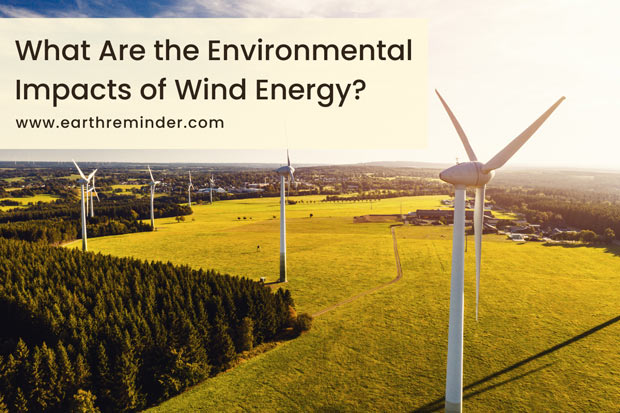
What Are Environmental Impacts Of Wind Energy

Ever look up at a giant wind turbine and think, "Wow, that's cool!"? Wind energy is definitely having a moment, and for good reason. It's a way to make electricity without burning fossil fuels, which is a big deal for our planet. But like everything else, it's not perfect. Let's take a peek at the environmental impacts of wind energy – the good, the not-so-good, and everything in between!
Why should you care? Well, for beginners, understanding where your electricity comes from is just plain interesting! Families can use this info to chat about responsible energy choices. And for those of you who are hobbyists – maybe you're into DIY energy projects or just love learning about technology – knowing the pros and cons of wind energy is super useful. Ultimately, understanding these impacts helps us make informed decisions about our future.
The Good Stuff: The biggest benefit is that wind energy is a renewable resource. That means we're not using up a finite supply, like oil or coal. When a wind turbine spins, it's making electricity without releasing greenhouse gases that contribute to climate change. This is a huge win for the environment! Wind farms also use relatively little land compared to, say, coal mines or oil drilling operations. Once the turbines are up, a lot of the surrounding land can still be used for farming or grazing.
Must Read
The Not-So-Good Stuff: One of the main concerns is the impact on wildlife, especially birds and bats. Turbines can pose a collision risk to these animals. This is something scientists and engineers are constantly working to improve, by studying bird migration patterns and developing turbine designs that are less harmful. Another impact is visual pollution. Some people find wind farms to be unattractive and disruptive to the landscape. There's also noise pollution; turbines do make a whooshing sound, though it's often not that noticeable from a distance.
Variations and Examples: Wind energy isn't just about giant turbines in open fields. Offshore wind farms, located in the ocean, are becoming increasingly popular. They tend to be more efficient because the wind is stronger and more consistent over water. There are also smaller, residential-sized wind turbines that homeowners can install to generate their own electricity. Imagine powering your home with the wind!

Getting Started: Want to learn more? Here are a few simple things you can do:
- Do some online research: There are tons of resources available from universities, government agencies, and environmental organizations.
- Visit a wind farm (if possible): Many wind farms offer tours or have visitor centers where you can learn about the technology.
- Talk to your electricity provider: See if they offer a "green energy" option that includes wind power.
- Consider a home energy audit: Reducing your overall energy consumption will lessen your reliance on any type of power source.
Wind energy, like any energy source, has its environmental impacts. However, when compared to fossil fuels, it's a much cleaner and more sustainable option. By understanding the benefits and drawbacks, we can make informed choices about how we power our lives and work towards a healthier planet. The future of energy is constantly evolving, and being aware of options like wind energy makes participating in building a more sustainable future that much easier and enjoyable!