
What Are Disadvantages Of Hydroelectric Power

Okay, so picture this: I'm on vacation, right? Gorgeous mountain scenery, crystal-clear river… and then BAM! Massive concrete wall. Yeah, a hydroelectric dam. Pretty impressive, I guess, but it kind of ruined the 'natural' vibe I was going for. It got me thinking – for all the talk about clean energy, what are the actual downsides of these things?
Hydroelectric power, or hydropower, is often touted as a renewable and clean energy source. And it is in many ways! But let's not pretend it's all sunshine and rainbows (or should I say, sunshine and free-flowing rivers?). It comes with a whole host of environmental and social disadvantages that are often glossed over. Ready to dive in? Let’s get started!
Environmental Impact: Mother Nature Cries (Sometimes Literally)
The biggest and most obvious issue is the impact on river ecosystems. Building a dam completely changes the natural flow of a river. Think about it – you're creating a massive lake where there used to be a flowing waterway. This can have devastating consequences for aquatic life.
Must Read
Fish migration, for example, becomes a nightmare. Salmon, crucial to many ecosystems and local economies, can't swim upstream to spawn. Dam builders often try to mitigate this with fish ladders, but let's be honest, they're not always effective. Imagine trying to climb a set of stairs while swimming! It's tough work for anyone, but especially for fish.
Then there's the sediment. Rivers naturally carry sediment downstream, which is vital for nourishing floodplains and coastal ecosystems. Dams trap this sediment, starving downstream areas of essential nutrients. This can lead to coastal erosion and damage to fisheries. Think of it like cutting off the food supply for an entire community. Not cool, right?
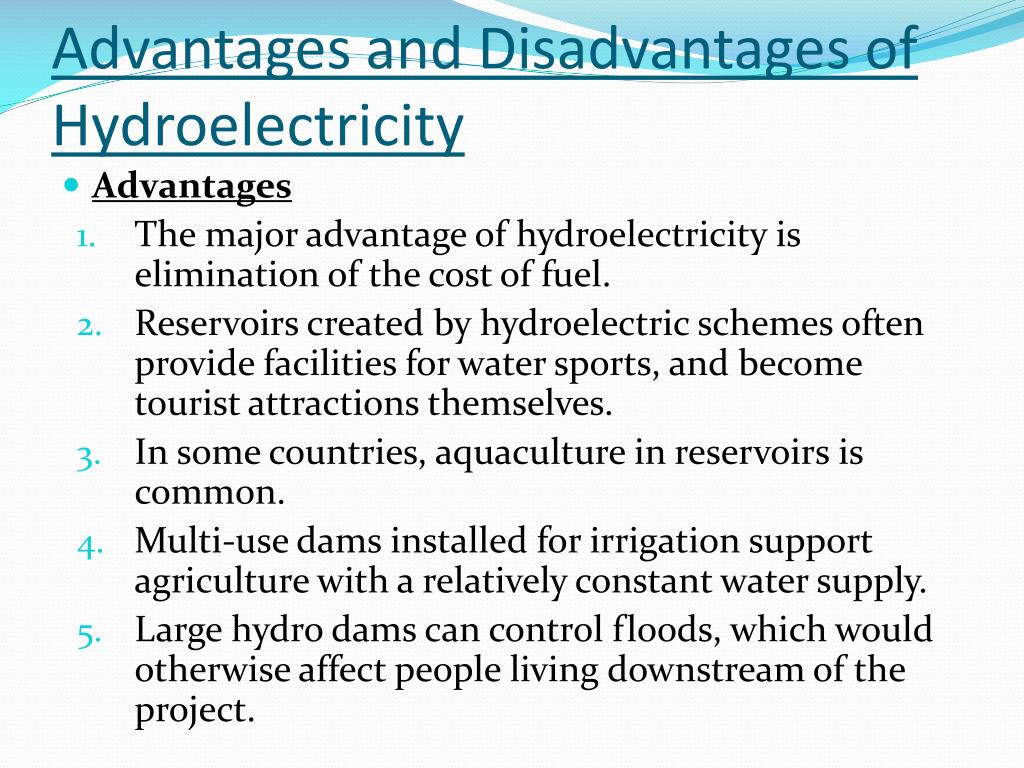
Oh, and let’s not forget about methane emissions. Seriously! When you flood a large area of land, all that organic matter (trees, plants, etc.) decomposes underwater. This decomposition releases methane, a potent greenhouse gas, which ironically, can contribute to global warming, defeating the purpose of using "clean" energy. Ironic, isn't it? Climate change caused by something meant to solve climate change.
Social and Economic Displacement: Uprooting Communities
Building a dam often requires flooding entire valleys, which means displacing communities. People lose their homes, their land, their livelihoods, and sometimes even their cultural heritage. Can you imagine having to leave your ancestral home because some corporation wants to build a dam? It’s a heartbreaking reality for many communities around the world.
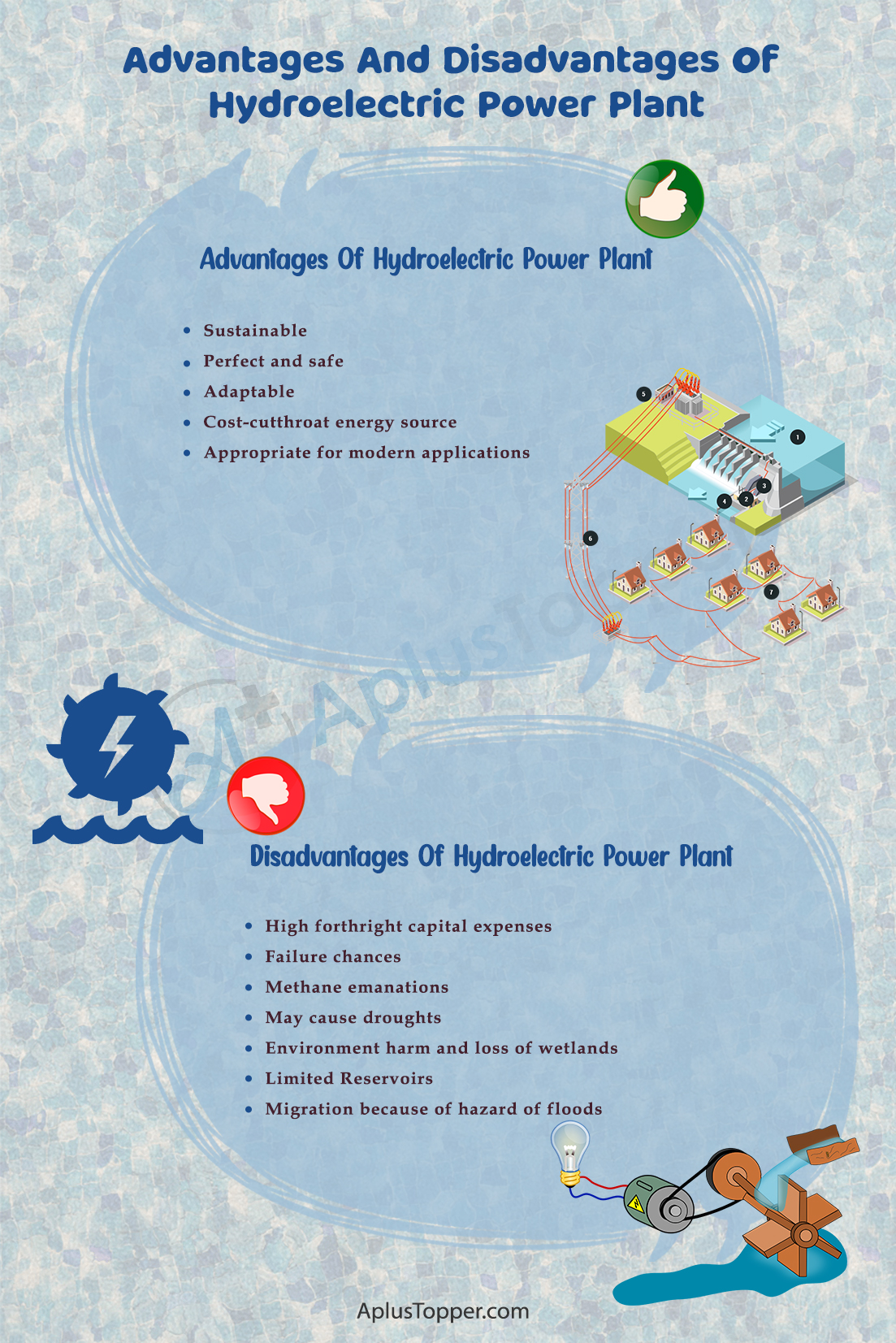
Relocation efforts are often inadequate, and displaced people may not receive fair compensation or access to essential services. Even if they do, the social and emotional toll of losing your home and community can be devastating. We're talking about the destruction of entire social structures here. It's more than just moving houses; it's tearing apart the fabric of people's lives.
High Upfront Costs and Long Construction Times: Patience is a Virtue (But Money Talks)
Hydroelectric projects are incredibly expensive to build. We're talking billions of dollars! And they take a long time – often years, even decades – to complete. This means a huge investment upfront with no immediate return. Investors might be more inclined to put their money elsewhere.

And let’s face it, the cost can easily balloon! Unexpected delays, environmental regulations, and political hurdles can all add to the final price tag. This financial burden can be a major barrier to the development of new hydroelectric projects. It makes you wonder if all that investment is worth it, considering the other factors.
Vulnerability to Climate Change: A Bit of a Paradox
Here's another irony: Hydroelectric power relies on a consistent supply of water. But with climate change causing more frequent and severe droughts, water availability is becoming increasingly unpredictable. What happens to a hydroelectric dam when there's no water? It becomes a very expensive, very useless concrete structure.

Reduced rainfall and altered snowmelt patterns can significantly decrease power generation, making hydroelectric dams less reliable in the long run. So, a technology designed to combat climate change is actually vulnerable to it. It's like fighting fire with fire, only less effective and way more complicated.
So, What's the Verdict?
Hydroelectric power definitely has its advantages. It's a renewable energy source that can provide a significant amount of electricity. But it's crucial to acknowledge and address the significant environmental and social disadvantages associated with it. A balanced approach is needed – one that considers the needs of both humans and the environment. Maybe mini-hydro projects are an alternative?
Ultimately, the decision of whether or not to build a hydroelectric dam requires careful consideration of all the factors involved. We need to weigh the benefits of clean energy against the potential costs to the environment and local communities. It’s a complex issue with no easy answers. What do you think?