
What Are Different Types Of Coal

Hey there, ever wonder why some coal looks different from others, or why we even have different types? It’s not just a case of "one lump or two," trust me! Think of it like a really long, slow-motion cooking show, but instead of delicious cakes, we're baking rocks. And just like baking, you get different results depending on the ingredients and how long it’s been in the oven.
So, let's dig in (pun totally intended!) and explore the fascinating family tree of coal, from its squishy beginnings to its super hard final form. It's a journey that takes millions of years, so grab a snack – we've got some time.
Peat: The Baby Steps
First up, meet Peat! This is the baby of the coal family, barely out of its swampy crib. It’s not really "coal" yet, more like a really compacted, partially decayed plant matter. Imagine all the leaves, twigs, and moss from a bog squished together over thousands of years.
Must Read
It’s super spongy, light brown, and still feels a bit like dirt. It burns, sure, but it’s not very efficient and produces a lot of smoke. Think of it as the raw dough before it even hits the oven. Useful for some things, especially in gardening, but not what you’d want to power a city.
Lignite: The Teenager
Next on our geological timeline, we have Lignite. This is Peat that's been under a bit more pressure and heat, getting a little more serious. It’s like the awkward teenager of the coal world – not quite an adult, still a bit immature.
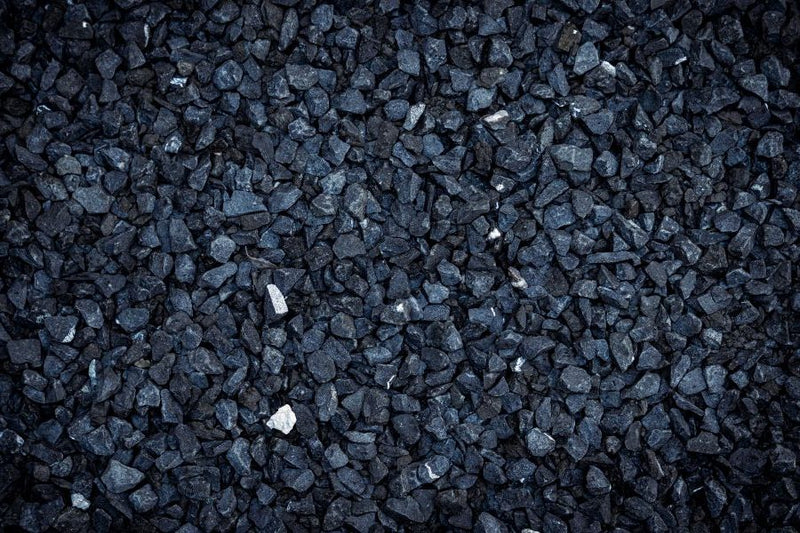
Lignite is usually brown or dark brown, a bit harder than peat, and you might even see some plant structures still visible. It’s also known as "brown coal." It burns a bit better than peat, but still has high moisture content and doesn't pack a huge energetic punch. It's often used in power plants very close to where it's mined.
Sub-bituminous: The Young Adult
Alright, moving along! Our coal is growing up and getting a bit more sophisticated. Enter Sub-bituminous coal. This is Lignite that's been under even more pressure and heat. It's darker than lignite, usually dark brown to black, and a lot harder.
It burns more efficiently than its younger siblings, has lower moisture, and produces more heat. It’s a pretty popular choice for electricity generation, especially in places like the Western U.S. Think of it as the reliable workhorse – not flashy, but gets the job done consistently.

Bituminous: The Workhorse
Now we’re talking! This is where most people picture "coal" when they hear the word. Meet Bituminous coal, the true workhorse and the most abundant type of coal in the world. This coal has been through a lot of heat and pressure, getting dense and dark – usually shiny black.
It's sometimes called "soft coal," but don't let that fool you; it's still pretty darn hard! It has a high carbon content and gives off a lot of heat when burned, making it incredibly popular for power generation (hello, electricity!) and even in industry for making things like steel (it turns into something called coke for that).

If coal had a LinkedIn profile, Bituminous would have "Highly experienced, proven track record, excellent heat output." It's definitely the star player on the team, powering homes and industries globally.
Anthracite: The Elder Statesman
And finally, for the grand finale, we have the undisputed champion, the supermodel, the wise old grandparent of the coal world: Anthracite! This coal has been through the absolute wringer – immense heat and pressure over millions and millions of years.
What you get is a super dense, super hard, and super shiny black rock. It almost looks like a polished stone or even obsidian. It burns with a beautiful, clean, blue flame, producing very little smoke and ash. This is because it has the highest carbon content and the lowest moisture and impurities.
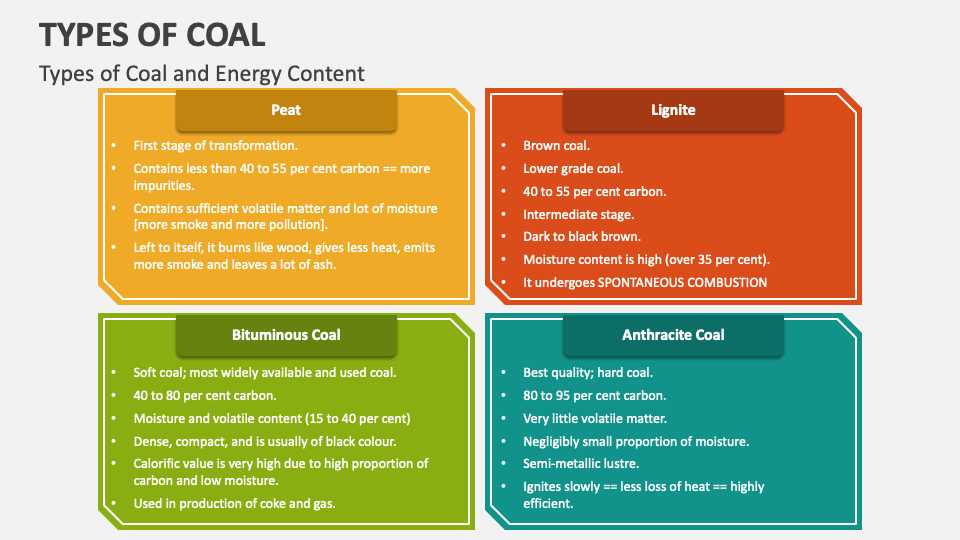
Anthracite is rare, often called "hard coal," and is the Rolls-Royce of the coal family. It provides the most heat per unit and burns the cleanest, making it highly prized for residential heating where available, and for some specialized industrial uses.
From Swamp to Sparkle!
So there you have it! From spongy peat born in an ancient swamp, slowly transforming under the Earth's watchful eye, all the way to the dense, shimmering beauty of anthracite. Each type tells a story of millions of years of geological processes, turning humble plant matter into something truly powerful.
It's a fantastic reminder of how nature continually transforms and recycles, creating incredible resources right beneath our feet. And while we're moving towards greener energy, understanding these natural marvels gives us a greater appreciation for the journey of energy itself. So next time you hear about coal, remember its incredible family tree. Pretty cool, right? Keep shining!